
PRP for Skin Rejuvenation in Abu Dhabi
PRP skin rejuvenation uses a concentration of a patient’s own platelets to deliver growth factors and signaling molecules to the skin. The goal is not to “fill” the face, but to support biological remodeling processes involving fibroblasts, collagen, elastin, extracellular matrix, blood vessels and epidermal turnover. PRF is a related autologous preparation with a fibrin-based scaffold. Evidence is promising, but protocols are not yet standardized.
Platelet-rich plasma (PRP) and platelet-rich fibrin (PRF) are regenerative approaches used in aesthetic dermatology to support skin quality rather than simply add volume. The supplied chapter frames facial aging as a layered process: the epidermis, dermis, vascular network, immune environment, fat and deeper structures do not age in the same way. A regenerative strategy therefore aims to improve cell function and communication across these layers rather than treat a single visible sign in isolation.

What Are PRP and PRF?
PRP and PRF are autologous blood-derived preparations. After blood is collected and centrifuged, platelet-rich fractions can be isolated and used for regenerative treatment. Platelets release a complex mixture of growth factors, cytokines and adhesive proteins involved in cell signaling, tissue repair, angiogenesis and extracellular-matrix remodeling.
The source chapter emphasizes that PRP/PRF products are not interchangeable: preparation method, centrifugation, leukocyte content, platelet concentration, activation and injected volume can all change the biological product. This variability is one reason results and published protocols are not uniform.

Key Growth Factors in PRP and Their Skin-Rejuvenation Roles
The chapter highlights several platelet-derived mediators relevant to skin regeneration. The table below converts the source table into a web-friendly summary.
| Growth factor / component | Main role described in the source |
|---|---|
| EGF | Cell proliferation; granulation tissue; re-epithelialization; tissue tensile strength |
| FGF | Cell proliferation; stem-cell differentiation; angiogenesis; collagen production |
| PDGF-AA / BB / AB | Cell proliferation and chemotaxis; angiogenesis; follicular stem-cell signaling; neovascularization |
| TGF-β1 / β2 | Angiogenesis; collagen production; re-epithelialization; protease and extracellular-matrix regulation |
| VEGF | Angiogenesis and vascular support |
| IGF | Broad regulator of normal cellular physiology |
| Pro- and anti-inflammatory cytokines | Modulation of fibroblast activity, collagen synthesis and local inflammatory signaling |
| Fibrin / fibronectin / vitronectin / thrombin | Biological scaffold and adhesive functions that support tissue signaling and repair |
How PRP May Support Skin Rejuvenation by Layer
Epidermis and keratinocytes
Growth-factor signaling may support basal keratinocyte activity, epidermal turnover and barrier quality. The source also describes stimulation of glycosaminoglycans and structural proteins involved in repair.
Dermis, fibroblasts, collagen and elastin
PRP/PRF biostimulation is described as activating fibroblast anabolic activity and supporting collagen types I, III and IV, elastin, extracellular matrix and hyaluronic acid. This is central to the rationale for improving fine lines, texture and dermal quality.
Vascular support
VEGF and other platelet mediators can promote neovascularization and improved microvascular signaling, which may contribute to tissue recovery and remodeling.
Inflammatory and immune signaling
The chapter describes a complex immunomodulatory role for platelet products. Importantly, the exact role of leukocytes in PRF and leukocyte-rich PRP remains incompletely defined, and the ideal preparation may depend on the tissue environment.
Pigmentation and melanocyte signaling
Evidence for PRP as an isolated treatment for pigmentation is limited. The source discusses a small body of evidence in melasma and possible anti-inflammatory or signaling effects, but this should be considered adjunctive rather than a first-line pigmentation strategy.
PRP vs PRF : Why Treatment Selection Matters
A useful concept in the source is the distinction between “challenged” and “non-challenged” skin. Chronically sun-damaged, inflamed, scarred or melasma-prone skin may behave differently from younger or less damaged skin. The authors therefore describe different platelet preparations and session ranges depending on the tissue environment. This reinforces the need for individualized assessment rather than a one-size-fits-all protocol.

Common PRP / PRF Skin-Rejuvenation Approaches
1. PRP / PRF Mesotherapy for Facial Skin Quality
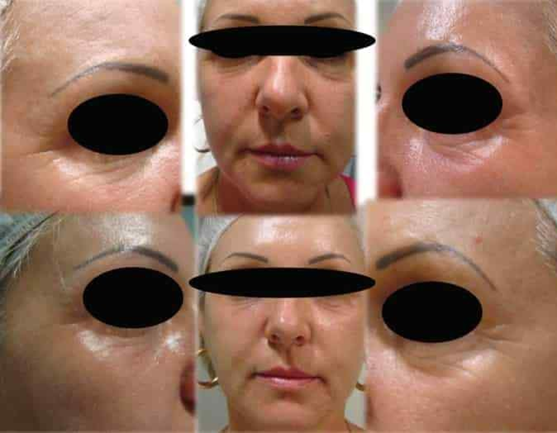
Intradermal or superficial injection techniques are used to distribute small amounts of platelet product across selected areas. The source highlights preventive and corrective use in small facial zones such as the lower eyelids and periorbital region, as well as lip rejuvenation and selected stretch marks. Published evidence cited in the chapter supports biological effects beyond the mechanical effect of needling alone, although technique and dosing differ between studies.
2. Microneedling + PRP / PRF
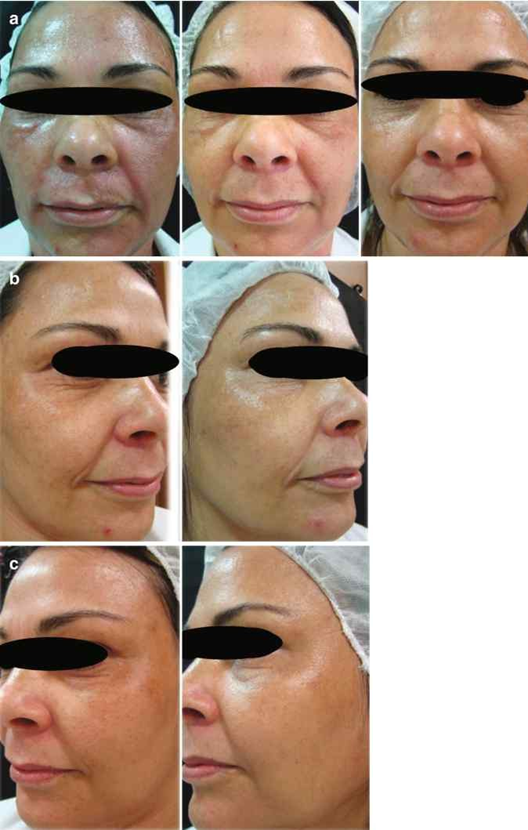
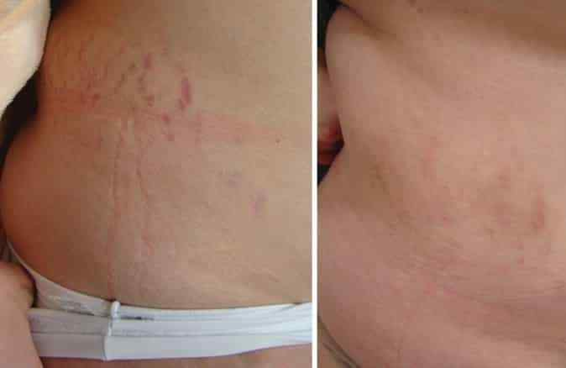
Microneedling creates controlled microchannels and a wound-healing response. PRP or PRF can be used in the same session as an injected and/or topical regenerative adjunct. The chapter notes that published findings are not completely uniform, but several studies and the authors’ clinical experience favor combined treatment for superficial wrinkles, photoaged skin, selected pigmentation concerns and some stretch marks.
3.PRP with Hyaluronic-Acid Skin Boosters
The chapter discusses PRP used alongside non-cross-linked or low-cross-linked hyaluronic-acid skin boosters. The intended mechanisms are complementary: HA provides hydration and dermal support, while PRP provides autologous biological signaling. The authors describe performing the procedures in the same session and treatment area without necessarily mixing the products together.
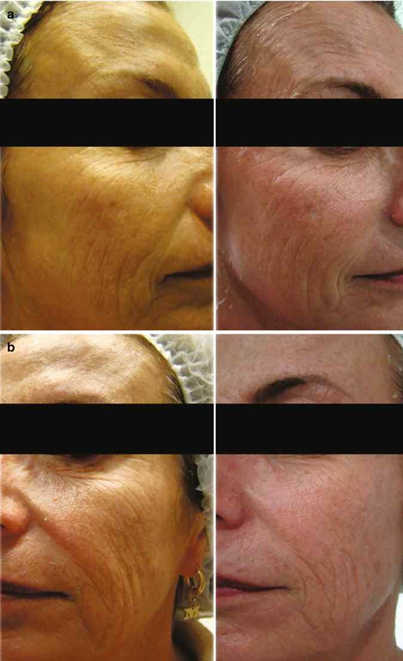
4. PRP / PRF After Fractional CO₂ Laser, IPL or Long-Pulse YAG
Energy-based treatments deliberately create controlled tissue injury. In the source chapter, PRP/PRF is positioned as an adjunct after laser or light procedures to support recovery and potentially reduce the duration of erythema or other expected post-procedure effects. Evidence cited in the chapter includes fractional CO₂ laser combinations, but protocols differ and should be tailored to the device, indication and skin type.
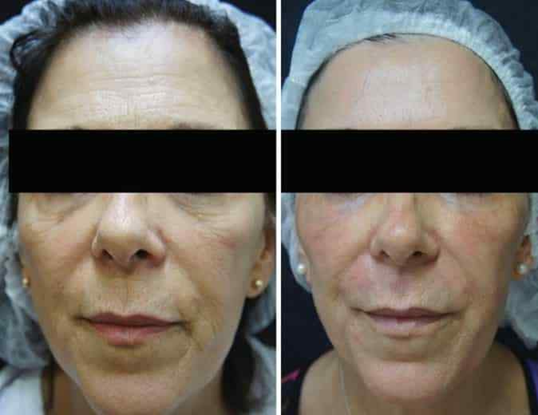
What Concerns Can PRP Skin Rejuvenation Target?
- Fine lines and early textural aging
- Photoaged or sun-damaged skin as part of a broader rejuvenation plan
- Periorbital skin quality and selected dark-circle concerns
- Dullness, reduced elasticity and uneven skin texture
- Recovery support after selected laser or microneedling procedures
- Selected stretch marks and scar-related texture, usually as combination therapy
- Melasma-prone or inflammatory skin only in carefully selected adjunctive protocols, because evidence is limited and post-inflammatory pigmentation is possible
Who May Not Be a Suitable Candidate?
Safety summary from the source
The chapter lists local infection, coagulation disorders and thrombocytopenia as absolute contraindications. Relative considerations include recent NSAID use, recent steroid exposure, smoking, some cancer histories and significant anemia. Individual assessment and current clinical guidance should determine eligibility.
Side Effects and Limitations
Expected short-term effects can include swelling, tenderness, redness and a burning sensation during injection. The source notes a published report of hyperpigmentation after PRP injection and advises particular caution in melasma-prone patients and darker skin types susceptible to post-inflammatory hyperpigmentation.
The most important scientific limitation is protocol heterogeneity. Published studies use different PRP fractions, centrifugation methods, activation strategies, volumes, injection depths and combination treatments. For that reason, treatment should be presented as individualized regenerative therapy rather than a standardized “one formula” procedure.
PRP, PRF and Skin Boosters : What Is the Difference?
| Treatment | Main material | Primary role | Typical use in a combined plan |
|---|---|---|---|
| PRP | Concentrated autologous platelets in plasma | Growth-factor / cytokine signaling and biostimulation | Injection, microneedling adjunct, post-laser adjunct |
| PRF | Platelet-rich fibrin preparation with a fibrin scaffold | Sustained autologous signaling within a fibrin matrix | Selected regenerative / topical or injectable combination protocols |
| HA skin booster | Non-cross-linked or low-cross-linked hyaluronic acid | Hydration and dermal support | May be paired with PRP in the same treatment plan |
What Does the Evidence Actually Say?
The source chapter supports PRP/PRF as a biologically plausible and increasingly studied regenerative option for facial skin quality, but it explicitly states that rejuvenation efficacy is not as firmly established as PRP’s wound-healing role. The main evidence gap is lack of standardization in preparation and application. A high-quality website should communicate both the potential benefits and this uncertainty.
