
A complete evidence-informed guide to skin quality, rejuvenation, under-eye treatment and scar remodeling
Rejuran is an injectable polynucleotide (PN) treatment designed to support skin repair and improve skin quality rather than simply adding volume. The supplied product material describes purified PN derived from wild salmon and positions the treatment around regeneration, elasticity, hydration, texture and fine-line improvement. Clinical literature in the supplied research file also explores PN therapy for scar remodeling and wound repair.
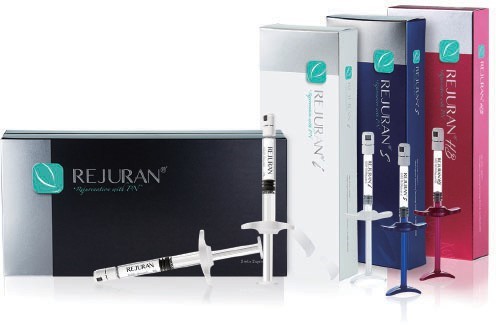
Rejuran is a polynucleotide-based injectable treatment. Polynucleotides are DNA fragments that are delivered into the skin with the aim of supporting the skin’s own reparative environment. Unlike a conventional volumizing filler, the treatment concept focuses on improving the biological condition and quality of the skin.
The supplied manufacturer material describes Rejuran as a purified PN medical device and states that the material is slowly degraded while maintaining a uniform structure in tissue. The same source emphasizes skin elasticity, hydration, texture and fine wrinkles as key treatment targets.
Polynucleotides (PN)
Purified DNA fragments used as a regenerative skin-quality treatment.
Skin quality
Elasticity, texture, hydration, fine lines and selected scar concerns.
Progressive
Designed around gradual dermal repair rather than immediate volumization.
The scientific rationale for PN treatment is centered on regeneration rather than camouflage. In the supplied 2024 Journal of Dermatological Treatment article, the authors describe several mechanisms relevant to damaged skin and scar remodeling: fibroblast proliferation and migration, enhanced collagen synthesis, and modulation of inflammatory responses.

Fibroblasts are central to dermal repair. By supporting fibroblast activity, PN therapy may help renewal of the extracellular matrix and improve the structural quality of damaged skin.
The research article links PN-driven fibroblast activation with increased collagen synthesis and reorganization. Clinically, this mechanism is relevant to texture, firmness, elasticity and scar remodeling.
Rather than creating an immediate filling effect alone, PN treatment is intended to support gradual biological repair. This is why improvements may evolve over a treatment course instead of appearing as a single dramatic volume change.
The scar-focused article also discusses modulation of inflammation as part of the proposed mechanism. This is particularly relevant in tissue repair, where persistent inflammation can interfere with orderly remodeling.
Rejuran is best understood as a skin-quality and regenerative injectable. It is not a direct substitute for every filler, toxin, laser or energy-based treatment. The best option depends on whether the main problem is volume loss, muscle movement, pigmentation, laxity, texture, scarring or a combination of these.
For patients whose priority is healthier-looking skin rather than obvious facial reshaping, PN treatment can be incorporated into a full-face rejuvenation strategy. The supplied Rejuran material highlights improvements in hydration, elasticity, texture, tone, pores and fine lines over a course of treatment.

The periorbital area is one of the most common zones where skin quality becomes noticeable early because the skin is thin and dynamic. The supplied product document specifically presents Rejuran i for the delicate eye area and discusses fine lines, crow’s feet, elasticity and the appearance of the under-eye region.
This type of treatment is aimed at the skin itself. It should not be confused with tear-trough filler, which addresses selected volume deficits, or botulinum toxin, which targets muscle-driven wrinkles. In many patients, the correct treatment depends on which anatomical component is dominant.
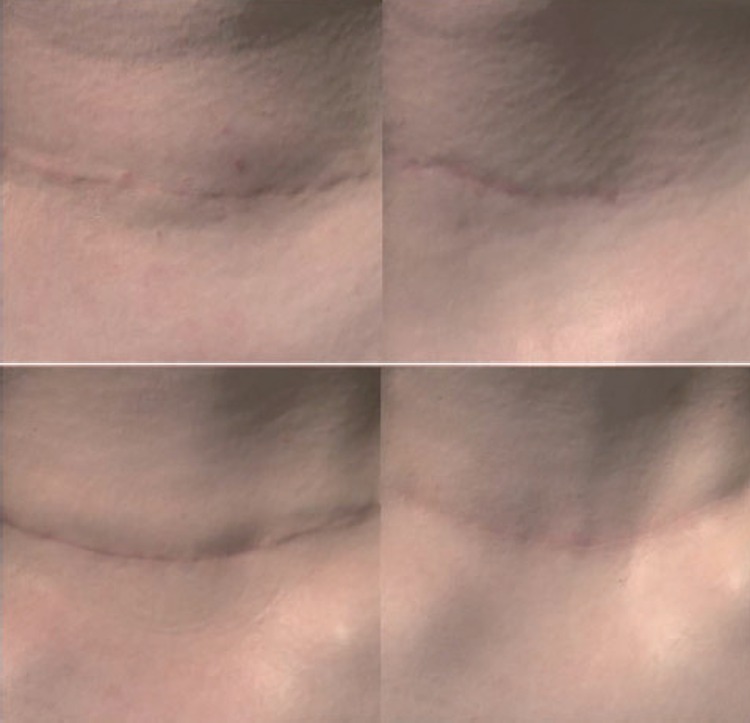
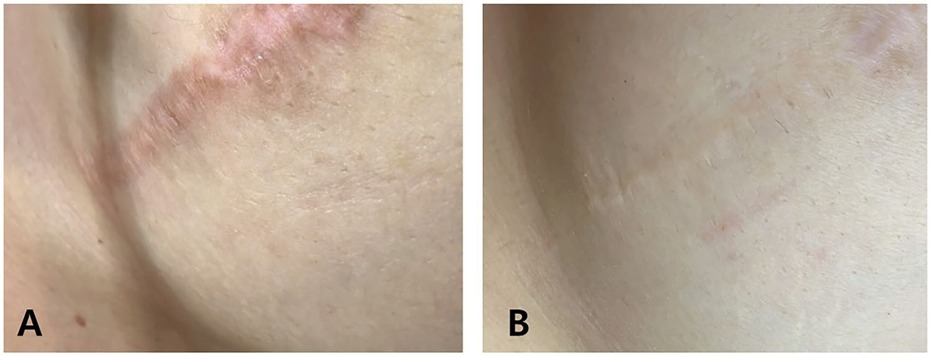
A 2024 case-series article explored polynucleotide-based treatment across post-traumatic, post-operative, burn-related and iatrogenic scars, with reported improvements in scar visibility and skin texture.
The strongest addition from the supplied 2024 research article is the discussion of polynucleotides in scar management. The case series included post-traumatic, post-operative, burn-related and iatrogenic scars. Across the reported cases, the authors described improvements in scar visibility, texture and overall skin quality, while also noting that some cases used multimodal combinations such as PRP, botulinum toxin or hyaluronic acid.
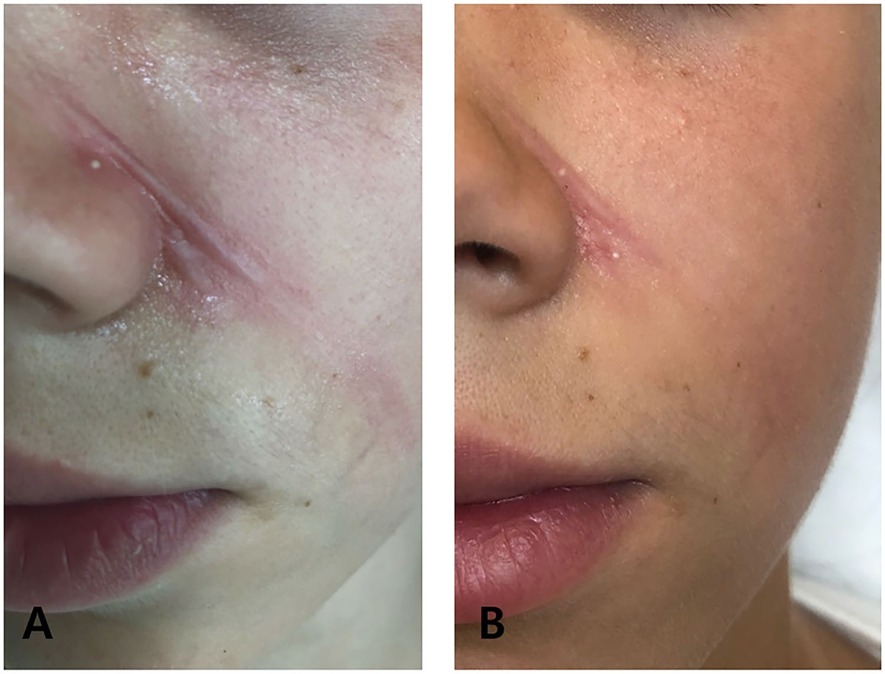
In one reported post-traumatic facial scar case, two Rejuran S sessions were spaced three weeks apart. The article describes reduced texture irregularity and discoloration after the second session. This is case-series evidence rather than proof that every scar will respond in the same way.
“Scar” is not one diagnosis. Atrophic acne scars, hypertrophic scars, keloids, erythematous scars, tethered scars, traumatic scars and post-procedure scars behave differently. PN injections may be one component of a plan, but some scars are better addressed with subcision, fractional resurfacing, vascular laser, corticosteroid treatment, microneedling/RF, surgical revision or combination therapy.
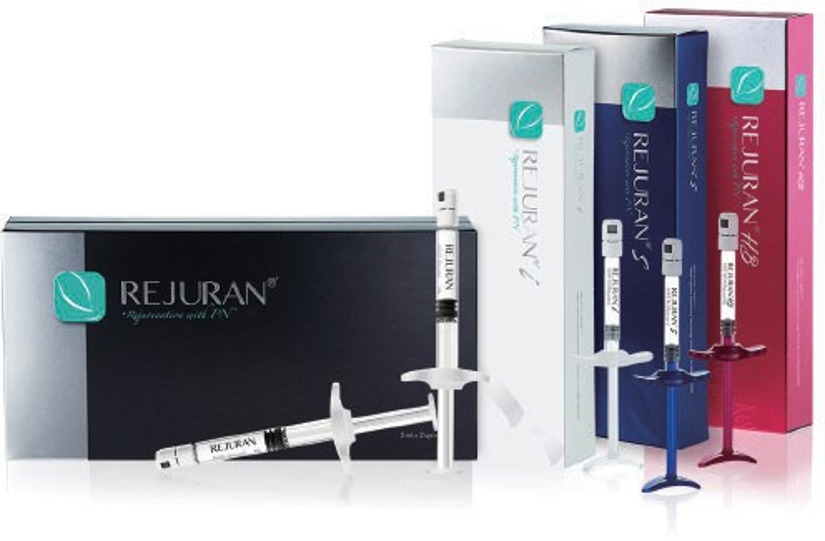
The supplied product guide presents several formulations intended for different clinical needs. Product availability and regulatory status vary by country and clinic, so the exact formulation should be selected after consultation.
| Formulation | Primary focus in supplied guide | Typical area/role |
|---|---|---|
| Rejuran Healer | General PN skin rejuvenation | Whole-face skin quality |
| Rejuran i | Lower-viscosity delicate-area formulation | Periorbital/eye area |
| Rejuran S | Higher-viscosity scar-focused formulation | Depressed and acne scars |
| Rejuran HB | PN + HA + lidocaine | Rejuvenation + hydration with improved treatment comfort |
Any injectable treatment requires medical assessment. Pregnancy or breastfeeding, active skin infection, uncontrolled inflammatory skin disease, significant allergy history, bleeding risk, immunologic concerns, recent procedures in the same area and the type of any previous injectables should be discussed before treatment. A history of fish or salmon allergy should also be raised with the treating clinician because PN products are salmon derived.
Treatment is usually performed through multiple small intradermal injections across the selected area. The supplied scar case series reported 2–6 mL per session using a 32-gauge needle with papule formation as the injection endpoint in those specific cases. This published protocol should not be interpreted as a universal dose or injection map for every indication or formulation.
For cosmetic skin rejuvenation, technique, volume, depth, spacing and product choice are individualized according to the treatment zone, skin thickness and clinical objective.
The manufacturer FAQ in the supplied material describes a course of four treatments spaced approximately 2–3 weeks apart, followed by maintenance around every six months. Other sections of the same source show indication-specific schedules, including three under-eye treatments and four full-face treatments. Scar protocols in the research article also varied by scar type and combination plan.
There is no single schedule that fits every Rejuran indication. Full-face rejuvenation, under-eye treatment and scar remodeling should be planned separately based on the formulation and the patient’s clinical goal.
Rejuran is generally positioned as a progressive treatment. The supplied product material describes early improvements in texture and skin balance after initial treatment, with later changes in tightness, fine lines and pores over subsequent sessions. Because the intended effect involves tissue repair and remodeling, results should be judged over weeks rather than only in the first few days.
Temporary papules, redness, swelling, needle marks, tenderness or bruising may occur after intradermal injection. Recovery varies by technique, treatment area and individual response.
Small raised papules, redness, swelling, needle marks, tenderness or bruising can occur after intradermal injection. The manufacturer FAQ states that slight swelling or papules may settle within about 24 hours, while its downtime chart depicts some injection-related changes extending over several days. Individual recovery varies with technique, treatment area and patient factors.
| Treatment | Main objective | Best suited to | Not primarily designed for |
|---|---|---|---|
| Rejuran / PN | Regeneration + skin quality | Texture, elasticity, fine lines, selected scars | Major structural volumization |
| HA skin booster | Hydration + skin quality | Dehydration, glow, fine crepiness | Large volume deficits |
| Dermal filler | Structural support / volume | Cheeks, chin, lips, selected folds or contour | Global biological skin repair |
| Botulinum toxin | Reduce muscle-driven movement | Dynamic expression lines | Volume loss or scar remodeling |
| movement | remodeling |
Yes, combination treatment may be considered when different problems coexist. The supplied scar article includes cases in which PN therapy was combined with PRP, botulinum toxin or hyaluronic acid, and reports promising multimodal outcomes while explicitly noting that further research is needed. In routine aesthetic practice, sequencing should be individualized so that different treatments target different layers and mechanisms without unnecessarily increasing inflammation or downtime.
The manufacturer material describes the PN as highly biocompatible and emphasizes product manufacturing and sterilization standards. However, no injectable aesthetic procedure should be described as risk-free. Expected injection-related effects can include swelling, papules, redness, tenderness and bruising; less common complications depend on technique, patient factors, product characteristics and treatment location. A qualified clinician should assess suitability and discuss risks before treatment.
Not in the conventional volumizing sense. Its main role is skin quality and regenerative support rather than creating major facial projection or contour.
PN stands for polynucleotide. The supplied Rejuran material describes purified DNA fragments derived from wild salmon.
Fine-line improvement is one of the key uses described in the supplied product material, particularly when reduced skin quality and elasticity contribute to the lines.
The product guide includes Rejuran i for the delicate eye area. Suitability depends on the cause of the under-eye concern and should be assessed clinically.
Rejuran S is presented as a scar-focused formulation, and the supplied literature supports potential regenerative use in selected scars. Acne scars often require combination treatment depending on scar morphology.
The supplied material commonly describes a treatment course rather than a single session. Exact number and interval vary by indication and formulation.
Temporary papules, redness, swelling or needle marks are common after intradermal injection. Some settle quickly, while visible injection effects can persist for several days in some patients.
Because the goal is progressive skin remodeling, assessment over several weeks and across the planned treatment course is more meaningful than judging the result immediately.
Potentially, yes. The treatment plan and sequence should be individualized, particularly if previous injectables are present.
No. A medical consultation is required to review the treatment goal, skin condition, allergy history, medications, previous procedures and other contraindications or precautions.
The 2024 Journal of Dermatological Treatment article supplied for this blog is a case series evaluating PN-based treatment, specifically Rejuran, across multiple scar and burn scenarios. It reports improvements in scar visibility and skin texture and discusses fibroblast activity, collagen synthesis and inflammation modulation as relevant mechanisms. Some cases used adjunctive treatments, so the findings should be interpreted as supportive clinical evidence rather than proof of Rejuran-only efficacy for every scar type.
Rejuran represents a different approach to injectable rejuvenation: instead of focusing mainly on filling or freezing, it is designed around skin regeneration and quality. Its most relevant roles are in fine lines, texture, elasticity, hydration, delicate under-eye skin and selected scar-remodeling strategies. The best outcomes depend on choosing the correct formulation, indication and combination plan rather than treating every concern with the same protocol.
There is no single schedule that fits every Rejuran indication. Full-face rejuvenation, under-eye treatment and scar remodeling should be planned separately based on the formulation and the patient’s clinical goal.