
Does PRP help acne scars?
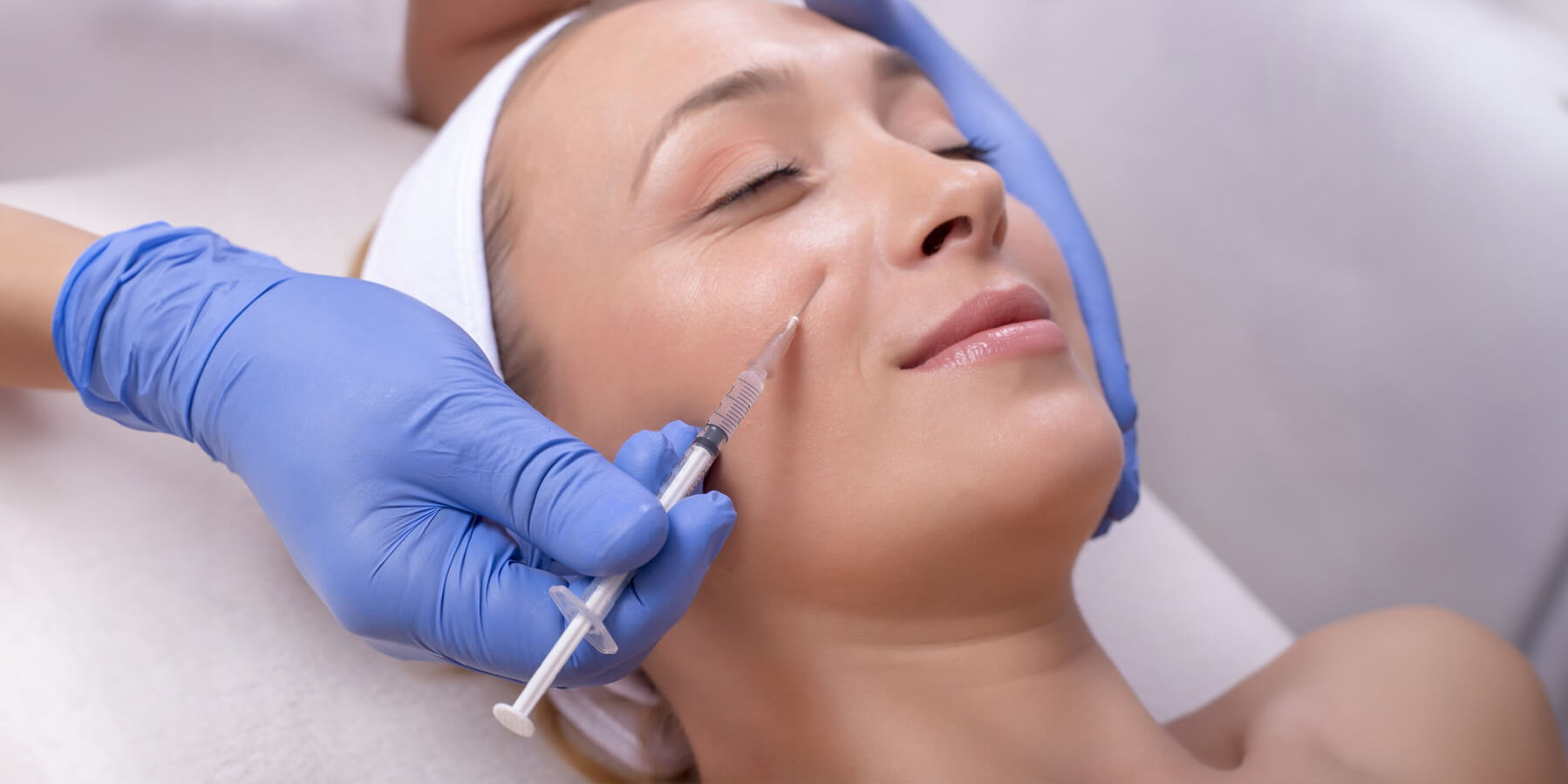
The source supports PRP mainly as an adjunct for atrophic acne scars. Studies combining PRP with microneedling, fractional laser or subcision generally reported better scar improvement, faster healing or reduced downtime compared with the procedure alone. PRP alone may have some benefit, but the chapter describes monotherapy as weaker than combination treatment.
PRP for Acne Scars, Surgical Scars and Stretch Marks in Abu Dhabi
Scars and stretch marks are structural changes in the skin, not simply surface discoloration. Atrophic acne scars form when inflammatory injury is followed by inadequate collagen restoration, while hypertrophic scars and keloids reflect excessive fibroblast activity and collagen production. Striae distensae are another form of dermal disruption and remodeling.
Platelet-rich plasma (PRP) is an autologous blood-derived preparation containing concentrated platelets, growth factors and signaling molecules. In scar management, PRP is best understood as a regenerative adjunct that may support wound healing, angiogenesis, inflammatory regulation and reorganization of the dermal extracellular matrix.
What the source actually supports
The chapter reports the clearest benefit for atrophic acne scars, as well as potential benefit in surgical scars and striae distensae. It does not support PRP as an established treatment for keloid scars, and it calls for further long-term research.
How PRP May Support Scar Remodeling
PRP can deliver concentrated growth factors including PDGF, TGF-beta, EGF and VEGF to target tissue. These mediators are involved in cell regeneration, proliferation, angiogenesis and matrix remodeling.
- Supports collagen reorganization and deposition
- May accelerate re-epithelialization and wound recovery
- May enhance angiogenesis and tissue repair
- Can modulate inflammation after procedures
- May reduce downtime when used with laser, needling or subcision
Acne Scar Types : Why Classification Matters
Atrophic acne scars are commonly classified as rolling, boxcar and ice-pick scars. Each subtype has a different architecture, so treatment planning should be based on scar morphology rather than applying the same protocol to every patient.
| Scar subtype | Typical pattern | Source-aligned treatment logic |
|---|---|---|
| Rolling | Broad, wave-like depressions with tethering | Subcision-based remodeling is especially relevant; PRP may be added as an adjunct |
| Boxcar | Sharper-edged depressed scars | Microneedling or fractional resurfacing may be combined with PRP |
| Ice-pick | Narrow, deep tracts | The source does not support PRP alone as a targeted correction for deep tracts |
PRP + Microneedling for Atrophic Acne Scars
Multiple comparative and split-face studies summarized in the source evaluated PRP added to microneedling or dermaroller treatment. Across these studies, combination treatment generally produced greater clinical improvement than microneedling alone.
Is microneedling with PRP better than microneedling alone?
Several studies summarized in the chapter found better outcomes when PRP was added to microneedling. However, the protocols, scar grades and outcome measures varied, so results should not be presented as guaranteed.
PRP + Fractional CO2 or Erbium Laser
Fractional lasers create controlled columns of thermal injury that trigger dermal remodeling. The chapter positions the energy-based procedure as the principal remodeling stimulus, while PRP may accelerate wound healing, shorten downtime and enhance collagen-matrix reorganization.
Randomized studies, split-face trials and systematic reviews cited in the source generally favored PRP plus fractional ablative laser over laser alone for atrophic acne scars, although the magnitude of benefit varied.
PRP + Subcision
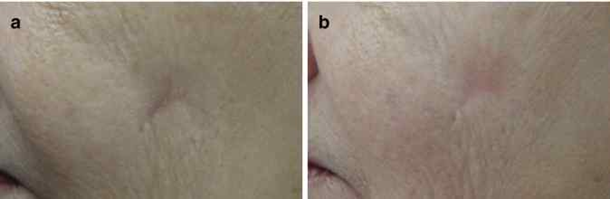
Subcision releases fibrous tethering beneath depressed scars. The source includes prospective and split-face studies in which adding PRP to subcision improved outcomes compared with subcision alone and, in some reports, reduced downtime or side effects.
This combination is particularly relevant for tethered rolling scars. It should not be described as a universal treatment for every acne-scar subtype.
PRP for Surgical and Traumatic Scars
The source also reviews post-traumatic and surgical-scar studies. Combination approaches including fractional CO2 laser plus PRP and fat grafting plus PRP with non-ablative laser were associated with improved clinical outcomes in the reported cohorts. The evidence is supportive but less extensive than the acne-scar literature.
PRP for Stretch Marks (Striae Distensae)
Striae distensae commonly occur on the abdomen, breasts, upper arms, hips, lower back, buttocks and inner thighs. Early striae may appear red or purple and can later evolve into pale, depressed striae alba.
The source summarizes five clinical studies evaluating PRP for stretch marks, either alone or in combination with radiofrequency, dermabrasion, carboxytherapy or topical tretinoin.
| Study | Sample / design | Protocol | Reported finding |
|---|---|---|---|
| Kim et al. [46] | 19; pilot | 3 intradermal RF + PRP sessions every 4 weeks | All patients improved; 64% satisfaction |
| Ibrahim et al. [47] | 68; randomized comparative | PRP, dermabrasion, or combination | PRP-containing groups performed well; combination had shorter recovery |
| Hodeib et al. [48] | 20; randomized comparative | 4 sessions PRP vs carboxytherapy | Both improved stretch-mark appearance |
| Gamil et al. [49] | 27; randomized comparative | 3 monthly PRP vs topical tretinoin | Both effective; PRP superior in that study |
| Ahmed & Mostafa [50] | 45; randomized comparative | PRP vs carboxytherapy vs tripolar RF | All improved; PRP reduced redness, while RF/carboxytherapy performed better overall |

Does PRP Work Well Alone?
The chapter authors consider PRP monotherapy comparatively weak. Their interpretation is that fractional laser, microneedling or another remodeling treatment provides the principal structural stimulus, while PRP supports healing and matrix remodeling.
What About Keloid Scars?
Keloids are biologically different from atrophic acne scars. They involve excessive fibroblast activity and collagen production and can grow beyond the original wound boundary. Although one study in the chapter included PRP in a triple treatment with surgical excision and cryosurgery for auricular keloids, the chapter’s overall conclusion does not support PRP as an established stand-alone keloid treatment.
Evidence Summary
The original academic chapter contains a large evidence table. For a website page, a concise synthesis is easier for patients, search engines and answer engines to interpret.
| Combination | Evidence represented in source | Overall source signal |
|---|---|---|
| Microneedling + PRP | Multiple split-face and comparative studies | Often improved outcomes compared with microneedling alone |
| Fractional CO2 + PRP | Randomized studies, split-face trials, systematic reviews | Frequently improved scar appearance and/or reduced post-procedure effects |
| Subcision + PRP | Prospective comparative studies | Greater improvement than subcision alone in reported cohorts, especially relevant to rolling scars |
| Erbium laser + PRP | Open-label prospective study | High proportion of patients reported significant improvement with minimal side effects |
| PRP for striae | Five comparative/pilot studies | Improvement reported, but results vary by combination and comparator |
Treatment Course Described in the Source
The chapter describes an initial course of approximately three to four sessions spaced about one month apart, followed by additional treatments as needed. Results are described as becoming evident within the first three months, with improvement potentially continuing over the following six months.
Important qualification
This is the protocol described by the chapter authors, not a universal standard. The actual treatment plan should depend on scar subtype, the combination procedure used and individual healing response.
Safety, Downtime and Expectations
- PRP is autologous, but treatment is still invasive and requires appropriate blood handling.
- Downtime is driven mainly by the associated procedure, particularly laser, RF microneedling or subcision.
- Combination studies often reported faster healing or reduced downtime when PRP was added.
- Complete scar removal should not be promised; the source supports improvement and remodeling.
- Keloid and hypertrophic scars require separate assessment because their biology differs from atrophic scars.
