
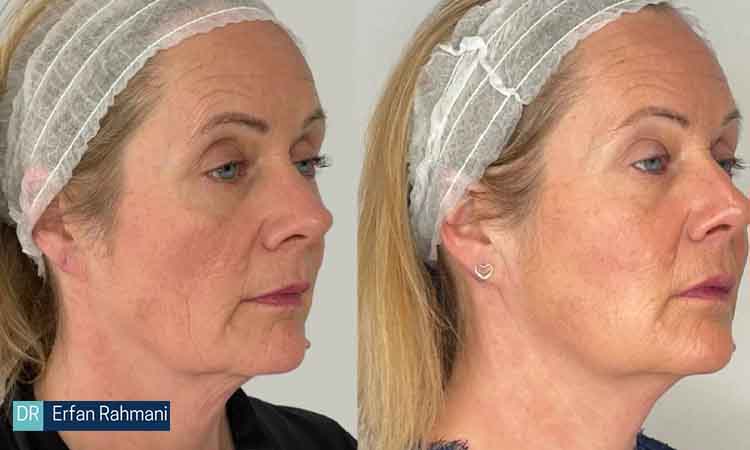
Getting dermal fillers is an important step toward achieving a more balanced, youthful, and refreshed appearance, but the treatment itself is only part of the process. What happens after the injection can significantly influence your comfort, recovery, and final results. This is why understanding proper Dermal Fillers Aftercare is essential for anyone who wants to protect their investment and achieve the best possible outcome.
Many patients have questions immediately after treatment: How long will swelling last? Can I exercise after fillers? Should I avoid sleeping on my face? When can I apply makeup again? These concerns are completely normal because the skin and tissues need time to adjust after filler injections.
Dermal fillers are designed to restore volume, enhance facial contours, and soften signs of aging. However, the treated area may temporarily experience swelling, redness, bruising, or sensitivity. Following professional aftercare instructions can help minimize these effects and support a smoother recovery process.
In this comprehensive guide, we will explain what to do after dermal fillers, what to avoid, how long recovery usually takes, and how to maintain long-lasting and natural-looking results.
Why Dermal Fillers Aftercare Is Important
Proper aftercare plays a major role in the success of dermal filler treatments. Although fillers are minimally invasive compared with surgical procedures, the body still needs time to respond and adjust after injections. During treatment, a filler substance is carefully placed beneath the skin to restore volume or improve facial structure. After injection, the surrounding tissues may react naturally, causing temporary swelling, redness, or tenderness. Following recommended aftercare guidelines helps:- Support the healing process
- Reduce unnecessary irritation
- Minimize swelling and bruising
- Allow fillers to settle properly
- Improve overall treatment satisfaction
What to Do After Dermal Fillers
Following the correct steps after your appointment can make your recovery more comfortable and help protect your results.Keep the Injection Area Clean and Protected
After dermal filler treatment, the skin may have small injection points that need time to heal. Keeping the treated area clean is important to reduce the risk of irritation or infection. Patients should avoid unnecessary touching of the treated area, especially with unwashed hands. Although it can be tempting to check or massage the area, excessive pressure may interfere with the healing process. Gentle skincare is usually recommended during the first days after treatment. Avoid aggressive exfoliation or harsh skincare products unless your provider approves them.Use Cold Compresses to Reduce Swelling
Swelling is one of the most common temporary effects after dermal fillers. It occurs because the body responds naturally to the injection process. Applying a cold compress can help improve comfort and reduce swelling. However, it should be used carefully. Patients should:- Apply cold compresses gently
- Avoid pressing heavily on treated areas
- Use short intervals rather than prolonged exposure
Stay Hydrated and Maintain a Healthy Lifestyle
Hydration and overall health can support the recovery process. Drinking enough water helps maintain healthy skin and supports normal body functions. After fillers, it is also helpful to maintain habits that support skin health, including:- Eating a balanced diet
- Getting enough sleep
- Protecting the skin from excessive sun exposure
- Following a consistent skincare routine
Follow Your Provider’s Instructions
Every patient is different, and aftercare recommendations may vary depending on the treatment area and type of filler. Your provider may recommend specific instructions regarding:- Skincare products
- Physical activity
- Follow-up appointments
- Massage or additional treatments
What to Avoid After Filler Injections
Knowing what to avoid after treatment is just as important as knowing what to do. Certain activities can increase swelling, irritation, or discomfort during the early recovery period.Avoid Touching or Massaging the Treated Area
One of the most common mistakes after filler injections is repeatedly touching the treated area. Unless specifically instructed by your provider, avoid:- Pressing on the filler area
- Rubbing the skin
- Attempting to reshape the filler yourself
Avoid Strenuous Exercise After Dermal Fillers
Many patients ask about exercise after filler injections. While light daily activities are usually acceptable, intense workouts may increase blood flow and potentially worsen swelling during the early recovery period. Activities to avoid temporarily may include:- Heavy gym workouts
- Running
- High-intensity training
Avoid Alcohol After Dermal Fillers
Alcohol consumption after fillers is generally discouraged because it may contribute to increased bruising and swelling. Alcohol can affect blood vessels and may make temporary side effects more noticeable. For a smoother recovery, many providers recommend avoiding alcohol shortly before and after treatment.Avoid Excessive Heat Exposure
Heat can increase blood flow and may worsen swelling after injections. Patients should avoid:- Saunas
- Steam rooms
- Very hot baths
- Excessive sun exposure
Avoid Makeup Immediately After Injection
Applying makeup immediately after fillers may introduce bacteria to recently injected areas. Many providers recommend waiting before applying makeup, especially over injection points. Your practitioner can provide specific guidance depending on your skin condition and treatment area.Dermal Filler Recovery Timeline: What to Expect After Injection
Understanding the normal recovery timeline can help patients avoid unnecessary concern after treatment.First 24 Hours After Fillers
During the first day, it is common to experience:- Mild swelling
- Redness
- Tenderness
- Minor bruising
First Week After Treatment
During the first week, swelling usually begins to decrease, and the filler starts settling into the surrounding tissue. Some patients may still notice minor unevenness or sensitivity. This does not always indicate a problem because the healing process is still ongoing.Two Weeks After Dermal Fillers
Around two weeks after treatment, most patients begin seeing a clearer picture of their final results. At this stage:- Swelling is significantly reduced
- Fillers have settled more naturally
- The treated area appears more balanced
How to Reduce Swelling After Fillers
Swelling after dermal fillers is a common concern, especially in sensitive areas such as the lips and under the eyes. Helpful strategies include:- Using cold compresses as recommended
- Sleeping with your head slightly elevated
- Drinking enough water
- Avoiding excessive salt intake
- Avoiding alcohol and heat exposure
Sleeping After Dermal Fillers: Best Practices for Recovery
Sleep habits can influence comfort and recovery after dermal filler treatment, especially during the first few nights. Although fillers are designed to integrate naturally with facial tissues, applying pressure to recently treated areas may cause unnecessary irritation.Can You Sleep on Your Side After Dermal Fillers?
Many patients wonder whether they can sleep normally after receiving fillers. In general, it is recommended to avoid putting direct pressure on treated areas during the initial recovery period. For example, after lip, cheek, or under-eye fillers, sleeping with your face pressed against a pillow may increase discomfort or contribute to additional swelling. A better approach is to:- Sleep on your back when possible
- Avoid pressing the treated area against a pillow
- Use clean pillowcases to reduce irritation
Should You Sleep With Your Head Elevated After Fillers?
Keeping your head slightly elevated while sleeping may help reduce swelling, particularly during the first night after treatment. Using an extra pillow can support a more comfortable recovery by preventing excessive fluid accumulation around the treated area. However, patients should avoid extreme sleeping positions that create pressure on the face.Aftercare Tips for Different Types of Dermal Fillers
Although general aftercare principles apply to most filler treatments, specific recommendations may vary depending on the injection area.Lip Filler Aftercare
Lip filler aftercare is especially important because the lips are highly sensitive and contain many small blood vessels. After lip filler injections, patients may experience:- Swelling
- Tenderness
- Mild bruising
- Temporary firmness
- Avoid excessive touching or pressing the lips
- Avoid very hot drinks during the early recovery period
- Stay hydrated
- Follow your provider’s recommendations
Cheek Filler Aftercare
Cheek fillers are commonly used to restore volume, improve facial balance, and create a more youthful contour. After cheek filler treatment, patients should avoid unnecessary pressure on the cheeks during the early healing period. Helpful practices include:- Avoid sleeping directly on treated areas
- Follow skincare recommendations
- Protect the skin from excessive sun exposure
- Attend follow-up appointments if recommended
Under Eye Filler Aftercare
The under-eye area is one of the most delicate areas treated with dermal fillers. Because the skin is thinner in this region, patients may experience more visible swelling or bruising compared with other areas. After under-eye fillers, patients should:- Avoid rubbing the area
- Use gentle skincare products
- Protect the skin from irritation
- Follow professional aftercare instructions carefully
Common Side Effects After Dermal Fillers and When to Contact Your Provider
Understanding what is normal after fillers can help patients feel more confident during recovery.Normal Temporary Side Effects
Many patients experience mild and temporary effects after injections, including:- Swelling
- Redness
- Bruising
- Tenderness
- Mild discomfort
- Injection location
- Amount of filler used
- Individual sensitivity
- Skin condition
Signs That Require Medical Attention
Although serious complications are uncommon when fillers are performed by qualified professionals, patients should contact their provider if they experience unusual symptoms. Important warning signs may include:- Severe or increasing pain
- Significant skin discoloration
- Unusual swelling
- Signs of infection
- Changes that appear concerning or unexpected
How to Maintain Dermal Filler Results Longer
Dermal fillers can provide long-lasting improvements, but maintaining healthy habits can help preserve results.Protect Your Skin From Sun Damage
Sun exposure contributes to collagen breakdown and premature aging. Using sunscreen regularly can help protect skin quality and support long-term facial rejuvenation results.Maintain a Consistent Skincare Routine
A good skincare routine complements dermal filler treatments. Important habits include:- Gentle cleansing
- Proper hydration
- Daily sun protection
- Using suitable skincare products recommended by professionals
Follow a Healthy Lifestyle
Lifestyle choices can influence overall skin health. Helpful habits include:- Drinking enough water
- Eating nutrient-rich foods
- Getting quality sleep
- Managing stress
Mistakes That Can Affect Dermal Filler Results
Avoiding common mistakes can help protect your investment and improve satisfaction with treatment.Touching the Treated Area Too Often
Repeated touching or pressure can irritate the skin and interfere with the healing process.Exercising Too Soon
Returning immediately to intense physical activity may increase swelling and discomfort.Ignoring Professional Instructions
Every treatment is different. Following general advice from the internet should never replace the personalized instructions provided by your injector.Scheduling Fillers Too Close to Important Events
Because swelling and bruising are possible, it is usually better to schedule treatments well before major events such as weddings or important presentations. This allows enough time for the filler to settle and the final results to appear naturally.Conclusion: Following Proper Dermal Fillers Aftercare for Better Results
Dermal fillers can create beautiful and natural-looking improvements, but the quality of the final outcome depends not only on the injection itself but also on proper recovery practices. Understanding Dermal Fillers Aftercare helps patients reduce temporary side effects, protect their results, and support a smoother healing process. Simple steps such as avoiding excessive pressure, protecting the skin, following professional instructions, and maintaining a healthy lifestyle can make a significant difference. Swelling, redness, and mild bruising are common after filler injections and usually improve with time. However, choosing an experienced provider and following personalized aftercare guidance remain the most important factors for safe and satisfying results. If you are considering dermal fillers or have questions about recovery after treatment, schedule a consultation with our experienced aesthetic specialists to receive personalized advice based on your goals and facial needs.Frequently Asked Questions (FAQs)
What should I avoid after getting dermal fillers? After dermal fillers, it is recommended to avoid excessive touching, intense exercise, alcohol, heat exposure, and activities that put pressure on treated areas during the early recovery period. How long does swelling last after dermal fillers? Swelling usually improves within several days, although some areas may take up to two weeks to fully settle. Can I exercise after filler injections? Most providers recommend avoiding strenuous exercise for at least 24 to 48 hours after treatment, depending on the treatment area and individual recovery. Can I sleep on my side after dermal fillers? It is generally recommended to avoid putting pressure on treated areas, especially during the first night after treatment. When can I wear makeup after dermal fillers? Many providers recommend waiting at least 12 to 24 hours before applying makeup to reduce irritation and infection risk. How long does it take for fillers to settle? Most dermal fillers begin settling within a few days, with final results becoming clearer after approximately two weeks.
Rate this post