
Can Teenagers Get Lip Fillers? Ethical, Psychological, Consent, and Safety Considerations
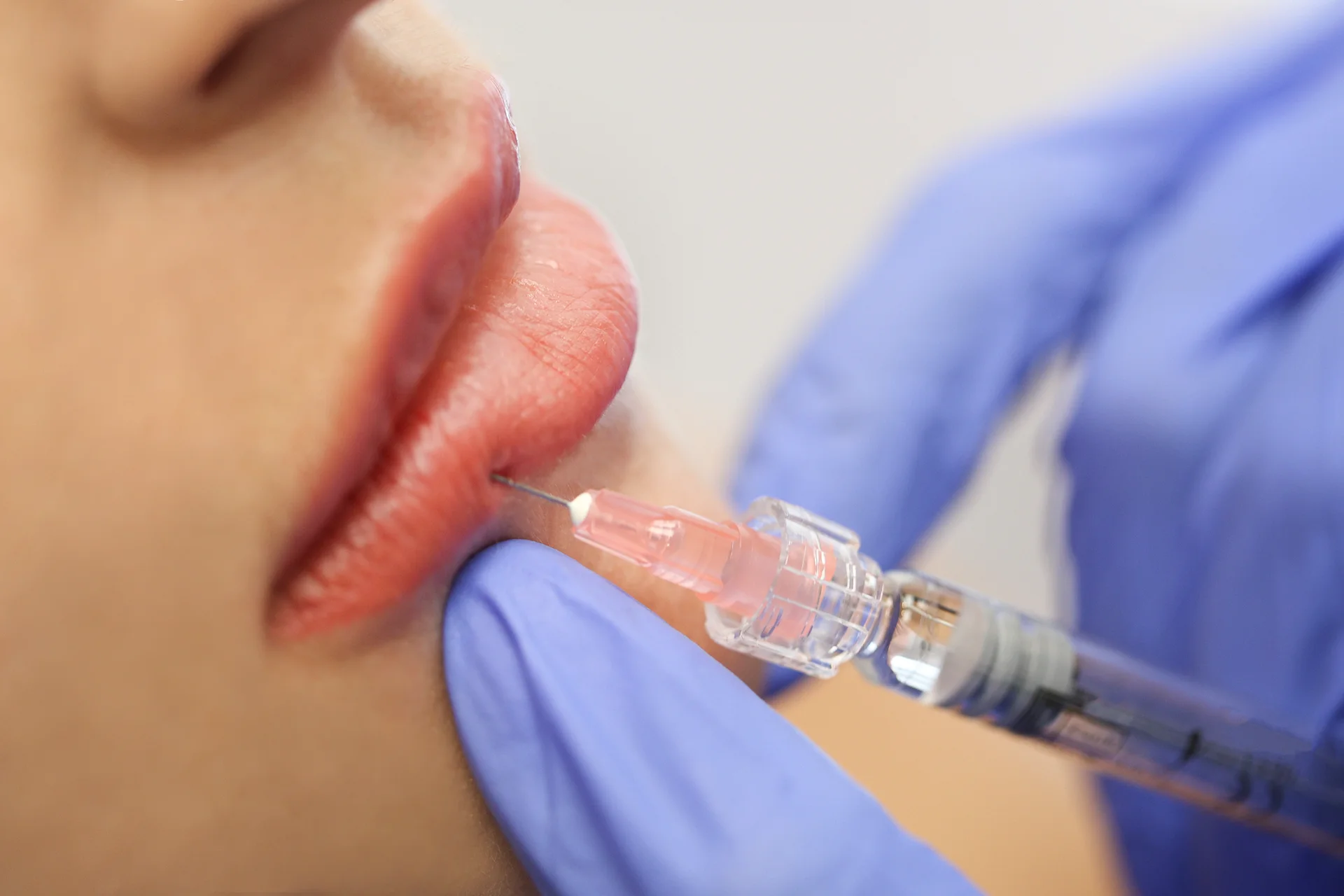
Teenage Lip filler is one of the most recognizable non-surgical aesthetic treatments, but the question becomes significantly more complex when the patient is a teenager. A request for lip enhancement from a minor is not simply a smaller version of an adult cosmetic consultation. It raises questions about legal capacity, parental permission, informed decision-making, emotional maturity, social-media influence, body image, long-term expectations, and the clinician's ethical duty to avoid harm.
A 2026 Ethics Journal Club discussion in the Journal of the American Academy of Dermatology (JAAD) addresses exactly this scenario: a 16-year-old patient attends with her mother requesting lip fillers, and the mother supports the procedure and provides consent. The central question is whether an elective cosmetic filler procedure is ethically appropriate for a minor even when a parent agrees.
The discussion is especially relevant because injectable cosmetic treatments have become increasingly visible to adolescents and young adults. According to data cited by the authors from the American Society of Plastic Surgeons, the use of hyaluronic acid fillers among people aged 19 years and younger increased by 71% between 2019 and 2022. That increase makes careful clinical judgment more important, not less.
Why Lip Filler Requests in Teenagers Require a Different Approach
Adults seeking cosmetic treatment are generally presumed to have legal capacity to make their own decisions, provided they understand the procedure, alternatives, benefits, limitations, and risks. In adolescents, however, physical maturity can develop faster than cognitive and emotional maturity. A teenager may look physically adult while still developing the psychological skills required for stable long-term decision-making.
Adolescence is also a period in which identity, independence, self-image, beauty standards, and social belonging are still evolving. The JAAD article notes that teenagers may experiment with behaviors as part of the process of forming an adult identity. During this stage, perceptions of the self and of beauty may be less stable, making adolescents more susceptible to external pressure, social comparison, peer norms, online trends, and idealized appearance standards.
For an aesthetic clinician, this means the consultation should not focus only on the technical question of whether filler can be injected safely. The more important question may be whether performing the procedure is appropriate for this individual at this stage of development.
Parental Consent Does Not Automatically Make an Elective Cosmetic Procedure Appropriate
A parent or guardian may support a teenager's request and may even be willing to provide formal consent. However, parental approval does not remove the clinician's independent ethical responsibility. Cosmetic treatment is not simply a transaction between a family and a clinic; the practitioner must decide whether the proposed treatment is in the patient's best interests and whether the potential benefit justifies the physical and psychological risks.
The JAAD authors explain that, in most U.S. states, individuals generally need to be legal adults — usually 18 years or older — to undergo elective cosmetic procedures, while emphasizing that requirements can vary depending on the jurisdiction, patient circumstances, and the specific procedure. Practitioners must always follow the laws, regulations, professional standards, and consent requirements that apply in their own location.
Ethically, the presence of parental permission should be considered one part of the assessment rather than the entire assessment. The clinician still needs to evaluate the young person's understanding, motivation, expectations, emotional stability, vulnerability to influence, and ability to appreciate both short-term and longer-term consequences.
Are There Situations Where Filler in a Minor May Be Considered?
The ethical discussion distinguishes purely elective cosmetic enhancement from unusual circumstances in which treatment may address a meaningful structural abnormality. The authors give the example of significant lip asymmetry resulting from trauma or a congenital deformity. In such cases, a dermatologist may in rare circumstances consider filler to improve the asymmetry.
This distinction matters. Correcting a substantial congenital or post-traumatic asymmetry is ethically different from enlarging otherwise normal lips in response to a beauty trend. The indication, expected benefit, psychological context, medical necessity, reversibility, alternatives, and legal framework should all be evaluated carefully. Even when there is a reconstructive or corrective rationale, treatment of a minor still requires an especially thorough consent process and appropriate guardian involvement according to local rules.
Informed Consent Must Be More Than a Signature
One of the key concerns in adolescent aesthetic medicine is assuming that a young patient fully understands the implications of an elective procedure simply because they can describe what they want. Genuine informed decision-making requires more than identifying a desired lip shape or showing a reference photo.
The consultation should explore whether the adolescent understands that filler is a medical procedure, that results cannot be guaranteed, that complications can occur, and that changing one feature does not necessarily resolve dissatisfaction with appearance. The patient should also have access to clear information, realistic expectations, and enough time to make a decision without pressure from family, friends, social media, or the clinic itself.
Why a Cooling-Off Period Matters
The JAAD discussion recommends a thorough consultation process that includes a cooling-off period. A pause between consultation and treatment gives the patient time to reflect after receiving balanced information and reduces the likelihood of an impulsive decision.
As an example, the authors cite guidance from the Medical Board of Australia recommending a minimum seven-day period between informed consent and any nonsurgical cosmetic procedure performed on a minor, together with parental or guardian consent. The exact legal requirement is jurisdiction-specific, but the ethical principle is broadly useful: adolescents should not be rushed from desire to injection in a single emotionally charged encounter.
Social Media, Beauty Standards, and the Developing Sense of Self
Teenagers now encounter an unprecedented volume of appearance-focused content. Filters, edited photographs, celebrity images, influencer content, cosmetic-procedure videos, and peer comparison can change the way a young person interprets normal facial anatomy. Features that would previously have been accepted as normal may begin to feel like defects when viewed through highly curated visual standards.
The JAAD authors emphasize that adolescents can be particularly susceptible to social influence and pressure to conform to peer norms because their perceptions of self, beauty, and identity may not yet be fully formed or stable. This does not mean that every young person requesting an aesthetic procedure has an unhealthy motivation. It does mean the clinician should actively explore where the request came from and how persistent the concern is.
Useful clinical questions include whether the teenager has wanted the change for a long time or only recently, whether the request followed online comments or bullying, whether they repeatedly compare themselves with a specific person or filtered image, whether they expect the procedure to solve a broader social or emotional problem, and whether dissatisfaction shifts from one feature to another.
Body Dysmorphic Disorder and Psychological Screening
An ethical cosmetic consultation must consider the possibility that the aesthetic concern is masking an underlying psychological problem. The JAAD article specifically mentions depression and body dysmorphic disorder (BDD) as conditions that may influence requests for cosmetic procedures.
BDD is particularly relevant because a patient may be intensely preoccupied with a perceived appearance flaw that is minor or not observable to others. In that situation, a technically successful cosmetic procedure may fail to relieve the distress and may reinforce a cycle of repeated procedures, dissatisfaction, or fixation on new perceived defects.
When BDD is suspected, the article notes that dermatologists can use screening instruments such as the adapted Body Dysmorphic Disorder Dermatology Questionnaire and refer the patient to a psychologist or psychiatrist when appropriate. Screening is not about labeling or dismissing the patient — it is a way of protecting the patient from an intervention that may not address the real source of distress.
The Ethical Principle of Nonmaleficence: "Do No Harm"
The principle of nonmaleficence — the professional obligation to avoid causing harm — is central to the JAAD analysis. Aesthetic practitioners often discuss autonomy, meaning the patient's right to participate in decisions about their own body. Autonomy is important, but in minors it must be balanced against developmental vulnerability and the clinician's duty of care.
The authors explicitly argue that respect for autonomy should not supersede nonmaleficence. A procedure can be technically feasible and still be ethically inappropriate. The potential harm is not limited to an injection-related complication. Clinicians also need to consider whether treatment could reinforce unrealistic beauty standards, validate a distorted perception of normal anatomy, encourage dependence on repeated cosmetic procedures, or distract from an underlying mental-health concern.
Lip Filler Is Still a Medical Procedure
Hyaluronic acid fillers are widely used and can be administered safely by appropriately trained medical professionals, but "minimally invasive" does not mean risk-free. The JAAD article highlights vascular occlusion as an example of a serious complication associated with dermal fillers. This is particularly important when considering an elective treatment in someone who may have limited capacity to weigh rare but meaningful risks against an appearance-driven benefit.
A responsible consultation should therefore avoid presenting lip filler as a casual beauty service. The patient and guardian, where applicable, should understand that injections can cause complications and that a medical decision should not be driven primarily by a trend, a short-lived preference, or pressure to resemble an online image.
Less-Invasive Alternatives Should Be Discussed First
The JAAD authors recommend a proactive approach in which clinicians discuss less-invasive and less-permanent options that may satisfy the patient's aesthetic curiosity without exposing them to the same level of procedural risk. In the specific scenario of a minor requesting lip enhancement, the article suggests that a topical lip plumper containing hyaluronic acid could be trialed as a low-risk alternative.
The purpose of an alternative is not to promise that a topical product can reproduce the effect of injectable filler. Rather, it allows a young person to experiment with an aesthetic preference in a reversible way while avoiding the long-term implications and injection-related risks of filler. The cited literature includes a clinical trial evaluating the duration, efficacy, and safety of a novel lip plumper.
A Practical Ethical Framework for Clinicians
When a teenager requests lip filler, the consultation can be structured around a series of guiding questions that go beyond facial measurements and product selection:
| Assessment Area | Key Question to Explore |
|---|---|
| Motivation & duration | What is the exact reason for requesting treatment, and how long has the concern been present? |
| Nature of request | Is the request for purely cosmetic enlargement, or is there a significant congenital, developmental, or post-traumatic asymmetry? |
| Legal eligibility | Is the patient legally eligible for the procedure under local rules? |
| Decision-making roles | What role do the parent or guardian and the adolescent each play in the decision? |
| Understanding of risk | Does the adolescent understand that filler is a medical procedure with limitations and potential complications? |
| Expectations | Are expectations realistic, stable, and proportionate to the anatomical concern? |
| External influence | Is the request influenced by social pressure, bullying, filters, edited images, celebrities, or peer comparison? |
| Psychological screening | Are there signs of depression, BDD, or another psychological concern that warrant screening or referral? |
| Time for reflection | Has adequate time for reflection been provided rather than offering same-day treatment? |
| Alternatives | Could a less-invasive or temporary alternative meet the patient's needs more appropriately? |
What Should the Clinician Do When the Request Is Purely Cosmetic?
The conclusion of the JAAD Ethics Journal Club is clear: requests from minors for lip fillers solely for aesthetic purposes should be declined. The clinician should use professional judgment, provide thorough counseling, allow time for reflection, discuss less-invasive alternatives, and prioritize the patient's long-term physical and psychological well-being.
Declining a procedure does not need to be dismissive. The consultation can still be constructive. The clinician can acknowledge the patient's concern, explain why age and developmental factors change the risk-benefit assessment, clarify that parental permission does not eliminate the doctor's ethical responsibility, discuss safer alternatives, and offer reassessment in the future when the patient reaches appropriate legal and developmental maturity.
How to Communicate the Decision Respectfully
A teenager who has strongly anticipated a cosmetic procedure may experience refusal as rejection or judgment. Communication should therefore remain respectful and medically focused. The goal is not to criticize the patient's appearance or desire for change, but to explain why the clinician is prioritizing long-term safety and informed decision-making.
A useful approach is to confirm that the concern has been heard, explain that normal facial features continue to be interpreted differently as identity and preferences develop, review non-invasive options, and avoid making promises about future treatment. If psychological distress appears disproportionate to the physical finding, appropriate mental-health support should be discussed rather than proceeding with cosmetic intervention.
Frequently Asked Questions
| Question | Answer |
|---|---|
| Can a 16-year-old get lip filler if a parent consents? | Parental consent alone does not make an elective cosmetic procedure ethically appropriate. Legal rules vary by jurisdiction, and the clinician still has an independent duty to assess capacity, maturity, motivation, risks, psychological factors, and the patient's best interests. The JAAD ethics discussion recommends declining lip filler requests in minors when the indication is solely aesthetic. |
| Is lip filler ever appropriate in a minor? | The JAAD authors note rare situations in which filler might be considered to correct significant lip asymmetry caused by trauma or a congenital deformity. These cases are different from elective lip enlargement and still require careful legal, ethical, clinical, and consent assessment. |
| Why is a cooling-off period important for teenagers? | A cooling-off period separates the consultation from the procedure and allows time for reflection after receiving information about risks, limitations, alternatives, and expectations. The article cites Australian guidance recommending at least seven days between informed consent and a nonsurgical cosmetic procedure in minors, together with parent or guardian consent. |
| What psychological issues should be considered before cosmetic treatment? | Clinicians should consider whether the request is related to depression, body dysmorphic disorder, unstable body image, social pressure, bullying, or unrealistic expectations. When BDD is suspected, a validated screening questionnaire and referral to a psychologist or psychiatrist may be appropriate. |
| What is a safer alternative to injectable filler for a teenager who wants fuller-looking lips? | The JAAD discussion suggests trialing a topical lip plumper containing hyaluronic acid as a less-invasive, lower-risk, and reversible alternative. Such products do not produce the same result as injectable filler, but they may allow a young person to explore an aesthetic preference without injection-related risks. |
| What is the main ethical principle in this situation? | Nonmaleficence — avoiding harm — is central. Respect for autonomy is important, but the article argues that it should not override the clinician's obligation to protect a minor's long-term physical and psychological well-being. |