
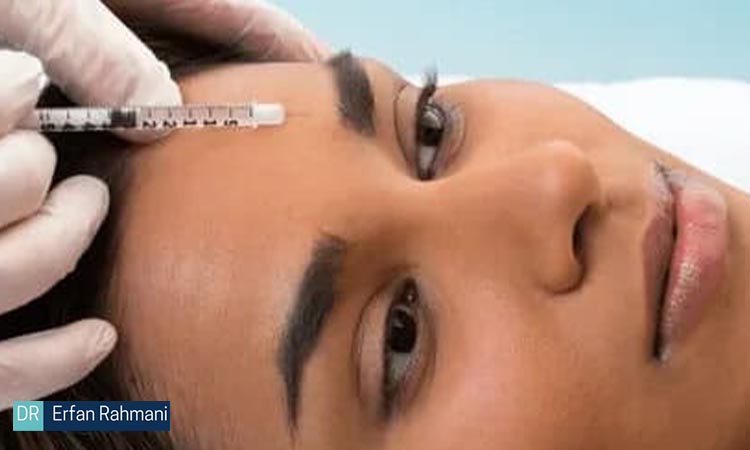
One of the most common questions patients ask before undergoing Botox treatment is: How long does Botox last? Understanding the expected duration of Botox results is an essential part of making an informed decision about this popular non-surgical cosmetic procedure.
Botox has become one of the most widely used aesthetic treatments for reducing dynamic wrinkles caused by repeated facial movements. It is commonly used to soften forehead lines, frown lines between the eyebrows, and crow’s feet around the eyes. However, many patients are surprised to learn that Botox results are temporary and can vary significantly from one person to another.
While some individuals enjoy smooth and refreshed skin for several months, others may notice that muscle movement gradually returns sooner. The reason behind these differences is that Botox longevity depends on multiple factors, including the treatment area, individual metabolism, dosage, injection technique, lifestyle habits, and the experience of the medical provider.
Knowing how long Botox lasts and understanding the factors that influence its duration can help patients create realistic expectations and maintain their results through a personalized treatment plan.
How Long Does Botox Last?
For most patients, Botox results typically last around three to four months. However, the exact duration can vary depending on how each person’s body responds to treatment. Botox works by temporarily blocking nerve signals that cause targeted facial muscles to contract. When these muscles become relaxed, wrinkles caused by repeated expressions gradually become softer and less visible. Unlike permanent cosmetic procedures, Botox does not permanently change facial muscles. Over time, the body naturally restores nerve communication, allowing muscle movement to gradually return. As a result, Botox effects fade slowly rather than disappearing suddenly. Several important factors determine how long Botox results remain effective, including:- The strength and activity level of facial muscles
- The area being treated
- Individual metabolism
- The amount of Botox used
- Injection technique
- Lifestyle habits
- Previous Botox treatments
When Does Botox Start Working?
Many patients expect Botox to create immediate results, but the treatment works gradually. Most people begin noticing early improvements within three to five days after injection. During this time, the treated muscles slowly become more relaxed, and wrinkles begin to appear softer. The full effect of Botox usually becomes visible after approximately 10 to 14 days. This is why medical providers often recommend waiting at least two weeks before evaluating the final results. During the first weeks after treatment, patients may notice:- Reduced muscle activity
- Smoother skin appearance
- Softer expression lines
- A more refreshed facial appearance
Factors That Affect How Long Botox Lasts
Although Botox is highly effective, the duration of results is different for every patient. Several biological and treatment-related factors can influence Botox longevity.Metabolism and Individual Body Differences
One of the factors that may affect Botox duration is individual metabolism. Every person's body processes treatments differently, which means the same Botox dosage may produce different results among different patients. Individuals with faster metabolisms may notice that Botox wears off sooner because their body naturally processes substances more quickly. Other personal factors that may influence Botox duration include:- Age
- Genetics
- Overall health
- Facial muscle strength
- Previous cosmetic treatments
How Long Does Botox Last in Different Areas of the Face?
Botox duration is not identical across all treatment areas. Facial muscles differ in strength, size, and frequency of movement, which can affect how long the results remain visible.How Long Does Botox Last on the Forehead?
Forehead Botox is commonly used to reduce horizontal lines that appear when people raise their eyebrows or make facial expressions. Because forehead muscles are frequently active throughout the day, Botox results in this area may gradually decrease as normal movement returns. For many patients, forehead Botox lasts approximately three to four months. However, the exact duration depends on muscle activity, dosage, and individual response. A qualified injector aims to soften wrinkles while preserving natural facial movement. The goal is not to completely freeze the forehead but to create a smoother and balanced appearance.How Long Does Botox Last Between Eyebrows?
The area between the eyebrows, also known as the glabella region, is one of the most common areas treated with Botox. These muscles create vertical “11 lines” that often appear during concentration, stress, or facial expressions. Because these muscles can be strong and highly active, Botox duration in this area may depend on:- Muscle strength
- Treatment dosage
- Injection placement
- Individual response
How Long Does Botox Last Around the Eyes?
Crow’s feet are fine lines that develop around the outer corners of the eyes due to smiling and repeated facial expressions. Botox can soften these wrinkles by relaxing the muscles responsible for these movements. Because the eye area is constantly involved in facial expressions, patients usually notice a gradual return of movement after several months.Botox Dosage and Injection Technique: Why Experience Matters
The amount of Botox used and the technique of injection can significantly influence both results and longevity. Using too little Botox may lead to shorter-lasting effects because muscles remain highly active. On the other hand, excessive Botox can create an unnatural appearance and limit facial expression. An experienced provider considers several factors before treatment, including:- Facial anatomy
- Muscle strength
- Desired outcome
- Age-related changes
- Patient expectations
Lifestyle Factors That Can Affect Botox Longevity
Although Botox treatment is performed by a medical professional, several daily habits can influence how long the results remain noticeable. Lifestyle choices do not completely determine Botox duration, but they can affect skin quality, aging processes, and how quickly muscle activity returns.Sun Exposure and Skin Aging
Excessive sun exposure is one of the biggest contributors to premature skin aging. Ultraviolet (UV) radiation can damage collagen and elastin fibers, leading to deeper wrinkles and reduced skin elasticity. While Botox relaxes facial muscles, it does not directly repair sun damage or improve skin texture. Therefore, protecting the skin after Botox treatment is an important part of maintaining a youthful appearance. Patients can support their results by:- Using broad-spectrum sunscreen daily
- Avoiding prolonged direct sun exposure
- Following a consistent skincare routine
Exercise and Physical Activity
Regular exercise is beneficial for overall health, but some patients wonder whether intense workouts can affect Botox duration. People with very active lifestyles or high metabolic rates may notice that Botox effects do not last as long as expected. This is because increased metabolism and strong muscle activity may contribute to faster return of movement. However, exercise should not be avoided completely. Patients should follow their provider’s post-treatment instructions, especially during the first hours and days after injection.Stress, Sleep, and Overall Health
Chronic stress and poor sleep quality can negatively affect skin health and accelerate visible signs of aging. Although stress does not directly remove Botox from the body, maintaining a healthy lifestyle can support better overall aesthetic results. Important habits include:- Getting enough quality sleep
- Maintaining proper hydration
- Eating a balanced diet
- Managing daily stress levels
How to Make Botox Last Longer
Many patients want to know whether they can extend the duration of their Botox results. While no method can make Botox permanent, several strategies can help maintain results for as long as possible.Follow Proper Aftercare Instructions
Following your provider’s recommendations after Botox treatment is essential. Patients are usually advised to:- Avoid rubbing or pressing the treated areas immediately after injection
- Follow activity recommendations provided by their injector
- Attend follow-up appointments when recommended
Protect Your Skin With a Good Skincare Routine
Botox reduces muscle-related wrinkles, but maintaining healthy skin requires additional care. A good skincare routine may include:- Daily sunscreen use
- Gentle cleansing
- Skin hydration
- Professional skin treatments when appropriate
Maintain Regular Botox Treatments
Many patients achieve more consistent results when they follow a personalized maintenance schedule. Waiting until all Botox effects completely disappear may allow stronger muscle movement to return. Regular appointments based on individual needs can help maintain smoother results over time. The ideal schedule depends on:- Treatment area
- Muscle activity
- Previous Botox response
- Personal aesthetic goals
Signs That Your Botox Is Wearing Off
Botox does not suddenly stop working. Instead, the effects gradually decrease as nerve signals begin communicating with muscles again. Common signs that Botox is wearing off include:Return of Facial Movement
Patients may notice increased movement in previously treated areas. For example, forehead muscles may become more active, or expression lines may slowly become visible again.Gradual Appearance of Wrinkles
Fine lines may slowly return as muscle contractions become stronger. This process is completely normal and does not mean the treatment failed.Reduced Smoothness in Treated Areas
Many patients notice that their skin gradually returns to its pre-treatment appearance as Botox effects decline. Recognizing these signs can help patients plan their next appointment at the appropriate time.How Often Should You Get Botox?
Most patients schedule Botox treatments approximately every three to four months, but there is no universal schedule that works for everyone. The ideal timing depends on:- How quickly muscle movement returns
- The treatment area
- Personal goals
- Previous treatment results
Should You Wait Until Botox Completely Wears Off?
Many patients wonder whether they should wait until all movement returns before receiving another treatment. The answer depends on individual circumstances. Some patients prefer maintenance treatments before wrinkles become fully visible again, while others choose to wait longer. A professional assessment can help determine the right balance between maintaining results and avoiding unnecessary treatments.Botox vs Other Anti-Aging Treatments: Understanding the Differences
Botox is highly effective for dynamic wrinkles, but it is not designed to treat every sign of aging. Different treatments address different concerns.Botox vs Dermal Fillers
Botox works by relaxing muscles that create expression lines, while dermal fillers restore lost volume and improve areas affected by facial aging. Fillers are commonly used for:- Volume loss
- Lip enhancement
- Cheek augmentation
- Deep folds
- Forehead lines
- Frown lines
- Crow’s feet
Botox vs Skin Tightening Treatments
Skin tightening procedures focus on improving skin firmness and stimulating collagen production. Treatments such as energy-based skin tightening or collagen-stimulating procedures may be recommended for patients concerned about:- Skin laxity
- Texture changes
- Loss of firmness
Why Botox Results May Not Last as Expected
Sometimes patients feel that their Botox did not last as long as they expected. Several factors may explain shorter results. Possible reasons include:- Strong facial muscles
- Faster metabolism
- Incorrect dosage
- Treatment area characteristics
- Individual response differences
- Inexperienced injection technique
Choosing the Right Botox Treatment Plan
Every face is different, and Botox treatment should always be personalized. A professional provider evaluates:- Facial anatomy
- Muscle movement patterns
- Skin condition
- Desired aesthetic outcome
- Previous cosmetic treatments
Conclusion: How Long Does Botox Last?
So, how long does Botox last? For most patients, Botox results typically remain visible for around three to four months, although the exact duration depends on many individual factors. Treatment area, metabolism, muscle activity, dosage, injection technique, and lifestyle habits can all influence Botox longevity. Understanding these factors helps patients develop realistic expectations and create a maintenance plan that matches their aesthetic goals. Choosing an experienced provider and following proper skincare and aftercare recommendations can help maximize the quality and consistency of results. If you are considering Botox treatment and want to understand how long your results may last based on your facial anatomy and goals, schedule a consultation with an experienced aesthetic specialist to receive a personalized treatment plan.Frequently Asked Questions (FAQs)
How long does Botox last for the first time?
First-time Botox results usually last around three to four months, although duration can vary depending on individual factors such as metabolism, muscle activity, and treatment area.How long does Botox last on forehead lines?
Forehead Botox commonly lasts approximately three to four months. The exact duration depends on muscle strength and the amount of Botox used.Can Botox last longer than six months?
Some patients may experience longer-lasting effects, but most Botox treatments gradually wear off within several months.What makes Botox wear off faster?
Factors such as high metabolism, strong facial muscles, frequent expressions, lifestyle habits, and individual response may contribute to shorter-lasting results.How often should you get Botox?
Most patients receive Botox treatments every three to four months, but the ideal schedule should be personalized based on individual needs.Does Botox last longer after repeated treatments?
Some patients notice longer-lasting results after consistent treatments because treated muscles may become less active over time.Meta Title
Meta Description
Rate this post