
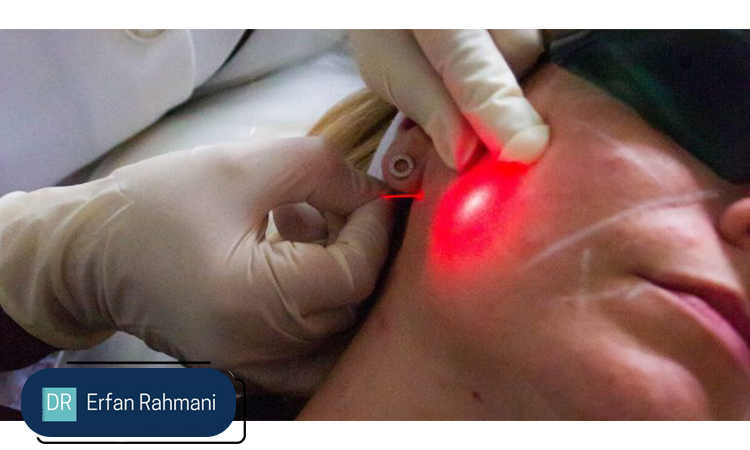
A well-defined jawline plays a key role in overall facial harmony, often associated with youth, symmetry, and attractiveness. As aesthetic standards continue to evolve, more individuals are seeking ways to enhance their jawline without undergoing invasive procedures. This has led to a growing demand for non-surgical treatments that offer visible results with minimal downtime.
One of the most innovative options available today is Endolift, a laser-based technique that targets both skin laxity and localized fat beneath the surface. At the same time, traditional surgical methods such as facelifts and liposuction remain widely used for more dramatic and long-lasting changes.
This raises an important question: in the context of Endolift for jawline contouring, can this minimally invasive treatment truly replace classic surgical approaches, or does each method serve a different purpose?
What is Endolift?
Endolift is a minimally invasive laser-based treatment designed to tighten skin and reduce localized fat without the need for surgery. It uses ultra-thin micro-optical fibers that are inserted just beneath the skin to deliver targeted laser energy directly into the subdermal layers. This precise approach allows the treatment to work from within, rather than only on the surface.
The laser energy stimulates collagen production, which helps improve skin firmness and elasticity over time. At the same time, it promotes lipolysis, meaning it breaks down small pockets of fat in areas such as the jawline and under the chin. By combining skin tightening and fat reduction in a single procedure, Endolift offers a modern solution for facial contouring with minimal downtime.
How Endolift Works for Jawline Contouring
Endolift works by targeting the underlying structures of the skin to reshape and define the jawline with precision. During the procedure, a fine laser fiber is inserted beneath the skin along the jawline and under the chin, delivering controlled energy to specific areas. This process tightens the skin from within by stimulating collagen production, leading to improved firmness and elasticity over time.
At the same time, the laser energy helps break down small fat deposits, particularly in the submental area (under the chin), which contributes to a more sculpted and contoured appearance. The combination of skin tightening and fat reduction makes Endolift especially effective for enhancing jawline definition.
Overall, it is ideal for individuals seeking natural-looking contouring results without the need for invasive surgery or dramatic alterations.
What is Classic Jawline Surgery?
Classic jawline surgery refers to surgical procedures designed to reshape and define the lower face, most commonly including facelift and liposuction. A facelift focuses on tightening loose skin and repositioning deeper facial tissues to restore a firmer, more youthful contour. Liposuction, on the other hand, removes excess fat deposits from areas such as under the chin and along the jawline.
These procedures are typically performed under local or general anesthesia, depending on the complexity of the case. While they can deliver dramatic and long-lasting results, they are more invasive compared to non-surgical options. Patients should also expect a longer recovery period, along with swelling and bruising. Despite these factors, classic surgery remains a highly effective choice for individuals with significant skin laxity or excess fat.
Endolift for Jawline Contouring vs. Surgery: Key Differences
When comparing Endolift for jawline contouring with classic surgical methods, the differences are significant in terms of approach, recovery, and results. Endolift is a minimally invasive procedure that does not require incisions or general anesthesia, making it a safer and more convenient option for many patients. In contrast, surgical procedures such as facelift and liposuction are more invasive and often involve anesthesia, incisions, and a longer healing process.
Recovery time is another key factor. Endolift typically involves minimal downtime, allowing patients to return to daily activities quickly, while surgery may require weeks of recovery. However, the level of transformation also differs. Surgical methods provide more dramatic and immediate changes, especially in cases of severe skin laxity or excess fat. Endolift, on the other hand, delivers more gradual, natural-looking improvements.
Ultimately, while Endolift offers a less invasive alternative, surgery remains the better option for those seeking significant structural changes.
Benefits of Endolift for Jawline Contouring
Endolift offers several advantages for individuals seeking a more defined jawline without undergoing surgery. One of its main benefits is that it is a minimally invasive procedure, meaning no incisions, stitches, or general anesthesia are required. This makes it a safer and more convenient option for many patients.
Another key advantage is the minimal downtime. Most individuals can return to their normal daily activities shortly after the treatment, making it ideal for those with busy lifestyles. In addition, Endolift stimulates natural collagen production, which gradually improves skin firmness and elasticity over time.
The results are typically subtle yet noticeable, providing a more sculpted jawline without an “overdone” appearance. This makes Endolift especially appealing for those who prefer natural-looking enhancements rather than dramatic surgical changes.
Limitations of Endolift
While Endolift offers many advantages, it also has certain limitations. It is not the best option for individuals with severe skin laxity or significant fat accumulation, as the results may be limited compared to surgical alternatives. The improvements are typically gradual, developing over time as collagen production increases, which may not suit those seeking immediate or dramatic changes.
Additionally, proper patient selection is essential for achieving optimal results. Endolift works best for individuals with mild to moderate concerns who have relatively good skin quality. Without the right indications, the outcome may fall short of expectations, making professional evaluation a crucial step before treatment.
When is Surgery a Better Option?
Surgical procedures become a better option when more advanced correction is needed. Individuals with severe skin sagging, especially in the lower face and neck, often require a facelift to achieve meaningful lifting and tightening. Similarly, those with larger or more stubborn fat deposits along the jawline or under the chin may benefit more from liposuction, which can remove fat more effectively than non-surgical methods.
Surgery is also ideal for patients who are looking for more dramatic and immediate results. Unlike Endolift, which provides gradual improvement, surgical treatments can significantly reshape facial contours in a single procedure. In such cases, the higher level of invasiveness is often justified by the more noticeable and long-lasting outcome.
Pain, Downtime, and Recovery
When comparing Endolift with classic jawline surgery, differences in pain, downtime, and recovery are significant. Endolift is generally well-tolerated, as it is performed with local anesthesia and involves minimal discomfort during and after the procedure. Patients may experience mild swelling or tenderness, but these effects usually resolve within a few days. Most individuals can return to their normal daily activities almost immediately.
In contrast, surgical procedures such as facelift or liposuction involve greater discomfort and require a longer recovery period. Swelling, bruising, and sensitivity can last for several weeks, and patients typically need time off before resuming regular activities. Overall, Endolift offers a much quicker and more convenient recovery experience.
Who is the Ideal Candidate for Each Option?
Endolift is best suited for individuals with mild to moderate skin laxity who want to improve jawline definition without undergoing surgery. It is ideal for patients who still have relatively good skin elasticity and are looking for subtle, natural-looking enhancement. Younger individuals or those in the early stages of aging often benefit the most from this approach.
On the other hand, surgical options are more appropriate for individuals with advanced skin sagging, excess fat, or loss of structural definition in the lower face. Age, skin thickness, and the severity of the concern all play a crucial role in determining the right treatment. Patients with thicker skin or more pronounced laxity typically achieve better results with surgical intervention rather than non-invasive methods.
Pros and Cons of Each Method
Endolift
Pros: Endolift is minimally invasive, requires no incisions, and involves little to no downtime. It stimulates collagen production and offers natural-looking results while also reducing small fat deposits. The procedure is quick and generally well-tolerated.
Cons: Results are gradual and may not be sufficient for severe skin laxity or significant fat accumulation. In some cases, additional sessions or complementary treatments may be needed to achieve desired outcomes.
Surgery
Pros: Surgical procedures such as facelift and liposuction provide more dramatic, immediate, and long-lasting results. They are highly effective for severe sagging and excess fat, offering significant contouring and structural improvement.
Cons: Surgery is invasive, requires anesthesia, and involves a longer recovery period with potential swelling, bruising, and higher costs. It also carries more risks compared to non-surgical treatments.
Conclusion
Endolift has emerged as a safe and minimally invasive solution for individuals seeking to enhance their jawline without the need for surgery. It offers gradual, natural-looking improvements with minimal downtime, making it an attractive option for patients with mild to moderate concerns.
However, surgical procedures remain the gold standard for those who require more dramatic and long-lasting results, especially in cases of severe skin laxity or excess fat.
In the comparison of Endolift for jawline contouring, there is no one-size-fits-all solution. The best choice ultimately depends on the individual’s skin condition, aesthetic goals, and professional medical advice.