
Acne Scar Treatment in Abu Dhabi | Improving Skin Texture with a Medical Approach
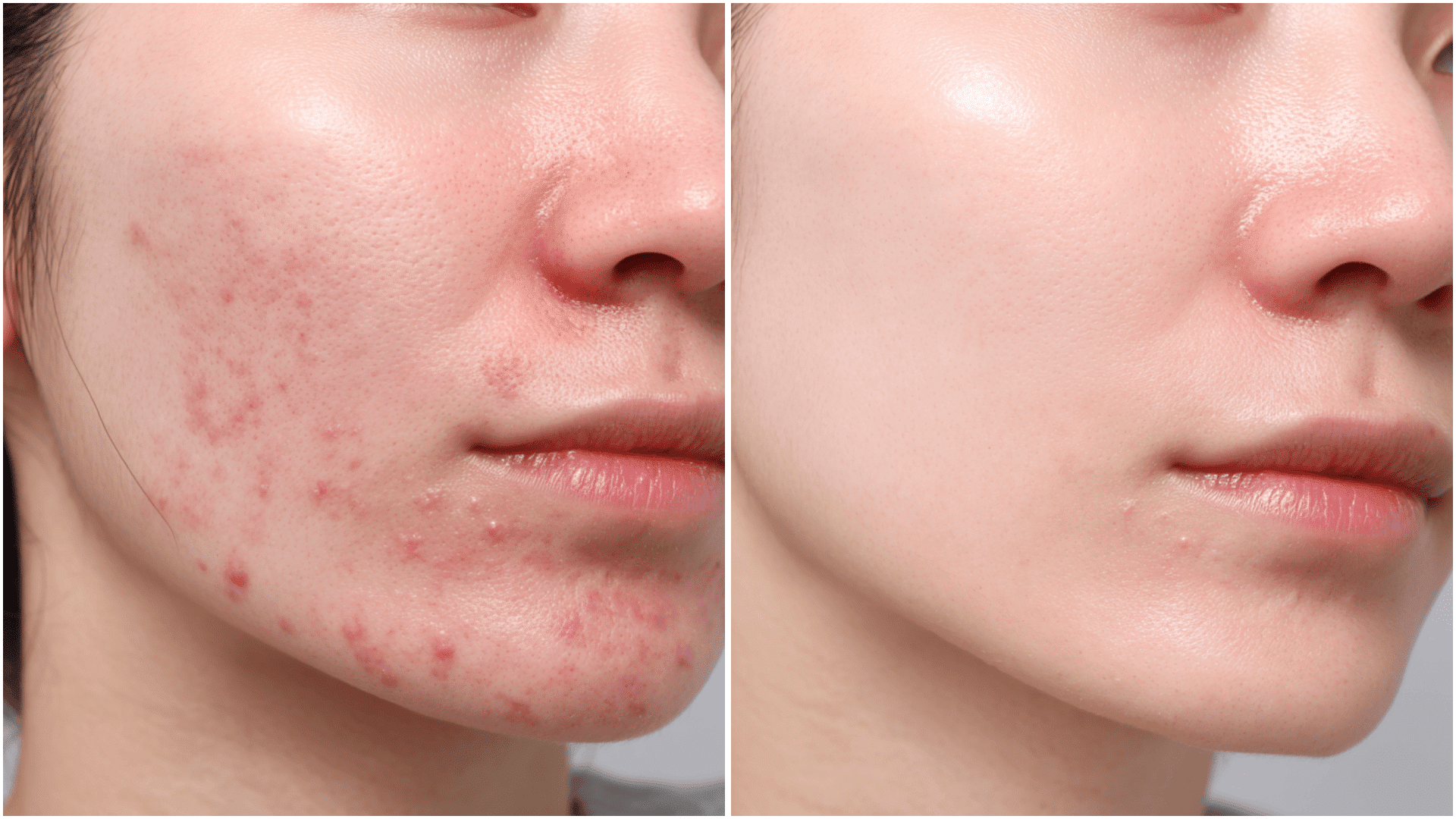
Acne scar treatment in Abu Dhabi is designed for individuals who want to improve the visible marks left behind after acne has healed. Unlike active acne, scars remain as a change in the skin’s texture, tone, or contour, and they often do not respond to regular skincare products alone. For many patients, acne scars can become a long-term concern because they affect the smoothness of the skin and may make the complexion look uneven even when breakouts are no longer present. A structured medical approach is important because different scar types require different treatment methods, and the best results usually come from a plan that is tailored to the skin rather than a one-size-fits-all solution.
Treatment planning for acne scars is never approached in a generalized way, as every patient presents a different pattern of skin response, healing behavior, and scar formation history. Instead of following a fixed protocol, the evaluation is guided by how the skin has structurally changed over time, how active the regeneration capacity appears, and how the tissue reacts to controlled stimulation. This detailed understanding allows the treatment strategy to be adjusted in a way that respects the limitations of the skin while gradually encouraging measurable improvement in texture and contour.
Understanding Why Acne Scars Form After Breakouts
Acne scars develop when inflammation during an acne breakout damages the deeper layers of the skin. If the skin does not heal evenly, it may leave behind a depressed scar, raised scar, or post-inflammatory marks that remain visible long after the pimple has healed. The more severe or prolonged the inflammation, the greater the chance of permanent textural change. In some cases, picking at acne lesions or delaying treatment can also increase the likelihood of scarring.
There are different forms of acne scarring, and each one behaves differently. Some scars appear as small indentations in the skin, while others create broader areas of uneven texture or discoloration. Because of this, acne scar treatment is not simply about treating the surface of the skin. It often requires methods that stimulate collagen production, encourage skin remodeling, and improve the way light reflects off the skin so that scars become less noticeable over time.
Different Types of Acne Scars and How They Affect the Skin
Acne scars are usually grouped into a few main categories, and understanding these differences is essential for choosing the right treatment. Atrophic scars are the most common and typically appear as depressions in the skin. These include ice pick scars, boxcar scars, and rolling scars. Ice pick scars are narrow and deep, boxcar scars are wider with sharper edges, and rolling scars create a wave-like uneven texture across the skin surface.
In addition to depressed scars, some patients may develop raised scars, which occur when too much collagen forms during healing. These scars can make the skin feel thick or uneven in certain areas. Many people also have post-acne marks, which are not true scars but rather changes in pigmentation that remain after inflammation has resolved. A thorough evaluation is necessary because the treatment plan for each type of scarring can be different, and combining the wrong methods may lead to limited results.
What a Medical Acne Scar Treatment Plan Usually Involves
A good acne scar treatment plan usually combines several techniques rather than relying on a single procedure. Since acne scars affect both the surface and deeper layers of the skin, treatment often needs to address texture, collagen loss, pigmentation, and skin renewal at the same time. Depending on the patient’s condition, the plan may include resurfacing procedures, collagen-stimulating treatments, or targeted techniques that release tethered scars and improve skin movement.
The most effective approach is one that considers the skin’s current condition, the type of scar present, and the patient’s overall goals. Some scars respond better to procedures that improve skin resurfacing, while others need treatments that work deeper in the skin to rebuild support from within. At Dr. Erfan Rahmani Aesthetics, the treatment strategy is designed to be gradual, safe, and appropriate for the patient’s skin type, ensuring that results improve steadily over time rather than appearing harsh or overcorrected.
How Acne Scar Treatments Improve Skin Texture Over Time
The main purpose of acne scar treatment is to stimulate the skin’s natural repair process. Many treatments work by creating controlled injury in the skin, which encourages collagen production and new tissue remodeling. As the skin heals, the scar edges become softer and the overall surface begins to look smoother. This process does not happen overnight, and most patients require more than one session to achieve a meaningful improvement.
Over time, the goal is to reduce the visual depth of scars, improve the evenness of the skin, and make the complexion look healthier and more refined. While complete removal of scars is not always realistic, a well-planned treatment can significantly reduce their visibility and improve the patient’s confidence. The best results usually come from combining the right procedure with patience and consistency, since skin remodeling continues for weeks and even months after treatment.

Treatment Options Commonly Used for Acne Scars
There are several medical options that may be considered for acne scar treatment depending on the scar pattern. Microneedling is commonly used to stimulate collagen and improve overall texture. Fractional laser treatment may be recommended for resurfacing the skin and reducing the visibility of scars. Subcision can be effective for tethered rolling scars by releasing the fibrous bands that pull the skin downward. In some cases, chemical peels or regenerative injections may also support the healing process and improve skin quality.
Not every treatment is suitable for every patient, and in many cases a combination of methods gives the best outcome. For example, deeper scars may need one procedure while surface irregularities and pigmentation may respond better to another. The treatment plan should be based on the skin’s condition, the depth of the scars, and how much downtime the patient can realistically manage. A careful consultation helps determine which option or combination of options is most appropriate.
What to Expect During Acne Scar Treatment
Before treatment begins, the skin is carefully examined to identify scar type, skin thickness, and any active acne or sensitivity. This assessment helps ensure that the procedure chosen is both safe and effective. In some cases, active acne may need to be controlled first before scar treatment starts, since treating inflamed skin can lead to irritation or poor healing.
During the procedure, the skin may be cleansed and numbed to improve comfort. Depending on the treatment method, the session may involve microneedling, laser application, injections, or a combination of techniques. After the procedure, the skin may appear red, warm, or slightly swollen, which is a normal response. Most treatments are performed on an outpatient basis, and recovery time varies depending on the intensity of the session. Patients are usually given clear aftercare instructions to protect the skin and support healing.
Recovery, Downtime, and When Results Become Visible
Recovery after acne scar treatment depends on the type of procedure used and the skin’s individual response. Mild treatments may involve only short-lived redness or sensitivity, while more intensive resurfacing procedures may require a few days of recovery. In most cases, patients are able to resume normal daily activities relatively quickly, although sun protection and gentle skincare are very important during the healing phase.
Results are usually gradual rather than immediate. Some patients may notice early improvement in texture within a few weeks, but collagen remodeling continues over a longer period. The skin typically becomes smoother and more refined with each session, and the full benefit of treatment may not be visible until several weeks or months later. This is one reason why setting realistic expectations is so important. Acne scar treatment can improve the skin significantly, but it usually works best as a step-by-step process.
Who Is a Good Candidate for Acne Scar Treatment
Acne scar treatment is suitable for people who have healed acne but continue to struggle with visible scarring, uneven texture, or post-acne marks. It is especially helpful for individuals who feel that their skin looks rough, pitted, or uneven despite using regular skincare products. Patients who are in generally good skin health and have realistic expectations tend to benefit the most from treatment.
A good candidate is also someone who is willing to follow aftercare instructions and complete more than one session if needed. Because acne scars are often stubborn, they usually require a thoughtful and consistent approach. A consultation is important to determine whether the skin is ready for treatment and which method is most appropriate based on scar type, skin tone, and treatment goals.
Why Professional Evaluation Matters Before Starting Treatment
Acne scar treatment should always begin with a proper medical evaluation because the wrong procedure can lead to limited improvement or unnecessary irritation. Different scar types respond differently, and some patients may also have active acne, sensitivity, or pigmentation issues that need to be addressed first. A professional consultation helps build a treatment plan that is specific to the skin rather than based on general assumptions.
At Dr. Erfan Rahmani Aesthetics, the focus is on careful assessment, conservative planning, and results that look natural. The objective is to improve the skin in a meaningful way while maintaining safety and balance. With the right treatment approach, acne scars can become noticeably less visible, and the skin can look smoother, healthier, and more even over time.