
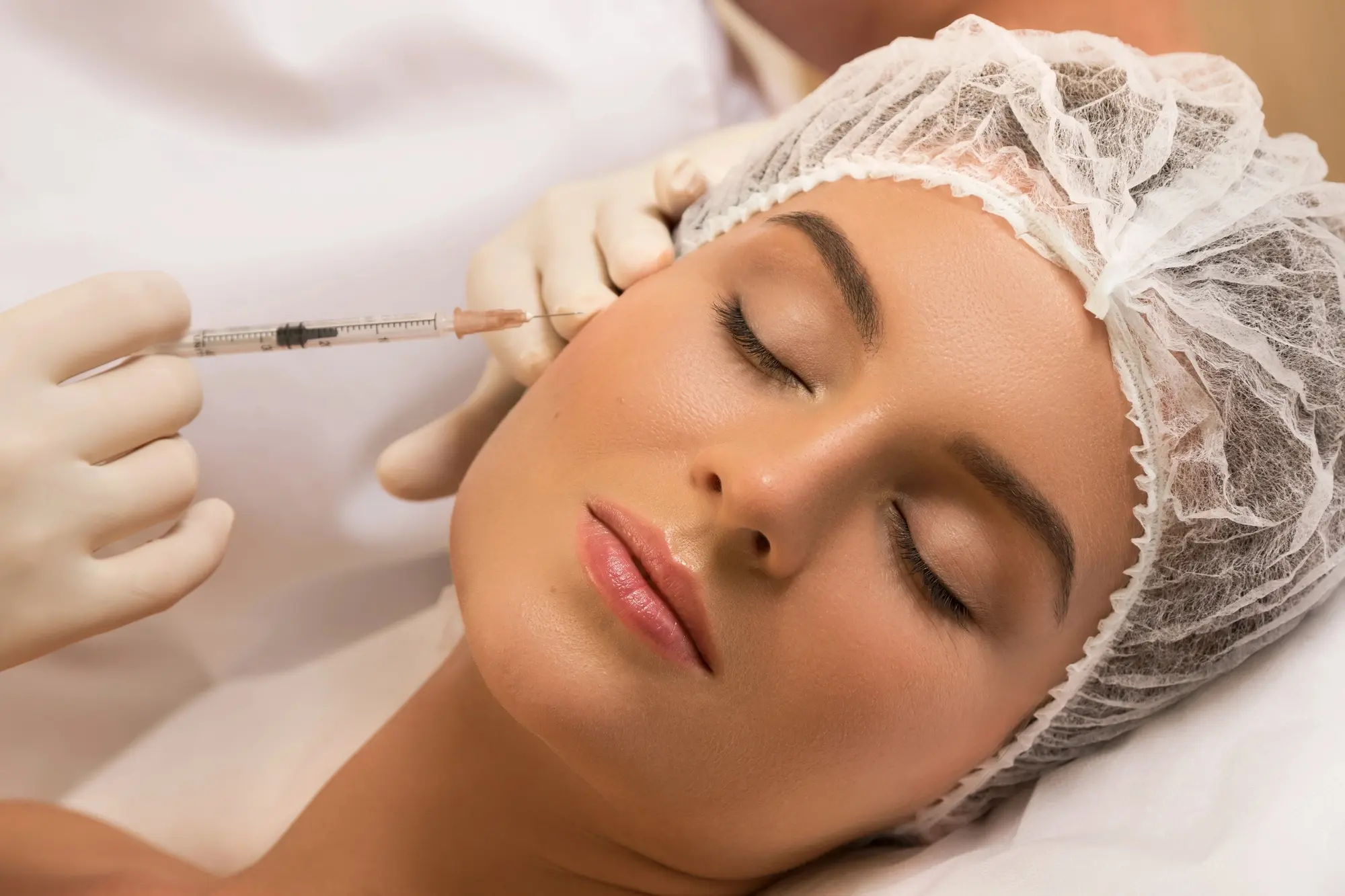
Can Biostimulators Be Combined with Botox, Dermal Fillers and Energy-Based Devices?
A closer look at the clinical evidence, safety data, and biological rationale behind combining CaHA, PLLA and PDLLA biostimulators with botulinum toxin, hyaluronic acid fillers, and energy-based devices.
Combination therapy is promising, and many included studies reported better skin texture, elasticity, tightening, contouring, scar improvement and patient satisfaction. But the review also emphasizes that protocols are heterogeneous, sample sizes are often small, safety reporting is inconsistent, and the biological mechanisms of “synergy” remain incompletely understood. The evidence supports thoughtful combination — not automatic stacking of procedures.
Combination Aesthetic Medicine Is Becoming the New Normal
Aesthetic medicine increasingly uses multiple treatment categories in the same patient because facial and body ageing is not caused by a single process. Volume loss, collagen decline, altered elasticity, repetitive muscle movement, photodamage, pigment change, textural irregularity and tissue laxity can coexist. It is therefore logical to ask whether treatments aimed at different biological targets can be combined to create a more complete result.
Biostimulators sit at the center of this discussion. Agents such as calcium hydroxylapatite (CaHA), poly-L-lactic acid (PLLA), poly-D,L-lactic acid (PDLLA) and polycaprolactone (PCL) are used not only for structural support but also for their ability to stimulate neocollagenesis and improve tissue quality over time.
The systematic review used for this article evaluated what happens when biostimulators are combined with other established aesthetic treatments, including botulinum toxin, hyaluronic acid dermal fillers, and energy-based devices such as microfocused ultrasound, high-intensity focused ultrasound, lasers, radiofrequency, microneedling radiofrequency and intense pulsed light.
The central idea is attractive: one treatment can address structure or collagen while another addresses muscle activity, surface texture, laxity, pigment or hydration. But biologic plausibility is not the same as proven clinical synergy. The review therefore examined both effectiveness and safety — and repeatedly emphasized how inconsistent the available evidence remains.
Important Distinction: A “combination treatment” is not automatically superior because it contains more procedures. The best combination is the one that addresses distinct patient-specific problems without unnecessarily increasing risk, downtime, inflammation or cost.
What Are Biostimulators?
Biostimulators are injectable or tissue-stimulating materials used to trigger regenerative responses, particularly new collagen formation. Their aesthetic effect may develop gradually and can include improved firmness, skin quality, contour and volume depending on product characteristics, dilution, placement and treatment objective.
Calcium Hydroxylapatite (CaHA): A biostimulatory filler used for structural support, contouring and—in diluted or hyperdiluted forms—skin-quality improvement and collagen stimulation.
Poly-L-Lactic Acid (PLLA) : A bioresorbable polymer that produces gradual tissue remodeling through an inflammatory and fibroblast-mediated collagen response.
Poly-D,L-Lactic Acid (PDLLA) : A lactic-acid polymer used for collagen stimulation and skin remodeling; the review included PDLLA in combination with microneedling radiofrequency for acne scars.
Polycaprolactone (PCL) : Recognized in the review as a biostimulatory agent, although the included combination-treatment evidence was dominated by CaHA, PLLA and PDLLA.
Why Combine Biostimulators with Other Treatments?
The rationale for combination treatment is to target complementary mechanisms. A biostimulator may provide gradual collagen remodeling while an energy device creates controlled thermal or mechanical injury; hyaluronic acid may add hydration or immediate contour; and botulinum toxin may reduce dynamic muscular forces. In theory, this can create a layered result that is more comprehensive than a single modality.
- Collagen Stimulation + skin Tightening: CaHA or PLLA combined with MFU-V, HIFU or RF microneedling.
- Collagen Stimulation + Resurfacing: PLLA or CaHA combined with fractional laser treatment.
- Biostimulation + Immediate Volume or Hydration: CaHA combined with HA filler.
- Biostimulation + Reduced Dynamic Tension: CaHA or PLLA combined with botulinum toxin.
- Biostimulation + Scar Remodeling: CaHA or PDLLA combined with CO2 laser, microneedling, HIFU or RF microneedling.
- Body tissue Remodeling: CaHA + MFU-V or PLLA + subcision for laxity, cellulite or contour-related concerns.
What Treatments Appeared Most Often?
Across the 29 included studies, CaHA was the most frequently represented biostimulator. The review also included PLLA, PDLLA, botulinum toxin A, hyaluronic acid fillers, exosomes, polynucleotides, microfocused ultrasound with visualization (MFU-V), fractional ablative CO2 laser, microneedling, radiofrequency microneedling and intense pulsed light. Treatment areas included the face, neck, decolletage, jawline, scars, thighs, knees, buttocks, abdomen, back, arms and other body regions.
CaHA Combination Therapy
CaHA + HIFU
The review identified studies combining CaHA with high-intensity focused ultrasound. In one study of 20 subjects with atrophic facial scars, the combination improved wrinkles and skin texture with effects reported over several months. The broader rationale is to pair CaHA-driven remodeling with deeper ultrasound-mediated tightening and tissue stimulation.
CaHA + Fractional Ablative CO2 Laser
For acne scars and texture irregularities, CaHA was combined with fractional ablative CO2 laser. A large retrospective study involving 352 subjects reported that the combination produced the highest Global Assessment Scale improvement scores among the compared approaches for acne scarring. This is a strong clinical signal, but the retrospective design and protocol variability limit how broadly the result can be generalized.
CaHA + Microneedling
Microneedling and CaHA were evaluated for stretch marks and scarring. In a study of 35 subjects with striae in different body areas, the combination produced significant Manchester Scar Scale improvement together with histologic evidence of increased collagen and elastin fibers. The logic is complementary: controlled micro-injury supports remodeling while CaHA provides deeper biostimulatory activity.
CaHA + Hyaluronic Acid Filler
Combining CaHA with HA attempts to blend immediate correction with longer-term tissue remodeling. Several included studies examined this pairing for facial augmentation, nasolabial folds, jawline contouring and age-related laxity.
| Study | Combination | Key Finding |
|---|---|---|
| Godin et al., 72 subjects | CaHA alone vs CaHA + HA | Satisfaction score 7.6 with CaHA versus 8.1 with the combination; 79% would recommend combined treatment. |
| Chang et al., 25 subjects | CaHA + HA for nasolabial fold / jawline / post-auricular treatment | Wrinkle scores remained improved; biopsy showed increased dermal collagen bundles without inflammation. |
| Fakih-Gomez et al., 41 subjects | CaHA + cohesive polydensified matrix HA | Significant jawline improvement with benefits persisting up to 12 months. |
| Felix Bravo et al., 15 subjects | CaHA + HA | All participants reported high satisfaction; ultrasound showed 11.1% increase in dermal thickness and improved dermal homogeneity. |
| Yutskovskaya et al. | CaHA + CPM-HA | Histomorphology showed increased elastic fibers, collagen and angiogenesis; phased administration appeared relevant to outcome. |
These findings support the concept that immediate volumization and hydration from HA can be layered with the regenerative effects of CaHA. They also highlight an important procedural point: how materials are sequenced and placed may influence tissue response.
CaHA + Botulinum Toxin A
Botulinum toxin does not directly replace lost volume or act as a classical injectable biostimulator. Its value in a combination plan is different: reducing muscle contraction can reduce mechanical stress on the overlying skin and may help stabilize the environment in which biostimulator-induced collagen remodeling occurs.
In a study of 10 subjects treated for chin projection using CaHA and incobotulinumtoxinA, 90% rated the chin profile as “very much improved” at 6 months and all subjects showed Global Aesthetic Improvement Scale improvement. Objective chin-projection scores also improved and were maintained at 1 and 6 months.
Another study of cervical-region laxity combined CaHA with incobotulinumtoxinA and reported strong clinical improvement, including high ratings at day 30 and improved corneometry at later follow-up in the combination arm.
Why This Pairing Is Different: CaHA and botulinum toxin target different components of facial aging: tissue structure / collagen versus dynamic muscular forces. That makes the combination biologically plausible, but the review still calls for better standardized trials before claiming a universal synergistic effect.
PLLA Combination Therapy: Collagen Stimulation Plus Resurfacing or Tightening
PLLA is a bioresorbable polymer that gradually stimulates collagen formation through a controlled inflammatory response. The included literature paired PLLA with fractional CO2 laser, intense pulsed light, microneedle fractional radiofrequency and subcision.
PLLA + Fractional Ablative CO2 Laser
This pairing is particularly relevant to scars and fine lines because fractional CO2 laser creates microscopic channels and resurfacing injury while PLLA provides a longer-term biostimulatory effect.
- Ex Vivo Abdominoplasty Skin: fractional CO2 channels were able to deliver PLLA into the tissue, supporting the concept of laser-assisted delivery.
- Atrophic Scars, 19 Subjects: 95% of scars improved at 3 months, with each assessed criterion improving by an average of at least 33%.
- Upper-Lip Wrinkles, 15 Subjects: after three treatments, computer-generated image analysis showed a 47% reduction in upper-lip wrinkle severity, and both subjects and blinded raters reported improvement.
Caution: Laser-assisted topical or channel-based delivery in published studies should not be assumed to be equivalent to standard injectable PLLA protocols. Product preparation, regulatory labeling, depth, device parameters and tissue condition matter.
PLLA + Microneedle Fractional Radiofrequency
In 32 subjects treated for facial skin laxity, PLLA combined with microneedle fractional RF produced significant laxity improvement and increased dermal thickness. In the study table, 43.44% reported improved laxity and 53.33% reported significantly improved laxity; facial laxity shifted from moderate toward mild, and dermal thickness increased without a corresponding change in the fat layer.
This pattern is attractive for patients in whom the objective is skin quality and tightening rather than fat reduction: RF creates controlled thermal injury and PLLA contributes delayed collagen stimulation.
PLLA + IPL
PLLA was also combined with intense pulsed light for facial photorejuvenation. In the reviewed study, 86.7% of patients reported at least mild photorejuvenation and 64.4% reported good-to-excellent correction. IPL targets pigment and photodamage while PLLA addresses deeper tissue remodeling, creating a multimodal approach to visible aging.
PLLA + Subcision
For cellulite and skin flaccidity of the buttocks and thighs, PLLA was paired with subcision. In a study of 24 subjects, 60% reported excellent or great improvement and 92% were satisfied or very satisfied. The concept is mechanically and biologically complementary: subcision releases tethering bands while PLLA supports tissue remodeling and collagen formation.
PDLLA + Microneedling Radiofrequency for Acne Scars
The review included a study of 42 subjects treated with PDLLA plus microneedling radiofrequency for acne scars. Scar appearance improved significantly, and histology at five months showed biodegradation of the PDLLA together with increased collagen and elastic fibers. The reported acne-scar grading score improved by 36.99%, while satisfaction improved by 79.65%, both statistically significant.
This is one of the clearer examples in the review where clinical outcomes were supported by histologic tissue change, but it remains a single study rather than a broad standardized evidence base.
What About Exosomes and Polynucleotides?
The review also discussed newer regenerative products. One study examined topical exosome infusion alone or used as a “skin primer” with CaHA after a complex skin-preparation protocol. Improvements in skin tone, texture and evenness were reported, with enhanced effects described when exosomes were used before CaHA.
Another randomized split-face trial evaluated microneedling RF with polynucleotides versus RF with saline in 30 patients with melasma. Both sides improved in melanin index, skin roughness and melasma severity, but the polynucleotide side did not demonstrate an additional benefit over RF alone.
Safety: Does Combining Treatments Increase Risk?
The review describes most combination treatments as generally well tolerated, but it also emphasizes that adding procedures increases complexity. The most frequently reported adverse effects were erythema, bruising, swelling, tenderness and local discomfort. These usually resolved spontaneously or with conservative care.
The abstract summarizes erythema, bruising and nodules in approximately 15–30% of cases across the included literature, while individual studies reported very different rates depending on treatment area, product, device and method. The authors therefore caution against treating any one percentage as a universal risk estimate.
| Combination | Area | Examples of Reported Adverse Events |
|---|---|---|
| PLLA + IPL | Face | 19% edema, 17% bruising, 10% erythema, 7% nodules after PLLA; 12% IPL discomfort. |
| Dilute CaHA + MFU-V | Lower thigh / knee | Bruising 63%, swelling 52%, nodules 37%, erythema 32%, sensitivity 26%, pain 21%, numbness 5%; mild and resolved by week 6. |
| CaHA + MFU-V | Buttocks / thighs | Mild bruising, pain, erythema, edema and occasional induration; reported as self-limited. |
| CaHA + MFU-V | Upper arm | Bruising reported in 92%, redness in 25%; one mild paresthesia resolved within two weeks. |
| CaHA + HA | Face / neck / decolletage | Injection-site reactions including erythema, ecchymoses, petechiae and occasional hematoma, resolving spontaneously. |
| PLLA + fractional laser | Upper lip | One prolonged erythema case lasting 2.5 months; no nodules reported in that study. |
| CaHA + microneedling | Stretch marks | Post-inflammatory hyperpigmentation in 2 cases; bruising, erythema and mild pain also reported, resolving. |
Delayed Erythema
The review describes occasional delayed erythema lasting beyond two weeks, particularly when CaHA or PLLA was combined with ultrasound or laser-based treatments. One cited neck/decolletage study reported delayed erythema in approximately 15% of patients. The review describes topical corticosteroids and, in persistent cases, pulsed-dye laser as management approaches.
Nodules and Palpable Lumps
The authors report nodules or palpable lumps in roughly 10–15% of patients in some combination protocols, especially those involving PLLA or CaHA with microneedling or RF microneedling. The timing could be delayed by weeks or months. Management described in the review included intralesional corticosteroids for inflammatory nodules, massage for PLLA dispersion in appropriate cases, and surgical excision for persistent lesions.
Granulomas
The review reports granuloma or firm inflammatory-mass formation in approximately 3–5% of cases in some protocols, typically months after treatment. The authors describe intralesional corticosteroids and consideration of excision for resistant lesions. Because safety reporting was inconsistent across the included studies, these numbers should be viewed as review-level descriptive estimates rather than precise incidence rates for every product and technique.
Vascular Complications and Tissue Necrosis
Rare vascular complications were reported in fewer than 1% of cases in the review, and tissue necrosis in fewer than 0.5%. These events were associated with filler injection rather than the energy device itself. HA-related occlusion management described in the review included high-dose hyaluronidase and supportive measures. CaHA is not enzymatically reversible with hyaluronidase, so prevention, immediate recognition and appropriate escalation remain critical.
Safety Priority: Combination therapy should not dilute the standard safety principles of injectables or devices. If anything, it increases the need for anatomy knowledge, patient selection, correct sequencing, conservative treatment, sterile technique, documentation, emergency readiness and follow-up.
How Might Combination Therapy Work Biologically?
One of the most interesting — and least settled — parts of the review concerns molecular synergy. The authors discuss plausible pathways involving fibroblasts, macrophages, transforming growth factor beta (TGF-beta), extracellular matrix remodeling and microRNAs. They repeatedly emphasize that these mechanisms are hypotheses or partially supported pathways, not fully established clinical explanations.
CaHA + Energy Devices: TGF-beta, Fibroblasts and Matrix Remodeling
- CaHA may promote TGF-beta expression and fibroblast activation, encouraging type I and type III collagen synthesis.
- CaHA-associated microinflammation recruits macrophages, which can signal fibroblasts and contribute to extracellular matrix deposition.
- Energy-based devices create controlled thermal or mechanical injury, potentially amplifying fibroblast signaling and remodeling.
- The review discusses miR-21 as a possible promoter of collagen synthesis, miR-146 as an inflammation-modulating signal, and miR-29 as a regulator that can limit collagen production. These pathways remain incompletely characterized in aesthetic combination therapy.
PLLA + Laser or RF: Lactic Acid, Macrophages and Controlled Inflammation
- PLLA gradually degrades to lactic acid, attracting macrophages and growth-factor signaling that can activate fibroblasts.
- Fractional laser or RF microneedling adds microthermal injury, potentially increasing the regenerative stimulus.
- The review discusses miR-155 and miR-125b as possible regulators of pro- and anti-inflammatory macrophage responses, with miR-21, miR-146 and miR-29 potentially contributing to collagen production and later remodeling.
- The specific collagen types, ratios and long-term molecular consequences remain under-investigated.
HA + IPL or RF: Hydration, CD44 and Fibroblast Signaling
The review proposes that HA can influence fibroblast activity through CD44 receptor signaling and downstream pathways such as MAPK, while IPL or RF microneedling adds controlled inflammatory signaling. The authors hypothesize that microRNAs including let-7 family members, miR-21, miR-146 and miR-29 may modulate tissue regeneration, inflammation and collagen deposition. Again, these pathways require direct mechanistic validation.
Botulinum Toxin + Biostimulators: Less Mechanical Stress?
Botulinum toxin may support biostimulator outcomes indirectly by reducing muscle contraction and dermal mechanical stress. The review hypothesizes that a more stable tissue environment could permit ongoing collagen remodeling and may influence TGF-beta and microRNA-regulated signaling. This is biologically plausible but not yet established as a definitive molecular mechanism in clinical combination protocols.
Do Not Oversell “Synergy”: The review explicitly identifies a lack of molecular understanding as a major evidence gap. It is scientifically safer to say that combinations may have complementary or potentially synergistic effects than to claim proven biochemical synergy.
The Biggest Weakness of the Evidence: Heterogeneity
The review's positive findings must be balanced against major methodological limitations. Study designs ranged from randomized trials to case series. Sample sizes varied substantially, follow-up periods were inconsistent, and different studies used different products, dilutions, doses, injection planes, device depths, energy settings, timing intervals and outcome scales.
- Molecular mechanisms were rarely studied directly.
- Many studies were small and lacked control groups.
- Long-term objective outcomes were often missing.
- Safety reporting was inconsistent across studies.
- Only a minority used advanced histology or imaging to confirm structural change.
- Many conclusions came from observational studies and case series, which are more vulnerable to bias.
- Because protocols were inconsistent, it is difficult to determine whether different outcomes came from the combination itself or from differences in technique.
Evidence Level: The journal assigned this review Level of Evidence IV. That does not make the findings unimportant, but it is a reminder that combination protocols should be treated as evolving evidence rather than universal standards of care.
What the Review Recommends in Practice
The authors emphasize individualized treatment selection, standardized risk assessment, careful documentation and informed consent. They also provide a recommendation table pairing treatment areas and indications with specific combinations. The table below preserves the review's suggested ranges, but they should be read as literature-derived examples — not device-agnostic protocols or a substitute for manufacturer instructions, local regulation or clinical judgment.
| Combination | Area | Main Indication | Ranges Reported in Review |
|---|---|---|---|
| CaHA + MFU-V | Lower face, neck, decolletage | Laxity, wrinkles, volume loss | CaHA 1.5–3 mL; MFU-V 3–4 MHz, 100–400 lines |
| CaHA + Microneedling | Neck, face, hands | Fine lines, wrinkles, texture | CaHA 1.5–3 mL; microneedling 0.5–2.5 mm |
| PLLA + Fractional CO2 | Face, neck, chest | Acne scars, laxity, deep wrinkles | PLLA 1.5–3 mL; fractional CO2 depth 100–300 µm |
| PLLA + RF Microneedling | Neck, face | Laxity, texture | PLLA 1.5–2 mL; RF MN 0.5–2 mm, 50–100 mJ |
| HA + IPL | Face, especially periocular / perioral | Photodamage, pigmentation, fine lines | HA 1–2 mL; IPL 515–1200 nm |
| CaHA + HIFU | Jawline / lower face | Tightening, contouring | CaHA 1.5–2.5 mL; HIFU 1.5–4.5 mm, 150–350 lines |
| PLLA + RF Microneedling | Face / neck | Texture, wrinkles | PLLA 2–3 mL; RF MN 1.5–2 mm |
| CaHA + Laser Resurfacing | Hands, neck, face | Age spots, fine lines, laxity | CaHA 2–3 mL; laser resurfacing depth 200–500 µm |
| HA + Microneedling | Face, cheeks, under-eyes | Hydration, texture, fine lines | HA 1–2 mL; microneedling 0.5–1.5 mm |
Clinician Note: Do not copy these ranges blindly. “MFU-V,” “HIFU,” “RF microneedling,” “fractional CO2” and even “CaHA/PLLA/HA” are not interchangeable categories. Device platform, cartridge depth, energy density, product rheology, dilution, anatomy, treatment interval and regulatory labeling can materially change safety and outcome.
Frequently Asked Questions
Can Sculptra/PLLA be combined with RF microneedling?
Yes, the review includes evidence for PLLA with microneedle fractional radiofrequency. A 32-subject study reported improved facial laxity and increased dermal thickness. The evidence is promising but does not establish one universal sequence, depth or energy setting.
Can Radiesse/CaHA be combined with HIFU or Ultherapy/MFU-V?
Yes. CaHA + MFU-V was one of the most frequently represented combinations in the review, with studies reporting improvements in laxity, firmness, jawline contour, neck/decolletage aging and several body areas. HIFU + CaHA was also studied, including for atrophic facial scars.
Can CaHA and hyaluronic acid filler be used together?
The review includes multiple studies combining CaHA and HA. Reported benefits included high satisfaction, improved contour, increased dermal thickness, collagen accumulation and some results lasting up to 12 months. Placement and sequence remain important.
Can Botox be combined with a biostimulator?
Yes. CaHA + incobotulinumtoxinA was studied for chin projection and cervical-region laxity. The rationale is complementary: botulinum toxin reduces dynamic muscle activity while the biostimulator addresses structure and collagen remodeling.
Can PLLA be combined with fractional CO2 laser?
Yes, and the review includes studies for atrophic scars and upper-lip wrinkles. One scar study reported improvement in 95% of scars at 3 months, while an upper-lip study reported a 47% reduction in wrinkle severity after three treatments. Technique and regulatory considerations are critical.
Does adding more treatments always improve the result?
No. The review is positive about combination therapy overall but repeatedly warns that evidence is heterogeneous and mechanisms are incompletely understood. A combination should be justified by anatomy and treatment goals rather than the assumption that more procedures are automatically better.
Are combination treatments safe?
Most reported adverse effects were temporary and mild, including erythema, bruising, swelling and discomfort. However, delayed nodules, granulomas, vascular compromise and rare necrosis were also reported. Safety depends heavily on patient selection, product choice, anatomy, technique, device use and post-treatment monitoring.
What is the evidence for PDLLA with RF microneedling?
A 42-subject study in the review reported significant acne-scar improvement and histologic increases in collagen and elastic fibers. Scar grading and satisfaction improved substantially, but broader confirmatory trials are still needed.
Do polynucleotides add benefit to RF microneedling for melasma?
In the randomized split-face study included in the review, both sides improved, but adding polynucleotides did not produce a measurable additional benefit over RF with saline control.
Are exosomes proven to improve CaHA results?
The review describes one study suggesting improved skin quality when exosomes were used as a primer before CaHA, but it also raises major regulatory and characterization concerns. The finding should not be generalized to all exosome products.
What is the biggest unanswered question?
Standardization. The literature varies in product doses, dilution, device settings, treatment order, intervals, endpoints and follow-up. Molecular mechanisms and long-term safety also remain incompletely defined.
What is the best approach to combination rejuvenation?
A problem-based plan: identify the main anatomical and biological drivers of aging, choose the minimum set of complementary treatments needed to address them, sequence them carefully, and reassess before adding more intervention.