
The short answer: what are dermal fillers?
Dermal fillers are medical products placed into or beneath selected soft tissues to restore lost volume, modify facial contours, soften certain folds, improve asymmetry or support structural proportions. The term describes a family of materials rather than one interchangeable treatment. Most contemporary aesthetic consultations center on hyaluronic acid (HA) gels, while calcium hydroxylapatite (CaHA), poly-L-lactic acid (PLLA), selected permanent materials and a person’s own fat have different properties, timelines and risk profiles.
The most important decision is not simply how many milliliters to inject. It is whether the concern is truly caused by volume loss, where support is needed, which product is appropriate for that tissue, whether the anatomy presents disproportionate risk and whether a non-filler treatment—or no treatment—would be the better option. Good results come from diagnosis, measured correction and a plan that preserves individual expression.
For patients exploring dermal fillers in Abu Dhabi, a responsible consultation should explain both everyday effects such as bruising and rare but serious problems, including arterial occlusion, skin injury and visual complications. HA fillers can often be reduced with hyaluronidase, but reversibility is not an absolute guarantee of an uncomplicated outcome. For urgent warning signs, see the emergency safety section below.
Key facts at a glance
- Most familiar filler:cross-linked hyaluronic acid gel, which generally gives visible contour or volume immediately, with swelling temporarily changing the early appearance.
- Other major options:CaHA (including Radiesse), PLLA (including Sculptra), autologous fat, certain collagen-based materials and selected permanent agents. These are not equivalent substitutes.
- Main treatment goals:lips, cheeks, chin, jawline, folds, some atrophic scars and hand volume loss. Each area has different evidence, anatomy and approved indications.
- Results:some products create immediate contour; collagen-stimulating treatments build improvement over weeks or months. Maintenance and durability vary widely.
- Common recovery:temporary tenderness, swelling, redness and bruising. The timing and intensity vary with treatment site and technique.
- Serious warning signs:disproportionate pain, white/gray/dusky skin, a mottled pattern, visual symptoms or stroke-like symptoms need immediate medical assessment.
- Clinical principle:preserving anatomy, respecting personal identity and avoiding overcorrection matter more than chasing a single social-media trend.
Why facial rejuvenation is more complex than filling a wrinkle
Aging is a three-dimensional process. Facial bone support changes; deep and superficial fat compartments remodel; retaining ligaments and connective tissue behave differently; the skin becomes thinner or less elastic; and repetitive muscle movement etches expression lines. Sun exposure, weight change, genetics and personal habits further alter the appearance. A crease visible at the mouth is not always caused by a local deficit that should be filled directly.
Consider a pronounced nasolabial fold. In one patient, soft-tissue descent and midface deflation may be the dominant factors; in another, the fold is part of normal anatomy and would look unnatural if fully erased. In an individual with heavy lower-face tissue, adding more material can increase bulk rather than create an elegant outline. The same principle applies to under-eye hollows that coexist with puffiness, a chin that looks small because of skeletal position, or lips whose concern is shape rather than size.
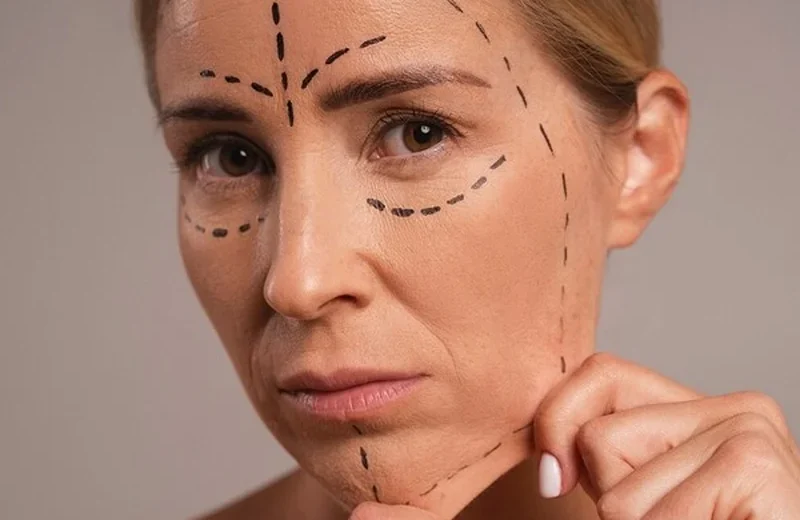
A medical aesthetic assessment therefore considers the face frontally, at an oblique angle, in profile and during movement. It should identify the exact change a patient hopes to see and then distinguish what filler can reasonably address from what requires another modality. The goal is an individual face—not an identical result reproduced across many patients.
What are the main types of dermal fillers?
Fillers may be grouped by material, by how they act, or by how long their effect remains. An older scientific classification called products temporary, semipermanent or permanent. That remains useful historically, but durability is not a precise on/off switch: the clinical effect, residual material and new collagen do not necessarily disappear at the same moment.
| Material | Principal mechanism | General clinical timing | Can ordinary HA dissolver remove it? | Key distinction |
| Hyaluronic acid (HA) | Hydrophilic gel supplies tissue support/volume | Usually immediate; then settles | Often, yes with hyaluronidase | Broad range of gel properties and indications |
| Calcium hydroxylapatite (CaHA) | Gel carrier gives support; microspheres stimulate collagen | Initial support plus longer remodeling | No | Site/product selection especially important |
| Poly-L-lactic acid (PLLA) | Gradual collagen stimulation | Develops over weeks–months | No | Usually planned as a staged biostimulatory course |
| Autologous fat | Transferred patient’s own tissue | Immediate initial volume, variable retention | No | Surgical harvest, processing and variable survival |
| Collagen fillers | Direct soft-tissue augmentation | Typically immediate | No | Historically important; availability differs greatly |
| PMMA and other permanent materials | Persistent particles or non-absorbable implant material | Often immediate plus tissue response | No | Difficult or impossible to reverse; late complications |
These are categories, not a purchasing guide. Specific products differ in permitted treatment areas, manufacturing, rheological properties, labeling, local registration and evidence. An indication approved in one country must not be assumed to apply in the United Arab Emirates. The most suitable product for a lip is often not the product selected for a chin, cheek or hand.
1. Hyaluronic acid fillers: the most versatile category
Hyaluronic acid is a naturally occurring glycosaminoglycan present in the body’s extracellular matrix. It binds water and contributes to tissue hydration and the behavior of surrounding structures. Injectable aesthetic HA is engineered into gels whose properties are chosen for particular tissues and aesthetic purposes. Unlike a skin-care serum, a cross-linked HA filler is an implanted medical device and should be treated with the same clinical seriousness as any injection procedure.
The term cross-linking describes a manufacturing process that makes an HA gel more resistant to rapid breakdown. Two formulations carrying the same number of milligrams of HA can behave very differently in tissue. Cohesivity, elasticity, viscosity, swelling tendency, concentration, integration and how a product moves with facial expression all influence its clinical use. There is no sound basis for declaring that the highest concentration or firmest product is automatically the best.
A firmer, more supportive formulation may be considered in a suitable structural contour area, whereas a more flexible preparation may suit a mobile region. Highly hydrophilic formulations can attract water, which is especially relevant where edema or puffiness is a concern. A product’s manufacturer’s indications, the clinician’s familiarity with the gel and the anatomy of the treatment region matter far more than the color of its packaging.
Many HA products contain lidocaine to improve comfort. This does not remove the need to review anesthetic allergy history or explain procedure discomfort. Most importantly, the ability to use hyaluronidase in selected HA-related complications gives clinicians an additional management option; it does not eliminate vascular risk, guarantee complete correction or make an unsuitable indication acceptable.
Are Juvéderm and Restylane the same thing?
Juvéderm and Restylane are families of HA products, not single gels with one universal consistency or longevity. Individual formulations are designed, evaluated and labeled differently. It is inaccurate to assume that all Juvéderm products are softer than all Restylane products, or that all products within one family perform identically. In a consultation, ask the practitioner to name the exact product, explain why it was selected for the intended area and document the batch and manufacturer.
Older research also names products such as Hylaform, Prevelle, Macrolane, Esthélis and specific historical formulations of Restylane and Juvéderm. Such names are useful when reading the evolution of filler technology, but a product mentioned in a 2010 paper should not be presented as currently approved, available or recommended without present-day verification. Clinical standards evolve, as do products, labeling and local regulatory permissions.
Why natural results depend on rheology and anatomy
Two patients may each receive HA filler yet require different gels, distributions and goals. A broad cheek support problem is not equivalent to a small perioral contour concern. The lips move constantly, the lower eyelid has thin covering tissue and the chin is influenced by bone projection and muscular activity. Product choice must respect these differences. A natural result is also dynamic: it should look plausible while smiling, talking and resting—not only in a still photograph.
2. Calcium hydroxylapatite (CaHA): support and collagen remodeling
Calcium hydroxylapatite products such as Radiesse contain microspheres dispersed in a carrier gel. The carrier can create an initial contour effect in appropriate indications, while the particles are associated with a subsequent tissue response and collagen remodeling. Because of this combined behavior, CaHA is commonly discussed as both a filler and a biostimulator. It is not a synonym for HA, and ordinary hyaluronidase will not dissolve CaHA microspheres.
Clinicians may consider certain CaHA formulations for selected facial contours or hand rejuvenation where their indications, tissue characteristics and the patient’s goals make them appropriate. Concentration or dilution strategies used for skin quality are different from techniques intended to project a specific contour. The terminology matters: a hyperdiluted biostimulation treatment should not be advertised as if it will provide the same immediate mechanical lift as a structural filler.
CaHA also demonstrates why safety is area-specific. The lip is not generally an appropriate site for conventional CaHA filler because of the risk of palpable nodules and poor aesthetic integration. Other thin-skin regions require special caution. Choice should be grounded in manufacturer labeling, current training and local authorization rather than extrapolation from promotional content.
3. Poly-L-lactic acid (PLLA): a gradual biostimulator
Poly-L-lactic acid, represented by products such as Sculptra, is a biodegradable synthetic polymer used to encourage collagen formation over time. It behaves differently from an HA gel intended to shape a lip during the same appointment. The visible effect develops gradually as tissue responds, and a treatment plan may be divided into sessions based on the product’s approved protocol and individual goals.
This gradual process is sometimes a major advantage for patients seeking a subtle evolution of facial volume rather than a conspicuous immediate transformation. It also requires patience: an unchanged appearance in the first few days is not necessarily evidence that treatment has failed. Equally, the visible swelling or liquid carrier present immediately after injection should not be mistaken for the full long-term result. The practitioner must explain realistic timing before treatment, particularly if a patient has a major event approaching.
Nodules and inflammatory reactions remain possible, and PLLA cannot be dissolved with hyaluronidase. Its suitability depends on the treatment area, product labeling, prior procedures, tissue thickness and the practitioner’s expertise. A sound consultation distinguishes collagen stimulation from direct soft-tissue replacement and does not promise that one treatment will indefinitely stop the aging process.
4. Autologous fat: tissue transfer rather than a ready-made syringe
Autologous fat grafting uses tissue obtained from the patient’s own body, typically by a surgical harvesting process, then prepares that tissue for transfer to selected areas. It is often discussed alongside fillers because its aesthetic purpose includes volume restoration. However, it has a different treatment pathway: harvesting, processing, tissue viability, procedural environment and recovery must be considered.
Not all transferred fat survives permanently, and initial postoperative volume includes swelling. The amount retained can vary, making small refinements or future procedures necessary. Benefits can persist for a long time in selected patients, but an individual durability estimate is uncertain. Fat grafting may be attractive for some larger volume deficiencies while being a poor substitute for precise small-scale contour work in other circumstances.
The 2010 source paper correctly identified fat as an important option in the history of facial rejuvenation. Contemporary informed consent must additionally recognize surgical risks, fat necrosis, contour irregularity, infection, anesthesia considerations and whether a non-surgical treatment would provide a simpler or safer approach.
5. Collagen fillers: historically important, less central today
Earlier dermal filler practice included bovine, human and porcine collagen preparations. These materials helped establish injectable wrinkle correction and the idea that skin lines can be treated with distinct textures and product viscosities. The original review names historical collagen products including Zyderm, Zyplast, Cosmoderm, Cosmoplast and Evolence. Those names are part of the scientific record; they are not a list of products necessarily stocked or approved today.
Certain animal-derived collagens required allergy testing, and duration tended to be shorter than for many modern HA formulations. The broader lesson is still relevant: animal origin, cross-linking, immunogenicity and implant behavior affect product suitability. A patient should never assume that an unfamiliar filler is safe simply because the ingredient sounds biologically familiar. Nor should someone assume that a product being ‘natural’ or ‘collagen-based’ means it can be easily removed if a reaction occurs.
For a 2026 Abu Dhabi blog, collagen fillers belong mainly in the educational and historical comparison rather than as an automatic frontline recommendation. Product-level status must be checked afresh wherever it is offered.
6. Permanent fillers, PMMA and polyacrylamide: why caution matters
Permanent and difficult-to-remove products were once promoted for durability and reduced need for repeated visits. The source review discusses polymethyl methacrylate (PMMA) microspheres, hydroxyethyl methacrylate combinations, polyacrylamide gels and injectable silicone. Their composition, tissue response and regulatory status vary, but an important shared issue is that a persistent material can turn an initial aesthetic problem into a long-lasting medical problem.
Some permanent fillers can trigger delayed lumps, inflammatory reactions, migration or granulomas months or years after placement. Depending on the material and anatomical site, surgical or specialist interventions may be necessary and a completely satisfactory reversal may not be possible. Infection and immune triggers can complicate assessment long after the original injector or clinic is no longer involved.
The US FDA does not approve injectable liquid silicone for cosmetic facial or body enhancement and expressly warns about severe harm from unapproved uses and needle-free injection devices. Such information should not be confused with whether a specific PMMA product has a limited separate approval for a defined indication. ‘Permanent’ is never equivalent to ‘maintenance-free,’ and a lower cost per year is not a sufficient reason to accept a less reversible implant.
7. Newer and combination products: separate innovation from evidence
The scientific landscape continues to change. Depending on jurisdiction, practitioners may encounter polycaprolactone (PCL) collagen-stimulating fillers, combinations of HA with a biostimulatory component, and products positioned between skin boosters and traditional fillers. A hybrid material may be designed to offer both early contour and later remodeling, but the proportions, mechanism, durability and safety of one hybrid cannot be applied automatically to another.
The source paper’s chapter titled ‘New Dermal Fillers’ dates to 2010 and names products such as Atlean, Laresse, Easy Agarose, Esthélis and Macrolane. Today those references are best read as a historical snapshot of attempts to extend longevity, improve tissue integration and manage unwanted effects. It would be misleading to call that 2010 list today’s newest technology or to infer their current market authorization.
Patients should ask: Is the exact product registered for the intended indication? Is it a volumizer, a biostimulator or a skin-quality injectable? Does the result emerge immediately or over time? What evidence supports it, and what happens if the outcome is unwanted? An unfamiliar brand should prompt more careful discussion, not an automatic assumption of superiority.
Fillers versus skin boosters, polynucleotides and Botox: not interchangeable
Dermal filler typically refers to a product intended to replace volume or create contour. Skin boosters are often chosen with skin hydration, surface quality or fine-texture improvement in mind, although formulations and regulatory categories differ. Polynucleotide products have distinct biological claims and must be judged according to the actual product and local regulation. They should not be marketed as a direct substitute for mechanical cheek or chin projection. Botulinum toxin changes muscle activity rather than replacing lost soft-tissue volume.
Combining different modalities can be appropriate when there are clearly separate problems to address—for example, muscle-driven expression lines together with volume loss. But a combination plan is not automatically better, especially in the same anatomical area or when several modalities increase swelling and make assessment more difficult. The underlying question remains: what is causing this particular person’s concern, and what treatment matches that cause?
What concerns can dermal fillers help improve?
A filler consultation is most useful when the practitioner identifies a particular contour, asymmetry or volume deficit instead of suggesting injections to every visible line. The sections that follow explain commonly requested areas, their realistic potential and their limitations. The existence of an indication in a historical research article does not make it a currently licensed indication for every product. In higher-risk zones, the best decision may be to avoid filler entirely.
Lip fillers: shape, proportion and movement
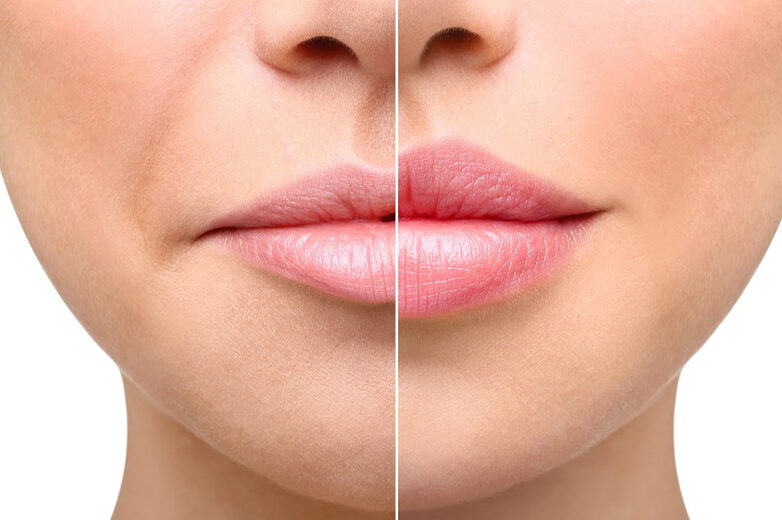
The lips can be treated to restore age-related volume loss, refine a vermilion border, improve selected asymmetries or modestly change projection. Yet the most attractive enhancement is not necessarily the largest: upper-to-lower lip balance, the Cupid’s bow, dental support, philtrum, profile and how the lips move all influence the result. A deliberately subtle correction can be more technically demanding than simple enlargement because it must respect natural anatomy.
HA is frequently preferred for lip augmentation because product selection is flexible and hyaluronidase can be considered when clinically indicated. Early swelling often exaggerates size, so the outcome should not be judged on the treatment day. Previous filler, migration, scar tissue, history of cold sores and any prior dissolution are all relevant. Large-volume corrections may need to be staged, and patient goals should be aligned before the syringe is opened.
Related service information: https://drerfanrahmani.com/services/lip-filler/. This educational article complements the service page; it is not a substitute for a personal consultation.
Cheek and midface filler: support without a heavy appearance
The midface loses or redistributes volume with age. In selected patients, carefully planned cheek augmentation can soften transitions, alter the appearance of hollows or improve proportions. However, more cheek filler is not always more youthful. Excess projection can widen the face or produce a round, immobile appearance, particularly if the concern is actually skin laxity, eyelid bags or tissue descent rather than volume loss alone.
Assessment considers malar shape, eye-cheek junction, facial width, profile, soft-tissue mobility and the distribution of loss. A mature face may benefit from contour restoration that remains visible in changing light, whereas a younger face may need no augmentation at all. The objective is to restore coherence between features, not manufacture the same prominent cheekbone in every patient.
Chin and jawline filler: structural proportion and limits
Chin and jawline augmentation are usually discussed in terms of profile balance, symmetry, prejowl contour and lower-face definition. The chin may look relatively recessed because of skeletal position, dental relationships or soft tissue; treatment plans should distinguish those causes. Injectable filler can change the apparent contour in a suitable case, but cannot correct all skeletal deformities, dental malocclusions or significant tissue laxity.
The lower face also changes with weight fluctuation and facial movement. Overfilling can make the chin excessively long, broad or heavy. Some patients seeking a sharp jawline may need a weight, skin or neck-focused assessment rather than added volume. The best discussion includes likely improvements from different viewing angles and the trade-off between projection and natural expression.
Nasolabial folds, marionette lines and the prejowl sulcus
Nasolabial folds form part of normal facial structure, and their visibility increases with aging, facial movement and loss of surrounding support. A deep crease is not a diagnosis on its own. The practitioner needs to decide whether there is a local depression, a nearby loss of support, or broader skin descent. Filling only the visible line without considering the midface can create unwanted bulk or a distorted smile.
Marionette lines descend from the mouth corners, while the prejowl sulcus is a lower-face contour transition near the chin. They may appear together but respond differently to treatment. An injection plan can be conservative and staged, or another modality may be preferred when the major problem is laxity or a heavy jowl. Completely erasing natural movement-related folds is not a reliable measure of quality.
Under-eye filler and tear troughs: a selective, high-caution area
The under-eye is an anatomically unforgiving area with delicate tissue, prominent vascular connections and a tendency to reveal swelling or irregularity. Some depressions are suitable for carefully selected HA treatment, but many perceived dark circles come from pigmentation, prominent vessels, shadowing, fat bags or skin quality. Adding volume to an already puffy or fluid-retaining area can make appearance worse.
The older review describes tear-trough correction as a familiar indication; contemporary practice must give greater attention to persistent edema, the Tyndall effect, visibility of product, vascular events and the possibility that a patient is not a filler candidate. No needle or cannula technique removes the potential for severe complications. A qualified assessment should discuss alternatives, including non-filler measures or surgical opinion when bags are dominant.
Related reading: https://drerfanrahmani.com/services/under-eye-ha-filler/ and https://drerfanrahmani.com/services/ha-fillers-vs-polynucleotides-undereye/.
Nose filler: possible contour change, disproportionate risk
Non-surgical nasal reshaping is often marketed as a quick way to smooth a bridge, camouflage a minor contour irregularity or alter perceived projection. What marketing frequently omits is the exceptionally important vascular anatomy of the nose and its connections to the ophthalmic circulation. Filler in this region has been associated with skin necrosis, permanent visual impairment and blindness. A patient cannot assume safety merely because the procedure does not require an operating theatre.
The FDA lists the nose among areas for which it has not approved dermal filler injection. Approvals and rules vary by country, but this is a clear signal that an online aesthetic claim should not be mistaken for established safety. Some patients need a surgical rhinoplasty assessment; others may be better served by no intervention. No clinician can promise zero visual risk in a vascularly connected region.
Forehead, glabella and temples: anatomy comes first
The forehead, glabella and temples raise distinct issues. Temporal hollowing can be a genuine volume change, yet superficial vessels and deeper pathways require an experienced clinician’s anatomical judgment. The glabella and forehead have documented severe vascular complications and are not simply ‘wrinkles that need filler.’ In many expression-dominant concerns, botulinum toxin or a different treatment is more appropriate.
The older source discusses combining glabellar fillers with toxin and describes certain injection approaches. This historical discussion is not a present-day recommendation for routine glabellar filler, nor should specific older techniques be treated as proof of reduced blindness risk. Modern informed consent must prioritize contemporary warnings and an individualized risk–benefit decision.
Atrophic acne scars: selected depressions, often combined treatment
An atrophic scar is a depressed area caused by loss or tethering of dermal tissue. Certain depressions can be lifted or softened using a suitable filler, but the scar type matters. Ice-pick, boxcar and rolling scars differ in their depth, anchoring and response to treatment. A tethered rolling scar may require subcision, while surface texture may respond better to laser resurfacing or microneedling under appropriate conditions.
Fillers are therefore one tool within scar management, not a universal solution to all acne scars. Results depend on whether the scar is distensible, the amount of fibrosis, prior procedures and ongoing acne activity. Evidence should be discussed separately for HA, biostimulatory approaches and procedures designed to release tethering. Photographs taken in matched lighting are essential when evaluating improvement.
Hand rejuvenation and earlobe support
Visible tendons, vessels and loss of subcutaneous fullness can give the backs of the hands an aged appearance. Selected HA or CaHA products may improve contour when used according to their approved indications. The decision also depends on pigmentation, skin thinning, sun damage and whether volume loss is actually the dominant concern. Hand treatments deserve the same careful medical assessment as facial injections, including vascular and swelling risks.
Earlobes may develop creases or loss of plumpness with age, and limited filler correction can sometimes improve how they support earrings. This is a smaller, less common indication in the literature. Cosmetic significance does not remove the need to review prior piercings, scars, tissue thickness and product appropriateness.
Body filler and large-volume enhancement: a separate safety conversation
Injectable filler for breast or buttock enlargement is not the same clinical decision as a modest facial correction. Large quantities, deep placement, product persistence and unapproved materials can substantially alter the risk profile. The FDA specifically warns against dermal filler and injectable silicone use for body contouring and enlargement in several sites, including breast and buttock augmentation. Availability in social-media advertisements should not be treated as evidence of authorization.
Any body treatment should be evaluated product by product under current local regulations and within the practitioner’s defined privileges. A proposed procedure that depends on an uncertain source product or an unlicensed indication should not proceed merely because it is advertised as ‘non-surgical.’ Surgical consultation or another scientifically established option may be more appropriate.
Filler treatment for men: identity-preserving planning
Male facial contouring may involve chin, jawline, midface asymmetry or age-related deflation. Some patients prioritize angularity and others simply want a rested appearance. Masculine and feminine facial proportions vary across individuals and cultures, and there is no single anatomical template that every person should follow. A clinician must ask what aesthetic identity the patient wishes to preserve.
Even a small augmentation can substantially change frontal width or profile. The value of conservative planning is especially apparent when treating a patient who wants a result that is not obviously detectable by colleagues, family or friends. The same risk discussion and consent requirements apply irrespective of gender.
Who is a good candidate for dermal filler—and who may not be?
A good candidate is not simply anyone who requests a certain number of syringes. Suitability depends on the source of the concern, overall health, relevant medication, prior filler history, anatomy, tolerance for uncertainty and a realistic picture of what injectable treatment can achieve. The practitioner should ask why the patient wants a particular change, how long the concern has been present and whether photographs or filters have influenced the desired outcome.
A consultation is especially important before elective treatment when there is: active infection or inflammation near the site; a history of severe allergic reaction to ingredients or local anesthetics; recent dental infection or procedure; recurrent herpes simplex at the lips; a significant bleeding disorder; prior permanent filler; an inflammatory condition under assessment; or a previous serious filler reaction. Pregnancy and breastfeeding usually lead to deferring elective treatment because good safety evidence is insufficient, not because every ingredient has been proven to cause harm in those circumstances.
Older literature sometimes lists autoimmune disease or immunosuppression as universal contraindications. In current practice, these situations require an individualized review of disease activity, treatment and evidence rather than an automatic one-line verdict. Patients prescribed anticoagulants or antiplatelet drugs should not stop them without the prescribing clinician’s guidance. Avoiding an unnecessary procedure may be wiser than risking a medical problem to reduce a cosmetic bruise.
The best result of a professional consultation is sometimes a recommendation against filler, or against filler in the exact region the patient initially requested. Refusal of an unsafe procedure is not a failure to provide service; it is part of safe medical practice.
A thorough consultation: the questions worth asking
A strong appointment begins with a medical history, not a product sales pitch. The discussion should cover previous filler type and date, previous dissolution, medication and allergies, recent illness, dental work, planned travel, prior cosmetic surgery, weight change, and the patient’s preferred degree of visibility. The clinician may evaluate skin quality, resting symmetry, muscle activity, bone projection and the distribution of soft tissue.
Photography, where consented to, supports objective planning and follow-up. Images should be taken in consistent lighting and at similar angles; before-and-after photography is easily distorted by a different camera distance, makeup or facial expression. Patients should know how images may be stored, whether they will be used for marketing and how consent can be withdrawn where applicable.
The treatment discussion should then identify an anatomical target, describe product options and their limits, explain whether the proposed use is within the relevant labeling, and address why an alternative procedure might be better. Patients should hear what level of swelling is realistic, when they may look socially presentable, how long the result is expected to last and what the clinic will do if complications appear after closing hours.
A practical consent checklist includes the exact filler, its batch or lot information, estimated amount, total price, potential need for staged treatment, expected benefit, imperfect outcomes, common adverse effects, emergency warning signs and the availability of appropriate follow-up. Consent is a conversation that improves decisions; a signature alone is not enough.
How an appointment typically proceeds
After assessment and consent, the practitioner cleans and prepares the skin, may use an appropriate local anesthetic, and marks or rechecks relevant landmarks. Product placement and overall distribution are chosen according to the intended outcome and anatomical risk. Patient movement and facial expression may be reassessed during the session. The goal is a balanced effect with the least treatment necessary to produce a worthwhile change.
Some results are visible immediately because the gel itself alters contour; however, early tenderness and swelling can obscure subtle details. The clinician may recommend waiting for tissue settling before deciding on any refinement. For collagen-stimulating agents, the schedule and visible effect are different; the patient should not mistake the absence of an instant effect for failed treatment.
A responsible clinic records what was placed, where and when, and gives clear aftercare instructions that distinguish routine post-treatment findings from emergencies. It should be possible to contact an appropriately trained team if unexpected symptoms develop. A photograph of the finished procedure is not a substitute for those safeguards.
Needles, cannulas and injection patterns: what patients should understand
Historic teaching describes linear threading, serial puncture, radial fanning and crosshatching. These terms describe the broad pattern in which material is distributed, not a guarantee of safety or a fixed template for every patient. Their importance is conceptual: the pattern should correspond to tissue needs and the selected product. The old review also emphasizes matching technique, depth and material—a principle that remains relevant even as anatomy and safety knowledge have evolved.
A blunt-tip cannula may reduce certain entry-point injuries or bruising under some conditions, while a needle may provide precision in other contexts. However, neither instrument eliminates vascular occlusion or other complications. Risk depends on anatomical location, tool characteristics, operator expertise, injection behavior, tissue planes and patient factors. Simple claims that a cannula is ‘100% safe’ or that one technique is universally superior should be treated skeptically.
The specific injection plan is a professional decision made after direct examination, not a reproducible instruction for patients to follow at home. Needle-free ‘hyaluron pen’ devices do not become medically equivalent merely by being described as non-invasive; the FDA warns against their use for delivering dermal fillers. Patients should seek care from appropriately qualified and licensed professionals using legitimate medical products.
How much filler is enough? Why milliliters are not the goal
A syringe volume is a quantity of product, not a measure of aesthetic success. The same amount can have a very different visible effect in a thin lip, a strong chin, a deflated cheek or a narrow temple. Fluid retention, tissue thickness and the gel’s behavior also matter. There is no clinically sound one-size-fits-all formula such as ‘everyone needs 1 mL per area’ or ‘more syringes always create a better lift.’
For a first treatment, staged conservative correction offers an opportunity to assess tissue response and avoid unnecessary bulk. Patients who repeatedly top up without reviewing residual filler may gradually lose their original proportions. This cumulative pattern can be more difficult to see when photographs are taken immediately after each session or when a patient becomes accustomed to increasing volume.
A good consultation defines the endpoint in terms of proportion, symmetry and function. That endpoint may be reached with a modest quantity, with staged treatment, or with no injectable product at all. The clinician should be comfortable recommending less filler than the patient expected when that is the safer or more aesthetically coherent plan.
Recovery after dermal fillers: an honest timeline
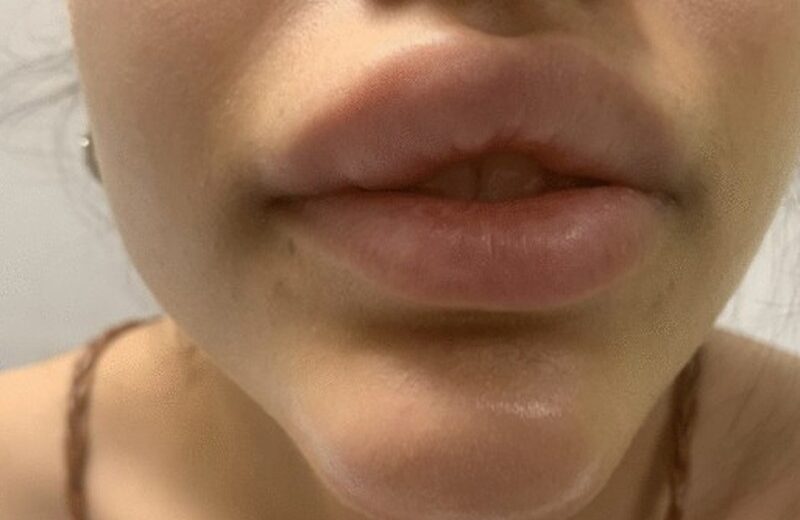
Most patients can return to routine light activities relatively quickly, but that does not mean the appearance is immediately final or that every treatment has ‘zero downtime.’ Swelling and bruising can be conspicuous, especially in the lips and under-eye region. Some people develop almost no visible marks; others need more time before an important event or professional photograph.
| Period | What may be normal | What changes the plan |
| During treatment and first hours | Local tenderness, pinprick marks, early edema | Unusual intense pain, blanching, mottling, vision or neurological changes |
| Days 1–3 | Swelling, mild soreness, some asymmetry from edema | Progressively worsening pain, marked discoloration or severe swelling |
| Days 4–7 | Bruising often fades; edema may remain in some areas | Increasing warmth, spreading redness, fever or expanding tender nodules |
| Weeks 2–4 | Many HA results look more settled; review may be appropriate | Persistent lumps, irregularity, worsening edema or new inflammatory symptoms |
| Weeks to months | Collagen-stimulating effects may develop gradually | Late inflammation or a new lump should still be evaluated |
These descriptions are not diagnostic rules. A person with an alarming symptom should not wait for a scheduled two-week review because a table suggests that ‘some swelling is normal.’ Conversely, minor transient puffiness should not be automatically labeled an infection. The clinical context and progression matter more than a rigid day count.
Aftercare: what to do and what not to assume
Follow the instructions for the actual product and treatment area rather than a viral aftercare checklist. Early care generally prioritizes keeping the area clean, avoiding unnecessary pressure or manipulation, and using sensible measures to limit irritation. Makeup timing, exercise, sleep positions and heat exposure can differ among procedures and clinicians. Your treating team should explain when ordinary activities can safely resume.
Do not vigorously massage, squeeze or attempt to reposition a new filler unless your treating clinician specifically instructs it for that product and circumstance. Do not attempt to dissolve filler at home or use an online ‘filler dissolving’ kit. If bruising is your only concern, medication changes still require appropriate advice; never discontinue prescribed blood-thinning therapy on your own to optimize a cosmetic outcome.
Plan elective appointments around major events rather than assuming that bruising can always be hidden. Allow additional time when treating a region known to swell prominently or when undergoing a first procedure with uncertain tissue response. A planned follow-up is valuable because it can identify whether a small apparent asymmetry reflects normal settling, baseline anatomy or a genuine need for adjustment.
How long do dermal fillers last?
Duration is influenced by product formulation, site, dose, individual metabolism, tissue motion and what outcome is being measured. A filler may continue to be detectable after its original visible aesthetic effect has changed. Equally, collagen formed in response to a biostimulator may contribute to appearance after much of the original product has degraded. A marketing statement promising a fixed number of years to every patient is rarely defensible.
The American Academy of Dermatology lists broad typical intervals of approximately 4–12 months for HA gels, 6–12 months for CaHA and 1–3 years for PLLA, with substantial variation in real-world circumstances and among formulations. These ranges are educational summaries, not warranties or a replacement for product-specific studies. Some modern HA indications may show improvement outside those ranges; an individual plan should rely on the exact product and follow-up findings.
The right time for maintenance is when the original aesthetic concern meaningfully returns and the tissues still support a sensible correction. An automatic repeat injection every few months, regardless of residual material, can contribute to unwanted fullness. ‘Long lasting’ should be understood in relation to reversibility, potential late adverse events and the future changes of the face.
Immediate side effects versus complications: the essential difference
Expected short-term effects may include redness, tenderness, pressure, bruising, mild swelling and small injection marks. Their frequency depends on anatomical site, patient physiology and the treatment performed. These reactions generally improve, but not every unexpected change should be attributed to routine healing. The key distinction is the pattern of symptoms, their progression and whether circulation, infection or a significant inflammatory reaction might be involved.
Potential complications include nodules, asymmetric or excessive correction, persistent edema, filler visibility, a bluish Tyndall appearance, migration, infection, delayed inflammation, foreign-body granulomas, vascular occlusion and very rare ophthalmic or neurological injury. Permanent filler materials can create treatment challenges long after the original placement. No practitioner should present injectable soft-tissue augmentation as a completely risk-free beauty service.
A practical safety explanation should be understandable to non-medical readers, while also emphasizing that diagnosis and management belong to trained clinicians. The following sections explain the warning signs and what kind of prompt response they justify—without encouraging self-treatment.
Vascular occlusion: the complication every filler patient should know
An accidental interruption of blood flow is among the most consequential potential filler complications. It may occur if material enters a vessel or otherwise compromises perfusion, causing ischemia of the supplied tissue. The resulting injury can include skin necrosis, scarring and, in certain facial vascular networks, visual impairment or stroke. These outcomes are uncommon, but the consequences are serious enough that any clinical service offering fillers must have a plan for prompt recognition and escalation.
Seek immediate medical attention for unusually intense or escalating pain, skin that turns pale, white, gray or blue, a new mottled or net-like discoloration, rapidly developing abnormal coolness or a significant change in vision. Stroke-type symptoms—facial weakness, speech difficulty, unilateral weakness, severe sudden headache or confusion—are emergencies. Visual symptoms require immediate emergency evaluation, not an appointment the following day.
Warning signs do not always follow a textbook sequence, and absence of severe pain does not entirely exclude injury. A medical professional must evaluate the region and act without unnecessary delay. In HA-associated cutaneous occlusion, current clinical literature discusses prompt hyaluronidase-based management by trained clinicians and urgent referral when appropriate. Protocols are professional, setting-dependent and should not be implemented from a consumer website.
The 2010 review recognizes cutaneous necrosis but describes management options that have since been updated or debated. Modern guidance gives stronger priority to rapid recognition, anatomical risk awareness and contemporary protocols. In particular, blindness management is a specialized medical emergency; there is no home method, massage trick or dissolver guarantee that reliably prevents permanent visual injury.
Why nose and periocular injections need an especially conservative decision
Facial arteries form networks that may connect injection territories to structures around the eye. Because of those connections, certain regions—including the nose, glabella, forehead and periocular area—require exceptional caution. The risk profile is not captured simply by comparing the number of milliliters used. A small amount in a dangerous vascular setting can be more consequential than a larger amount in an appropriately selected lower-risk region.
Many adverse-event papers describe techniques intended to mitigate risk, but no standard technique makes ocular embolization impossible. Routine aspiration cannot reliably confirm that an injection is outside a vessel. Product choice, experience and technique are important but cannot justify saying an area is risk-free. In some cases the correct advice is not to inject.
From a patient perspective, the most useful questions are whether the practitioner has a strong reason to treat the area, whether a safer alternative exists, what the expected benefit is compared with the potentially severe complication, and whether the practitioner and facility have the preparedness to manage an emergency. The patient’s ability to decline an elective procedure is a fundamental part of informed consent.
Lumps and nodules: not every bump has the same cause
A small lump appearing immediately after a procedure may reflect focal swelling, bruising, product distribution or a true superficial irregularity. A firm area emerging weeks or months later may have a different explanation, such as delayed inflammation, a foreign-body response or an infection-related process. Appearance, tenderness, warmth, distribution, timeframe and prior filler history all affect the differential diagnosis.
Persistent nodules should be assessed rather than automatically massaged or dissolved. Depending on circumstances, a clinician may consider examination, imaging such as high-frequency ultrasound, observation, targeted medication or other intervention. If an HA-related contour problem is confirmed and dissolution is appropriate, hyaluronidase may be useful; it is not an all-purpose answer for a non-HA implant or every inflammatory process.
CaHA and PLLA require product-specific knowledge because they may create nodules but are not broken down by ordinary HA dissolver. Permanent fillers can be especially difficult to correct. A patient who does not know what was injected in the past should share photographs, receipts and product records if possible, and avoid a blind ‘top-up’ over an uncertain material.
Tyndall effect, superficial filler and visible irregularity
The term Tyndall effect is commonly used for a blue-gray appearance that can develop when certain HA gels are visible through thin tissue, especially under the eyes. Discoloration in this region is not always a Tyndall effect: pigmentation, veins, shadowing, bruising and edema may create similar appearances. Correct diagnosis matters because the treatments differ.
A visible ridge or beaded contour can also arise when product is not appropriate for the tissue or has been placed in a way that produces surface irregularity. Early edema can exaggerate minor findings, but a persistent change requires review. Depending on the confirmed cause, treatment may involve observation, targeted correction or HA dissolution. Patients should avoid attempting manipulation based on social media images that look similar but represent a different condition.
Filler migration and the problem of cumulative overfilling
Migration describes filler material moving or appearing outside the originally intended contour. It may be related to anatomy, product behavior, tissue movement, placement, pressure or repeated treatment. The term is also sometimes used loosely for an overfilled or swollen appearance without objective confirmation of movement. These distinctions are clinically relevant because the corrective plan differs.
Cumulative overfilling is a separate but related concern. A person can gradually adapt to an increased volume, particularly when appointments are spaced apart and previous filler remains. Even if every individual treatment was modest, the combined effect may no longer harmonize with the face. Standardized photographs and a willingness to pause treatment can help prevent further escalation.
The safest response is not always to add filler to hide a previous irregularity. A careful assessment may recommend allowing swelling to resolve, reviewing available records, using appropriate imaging or considering targeted management. Professional restraint often produces a better long-term result than serial correction of a poorly defined problem.
Delayed inflammatory reactions and granulomas
Some adverse reactions appear weeks, months or even years after an injection. They may present as swelling, induration, tenderness or nodules, sometimes after an unrelated illness or other immune stimulus. The word ‘granuloma’ has a specific histopathological meaning and should not be applied automatically to every lump. True foreign-body reactions are particularly important when discussing older or non-absorbable materials.
The source article includes clinical and histology images illustrating an inflammatory reaction associated with permanent fillers. They provide useful educational context, but the exact photographs belong to the original publisher and cannot be placed into public marketing material without appropriate rights and consent. Moreover, a historical treatment response described in a small case report is not a contemporary standard of care for all granulomas.
Management can be complex and may involve distinguishing infection, biofilm-associated processes, delayed hypersensitivity and a sterile inflammatory response. The exact implanted material is extremely useful information. Patients should avoid unsupervised antibiotics, steroid injections or attempts to squeeze lesions, all of which may delay correct diagnosis or worsen tissue injury.
Infection, herpes and post-treatment inflammation
Injectable treatment breaches the skin barrier, so infection prevention and sterile technique matter. Expanding redness, increasing warmth, discharge, fever or worsening tenderness should prompt a clinical assessment. Yet infection is not the only cause of redness or a late lump; inflammation and ischemia can look similar early in some cases. This is why diagnosis should guide treatment rather than indiscriminate medication use.
People with recurrent oral herpes should disclose that history before perioral injections because procedures may precipitate reactivation in some patients. Whether antiviral prophylaxis is appropriate depends on the clinician’s assessment and history. Active cold sores or local skin infection are reasons to defer elective injections until the condition has been properly managed.
The best prevention begins before treatment: genuine regulated products, sterile supplies, an appropriate clinical environment, careful history and clear follow-up. If new symptoms develop after treatment, a recent filler history should be mentioned to any clinician evaluating the patient, even when the symptoms appear well after the injection date.
Allergies, hypersensitivity and medical history
Filler allergies are uncommon but not impossible. Possible triggers depend on the product, manufacturing components, associated anesthetic or other exposure. Older animal-derived collagens had particular testing considerations, while modern HA products generally do not require routine animal-source skin testing. Nevertheless, claiming that HA ‘can never cause allergy’ is inaccurate.
Patients should disclose any previous severe reaction to fillers, local anesthetics, latex or relevant agents and explain whether they have had reactions following dental work, vaccines or other procedures. This history does not predetermine a single diagnosis but helps the treating professional plan appropriately. Emergency preparedness is also necessary for rare severe allergic reactions.
For patients with complex autoimmune conditions or long-term immunomodulatory treatment, a tailored risk assessment may involve the treating medical specialist. A single internet checklist cannot determine whether an individualized elective procedure is appropriate.
Can filler be dissolved? What hyaluronidase can and cannot do
Hyaluronidase is an enzyme that can break down hyaluronic acid and is used by trained clinicians for selected unwanted HA results and certain urgent complications. Its effectiveness depends on the underlying problem, the material present, how much is accessible and the patient’s clinical situation. More than one assessment or intervention may sometimes be needed. Dissolution can have its own adverse effects, including swelling and allergic reactions, and does not guarantee that tissue will immediately return to a perfect pre-treatment state.
Aesthetic dissolution and emergency management are not the same problem. A small unwanted HA contour may be handled after clinical assessment, whereas suspected vascular occlusion requires urgent action by suitably trained clinicians. Neither situation should be treated with a self-injection kit. Hyaluronidase does not dissolve CaHA, PLLA, PMMA, silicone or most other non-HA materials; attempting to use it as a universal reversal method creates false reassurance.
If the patient has an unknown filler from years earlier, identification may require records and sometimes ultrasound or specialist consultation. A carefully documented filler history prevents hazardous assumptions in the future.
Combining fillers with Botox, lasers, RF and Endolift
Not every sign of aging is a volume problem. Dynamic crow’s feet and glabellar expression lines are often better assessed as muscle-related concerns. Surface pigmentation, acne scars, photodamage and textural changes may respond to skin treatments rather than added filler. Laxity, fat distribution and neck contour sometimes call for energy-based devices, surgical advice or no treatment, depending on the degree of change and the patient’s goals.
A combination strategy may include botulinum toxin to reduce selected muscle activity, fillers for specific volume deficits, skin-directed treatments for texture or other modalities for laxity. The purpose should be explicit. When a patient’s main concern is heavy tissue, indiscriminately adding filler can increase apparent fullness without producing a meaningful lift. When a patient primarily wants wrinkle softening, adding structural filler may be unnecessary.
The original 2010 review briefly considers laser and radiofrequency exposure around existing fillers. Its cited pilot studies do not prove that every modern device, energy setting, timing or filler combination has identical safety. The sensible contemporary approach is to plan sequence and intervals with the treating physician, taking account of the precise device, tissue depth, recent injections and existing complications. Claims that any laser will instantly dissolve all filler—or that no energy device can ever interact with filler—are both overstatements.
Where Endolift, RF-based tightening or other aesthetic procedures are under consideration, the consultation should determine whether the aim is lifting, fat reduction, tissue remodeling or restoration of lost volume. Some patients may benefit from multiple staged modalities; others will get a more coherent result by choosing one carefully indicated procedure.
Choosing between filler and no filler: a practical decision framework
The patient-friendly way to make a good decision is to start with the diagnosis rather than the product. A line caused by facial movement needs a different discussion from a stable contour depression. Apparent hollowness caused by shadows differs from loss of actual volume. A puffy under-eye does not behave like an empty tear trough. A weak chin viewed in profile may reflect skeletal relationships that a syringe cannot fundamentally change.
| Main concern | Questions to clarify | Possible conversation | Important limitation |
| Thin lips or uneven outline | Is the goal definition or substantial size? | Suitable HA lip options and conservative planning | Swelling changes early appearance; migration and lumps possible |
| Flattened midface | Is the issue volume, descent or both? | Structural assessment, filler or alternative strategies | More volume does not automatically lift tissue |
| Under-eye shadow | Is it hollowing, bags, pigment or edema? | Careful differential diagnosis; often alternatives | High-caution area; persistent swelling and vascular risk |
| Strong expression line | Does it change with movement? | Neuromodulator or skin approach where suitable | Filler may not address the primary mechanism |
| Blunted jawline | Is it skin laxity, fat, bone or contour? | Individualized jawline/chin assessment | Heavy tissue may look bulkier with more filler |
| Depressed acne scar | Is the scar tethered or distensible? | Subcision, resurfacing or selected filler | One material rarely solves all scar types |
| Body enlargement | What product, volume and approved indication? | Specialist evaluation and discussion of alternatives | Unapproved large-volume fillers can cause severe harm |
The decision framework is a conversation starter, not a diagnostic chart. A direct examination remains necessary for an appropriate recommendation. The best clinician should be able to explain not only why a filler could help, but also why not and what findings would change the plan.
Dermal filler prices in Abu Dhabi: what the quotation should include
The price of filler treatment in Abu Dhabi varies with the exact brand and formulation, treatment area, amount needed, clinic resources, professional expertise and whether follow-up or staged care is included. Price comparison is difficult if one advertisement refers to a small amount of product while another includes a full syringe or a broader facial plan. A low advertised cost should never replace verification of product authenticity, appropriate indications and emergency preparedness.
A transparent consultation should distinguish a consultation fee from the cost of treatment, identify the product to be used, explain the proposed quantity and clarify whether VAT or follow-up fees apply. Patients should request an estimate before agreeing to the procedure. A future correction or dissolution, if clinically required, may involve additional fees; the clinic should explain its policy rather than implying that all possible problems are included.
There is no reliable universal answer to ‘How much does one face of filler cost?’ because a comprehensive plan is individualized. Quoting a fixed total without examining anatomy can create pressure to use the purchased amount, even when less would be preferable. Safety and suitability are more important than buying the greatest milliliter volume for the lowest price. For current quotations, use the site’s verified consultation channel rather than relying on a historical article price.
How to choose a dermal filler doctor in Abu Dhabi
An aesthetic procedure should be performed by an appropriately licensed clinician with relevant training, anatomical knowledge and familiarity with the specific product and indication. Good communication is as important as visual portfolios. The clinician should be willing to describe serious complications, discuss alternative approaches and document the precise material used. No numerical claim about the number of procedures performed proves that a given result is guaranteed.
Ask how a complication would be managed, what emergency supplies and referral arrangements exist, and whom to contact outside normal clinic hours. Review before-and-after photography with attention to consistent lighting, angles and facial expression. Be cautious if photos show only the most dramatic changes, if the source of an injectable is unclear or if you are urged to make an immediate decision based on a limited-time discount.
For someone seeking treatment in the UAE, also confirm that the facility and practitioner are appropriately authorized for the procedure and that the product is used in accordance with applicable local regulations. The presence of a brand’s FDA approval in the United States does not automatically establish local authorization for a different anatomical use. A detailed, individualized consultation is more meaningful than a generic online list of the ‘best’ filler providers.
Patient questions that matter more than the marketing slogan
A strong clinical conversation can be summarized in eight questions: What exact anatomical change are we treating? What is the diagnosis? Why choose this product rather than an alternative? Is this an appropriate indication in this jurisdiction? What result can reasonably be expected and when? What is the worst plausible complication and how would it be addressed? What might be left behind after the visible effect fades? And what will we do if the result is not in harmony with my face?
The answers may lead to a modest HA correction, a staged biostimulator course, treatment of an entirely different concern, or postponement. That decision is not less valuable merely because it uses fewer syringes. Patients deserve language that acknowledges uncertainty and makes clear which recommendations are evidence-based, which are clinical judgment, and which are genuine preferences of the individual receiving care.
Common filler myths versus medical reality
| Claim often seen online | More accurate interpretation |
| ‘All dermal fillers are made of hyaluronic acid.’ | HA is common, but CaHA, PLLA, collagen, fat and permanent fillers also exist. |
| ‘A filler lasts exactly 12 months.’ | Durability depends on product, site and individual response; no fixed timeline is guaranteed. |
| ‘A cannula cannot enter a blood vessel.’ | Cannulas may change some risks but do not eliminate vascular injury. |
| ‘Filler in the nose is risk-free because it is non-surgical.’ | Serious vascular and visual complications have been reported. |
| ‘Any filler can be dissolved.’ | Hyaluronidase targets HA, not most non-HA materials. |
| ‘More syringes mean a better facelift.’ | Overcorrection can look heavy or unnatural; laxity is not always a volume issue. |
| ‘A late lump must be product migration.’ | Late nodules have several possible causes, including inflammation or infection. |
| ‘The most expensive brand is always best.’ | Correct product selection and anatomical judgment matter more than the label alone. |
| ‘A treatment with little downtime has no risks.’ | Rare serious complications are still possible even when routine recovery is short. |
| ‘FDA-approved means approved for every facial zone worldwide.’ | Approval is tied to products, specific indications and jurisdictions. |
Frequently asked questions about dermal fillers in Abu Dhabi
1. What is the difference between dermal filler and Botox?
Dermal fillers usually add support, restore volume or refine contours. Botulinum toxin reduces selected muscle activity and is often used for dynamic expression lines. They can address different problems and may sometimes be used in a coordinated plan, but one is not an automatic substitute for the other.
2. Which dermal filler is generally used most often?
Hyaluronic acid is widely used because it is versatile, produces relatively prompt results and can be treated with hyaluronidase in selected circumstances. However, the best product depends on the site, clinical objective, tissue behavior and individual medical history. No single gel is ideal for every facial area.
3. How are HA filler, Sculptra and Radiesse different?
HA gels primarily create an immediate filling or contour effect. Sculptra (PLLA) works mainly through gradual collagen stimulation. Radiesse (CaHA) can provide initial structural effect and subsequent biostimulation in appropriate indications. Their reversal options and site restrictions differ; they should not be chosen interchangeably.
4. Are dermal fillers safe?
Dermal fillers have an established role in aesthetic medicine, but no injectable is completely risk-free. Most adverse effects are relatively minor and temporary, while rare vascular complications can cause permanent injury. Appropriate patient selection, licensed products, qualified practice and emergency preparedness are essential.
5. How long do hyaluronic acid fillers last?
Duration varies by formulation, anatomical site and individual response. The AAD gives a broad typical range of four to twelve months for HA gels, with some products or areas differing. A patient should ask for data related to the exact product and intended treatment rather than assuming a universal duration.
6. Do fillers make your face age faster?
There is no simple evidence-based rule that appropriately selected filler automatically accelerates aging. However, repeated excessive treatment can distort proportions and complicate how natural aging is perceived. A good long-term plan reassesses changing anatomy rather than trying to preserve the same injected volume indefinitely.
7. Can filler look completely natural?
A subtle, proportionate result is often possible, but it depends on anatomy, expectations, product behavior and technique. ‘Natural’ does not mean the complete removal of every fold. Preserving individual movement and identity, especially during expression, is often more important than maximizing volume.
8. Can I have facial fillers if I already have old filler?
Sometimes, but the treating practitioner first needs to understand what product was used, where it was placed and whether material remains. Previous permanent filler or repeated HA injections may affect both planning and complication management. Records, standardized photographs and ultrasound can sometimes help clarify uncertain history.
9. Is 1 mL of filler enough for the whole face?
There is no universal amount. A small, carefully selected correction may be appropriate for one concern, whereas another condition may not be suitable for injectable filler at all. Syringe volume should follow diagnosis and an agreed endpoint, not determine the treatment plan in advance.
10. What is the difference between filler and a skin booster?
Traditional filler aims at contour or volume. Skin boosters are often selected for hydration or superficial skin-quality goals, depending on the product. A skin booster does not necessarily create the structural support of a contour filler, and different products may be regulated or labeled differently.
11. Can fillers lift sagging skin?
Filler can restore lost support or improve apparent contours in selected cases, but it does not remove significant loose skin or reliably replace surgery. In a face with heavy tissue, adding more product may increase bulk. A consultation should separate volume deficiency from genuine tissue laxity.
12. Is cheek filler better than directly filling smile lines?
Neither strategy is automatically superior. A visible nasolabial fold may reflect normal anatomy, local contour changes or loss of nearby support. The correct approach depends on the patient’s face and the reason the line is present, not a fixed rule to fill or avoid a single area.
13. Can under-eye filler make puffiness worse?
Yes. Certain HA fillers and patient tissue patterns can contribute to persistent swelling, and filler can be visible through thin tissue. Under-eye concerns related mainly to bags, edema or pigmentation may not improve with filler. Careful differential diagnosis is essential.
14. Is nose filler safer than rhinoplasty?
The risks are different rather than directly comparable. Nose filler avoids an operation but has a potentially severe vascular and visual risk, and the FDA has not approved dermal fillers for nasal injection. A surgical or non-surgical option should be weighed individually with a qualified professional.
15. Can a cannula prevent blindness from fillers?
No instrument can guarantee that a vascular or visual complication will never occur. Needle and cannula approaches have different practical considerations, but neither makes a high-risk anatomical area inherently safe. Claims of ‘zero risk’ are not credible.
16. What are the earliest signs of a filler vascular complication?
Concerning symptoms include unusual or disproportionate pain, sudden blanching, gray or blue discoloration, mottled skin and visual or neurological changes. Presentations vary; do not wait for every symptom to appear. Immediate medical evaluation is necessary if a vascular event is suspected.
17. What should I do if my vision changes after filler?
Seek emergency medical care immediately. Sudden blurred vision, loss of vision, double vision or new neurological symptoms during or after filler injections can indicate a time-critical complication. Do not wait for swelling to settle or try home massage or over-the-counter treatment.
18. Can dermal fillers be dissolved?
Selected HA filler concerns may be treated with hyaluronidase under medical supervision. The approach is not always simple and may require follow-up. Non-HA fillers such as CaHA, PLLA, PMMA and silicone are not dissolved by the same enzyme, so understanding the product used is critical.
19. Does hyaluronidase work on Radiesse or Sculptra?
No. Radiesse contains calcium hydroxylapatite and Sculptra contains poly-L-lactic acid; neither is broken down like HA by ordinary hyaluronidase. Any unwanted effect from these materials requires product-specific professional evaluation and may be more difficult to reverse.
20. Is swelling normal after a filler procedure?
Some swelling can be expected, especially in the first few days, but the amount and timeline vary. Rapidly progressive swelling, unusual pain, color change, fever or other concerning symptoms should not be attributed to routine healing without assessment. Contact the treating team promptly or seek emergency care when indicated.
21. When will I see the final result from HA filler?
The gel often creates an immediate change, but bruising and edema can mask its final appearance. Many patients assess their more settled result over the following weeks. Product, site and individual response influence timing; the injector should provide an appropriate follow-up plan.
22. Why does Sculptra take longer to work?
PLLA acts mainly by prompting tissue remodeling and collagen formation rather than only depositing a permanent visible gel contour at the first appointment. Improvement therefore develops gradually. Immediate post-treatment swelling or carrier volume should not be confused with the full long-term effect.
23. Can filler cause lumps months after injection?
Yes. Delayed nodules may reflect inflammation, a foreign-body reaction, infection-related processes or the behavior of implanted material. The timing and exact product matter. A clinician should assess a persistent or newly tender lump; home squeezing, massage or unsupervised medicine may worsen the problem.
24. What is the Tyndall effect with under-eye filler?
It is a term commonly used for a blue-gray appearance when certain HA gel is visible through thin superficial tissue. However, pigmentation, visible vessels and shadowing can resemble it. Treatment should follow a proper assessment rather than assuming that every dark circle is filler-related.
25. Do permanent fillers have fewer complications because they last longer?
No. Permanent materials can be difficult to correct and can produce late granulomatous reactions, migration or other problems. Long duration does not equal superior safety. The relative benefits and risks must be assessed for the actual product and specific indication.
26. Can dermal fillers treat acne scars?
Some atrophic depressions may respond to selected fillers, often as part of a broader plan that can include subcision or resurfacing. Scar type, tethering, depth and ongoing acne influence the result. Filler does not erase every scar, and the optimal plan is determined by direct examination.
27. Can filler help men without changing their facial identity?
Yes, conservative contour planning may address a specific concern while maintaining the person’s individual proportions. Gender stereotypes are not a substitute for anatomical assessment. A good consultation clarifies whether the desired outcome is subtle restoration, shape adjustment or more prominent change.
28. Should I stop aspirin or blood thinners before filler?
Do not stop prescribed medication independently. Some medicines can increase bruising risk, but stopping them can be medically dangerous. Discuss the treatment with the clinician managing the medication and the practitioner planning the procedure so the risk–benefit decision is appropriate.
29. Can pregnant or breastfeeding patients receive fillers?
Elective filler treatment is generally deferred during pregnancy and breastfeeding because safety evidence is insufficient. This is a precaution rather than proof that every filler definitely causes harm. Discuss timing with an appropriate clinician.
30. How much do dermal fillers cost in Abu Dhabi?
Pricing varies by product, treatment area, quantity, expertise and follow-up arrangements. A meaningful quotation should identify the actual product and total planned cost rather than only advertise a low ‘per mL’ amount. For current fees, request a consultation through www.drerfanrahmani.com.
31. Which filler brand is best for lip augmentation?
There is no universally best brand or formulation. The exact HA gel should be selected for lip movement, desired definition or volume, tissue characteristics and individual history. A good result depends on the assessment and clinician as much as the product label.
32. Can I have facial fillers and an energy-based treatment together?
Sometimes, if different problems are being addressed and the timing is planned carefully. Not every device or treatment sequence has identical evidence, and existing filler may affect decision-making. The treating clinician should review products, devices and anatomical goals before combining procedures.
33. Is a ‘liquid facelift’ the same as surgery?
No. A multi-area filler plan can modify contours and restore some lost support, but it does not reposition tissues or remove excess skin in the same way as surgery. Marketing that promises a surgical facelift result from syringes alone can set unrealistic expectations.
34. What should I ask before my first filler treatment?
Ask for the exact product name and why it fits your anatomy; check authorization and likely longevity; understand common and serious complications; discuss alternatives and the amount proposed; and confirm after-hours contact and emergency arrangements. A careful clinician should welcome these questions.
35. Where can I read about dermal fillers in Abu Dhabi with Dr. Erfan Rahmani?
For service information and consultation details, visit https://drerfanrahmani.com/services/dermal-filler-abu-dhabi/. For potential complications and relevant warnings, see https://drerfanrahmani.com/services/filler-complications/. This article is educational and cannot replace individualized medical advice.