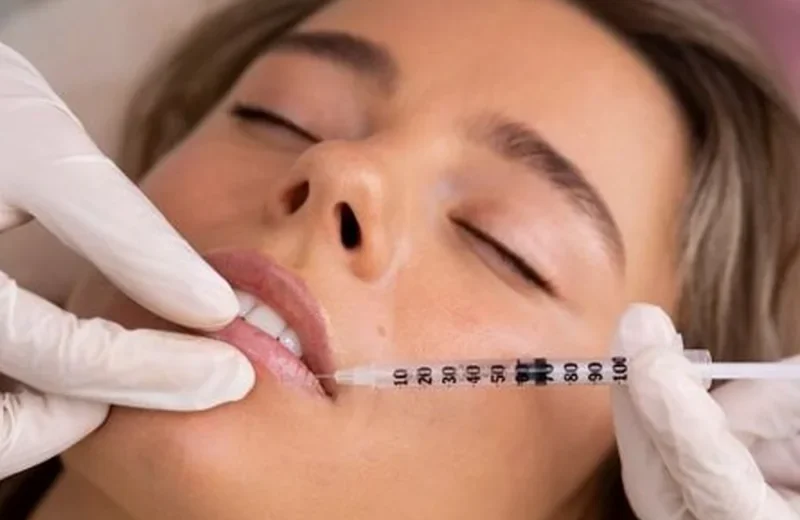
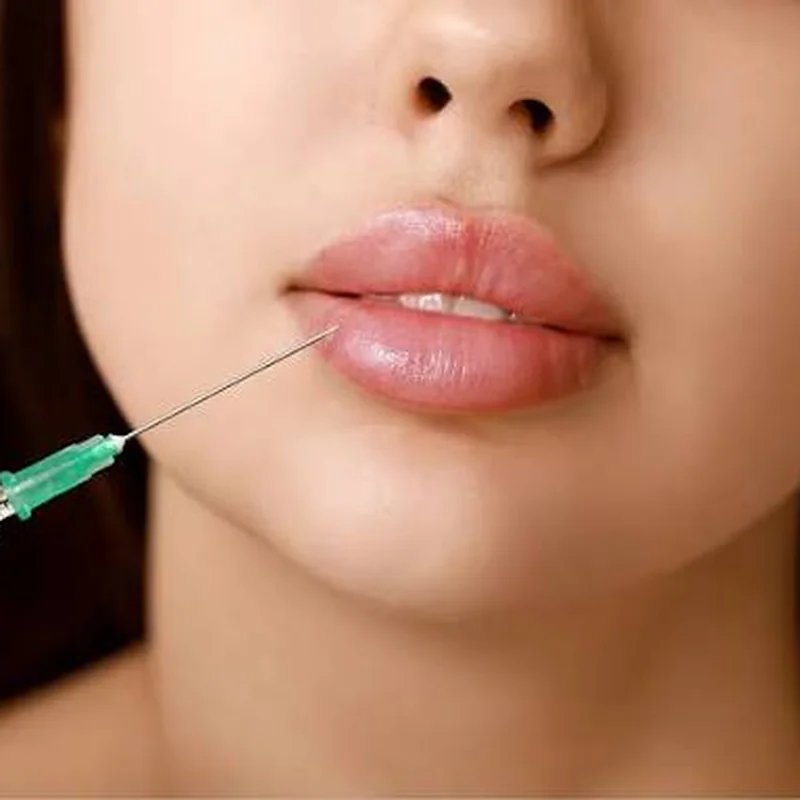
Direct answer: What is the best lip filling technique?
There is no single lip filler technique that is best for everyone. For some people, a carefully selected hyaluronic acid (HA) filler can add subtle fullness; for others, the priority is a softer vermilion border, improved definition of the Cupid’s bow, better balance between upper and lower lips, or restoration of age-related volume loss. The safest and most natural-looking plan begins with facial assessment, knowledge of lip vascular anatomy, appropriate product selection, modest correction, and follow-up. A fashionable name is never a substitute for those principles.
A technique is useful only when it matches the anatomy of the person in front of the clinician. The same 1 mL of filler can have very different aesthetic effects in a naturally narrow mouth, a short upper lip, an already full lip, or an older lip with loss of support. Likewise, two patients can request the same “natural lip” result while actually wanting different improvements: volume, visibility of the pink portion, projection in profile, border definition, symmetry, or reduced fine lines. Defining the endpoint in plain language prevents overtreatment.
The following guide explains how clinicians think about the lip as a three-dimensional structure. It does not provide a DIY injection protocol. Lip fillers are medical treatments that require a qualified clinician and capacity to manage complications, including a rare but potentially serious interruption of blood supply.
1. Why the lips matter to the entire face
The lips sit at the center of the lower face and influence expressions of friendliness, youthfulness, rest, tension, and balance. The mouth is evaluated not only when closed, but during speech, smiling, and movement. In a static photograph, a lip can look harmonious while appearing unnatural as it moves; a successful assessment therefore includes dynamic function as well as frontal and profile proportions.
The source teaching deck begins with the face divided into upper, middle, and lower thirds. This is a visual framework rather than a strict formula for beauty. The lower facial third itself can be further considered in relation to the subnasale, oral opening, chin, teeth, and jaw. The vertical position of the mouth, the height of the cutaneous upper lip, and the projection of the chin can change how full the lips appear even without changes to actual lip tissue.
For example, a short chin may make the mouth seem more prominent in profile; a long cutaneous upper lip may make the pink vermilion appear relatively small; and a wide oral commissure span can give the impression of thin lips despite reasonable central volume. A careful clinician explores those relationships before suggesting that the answer is more filler.
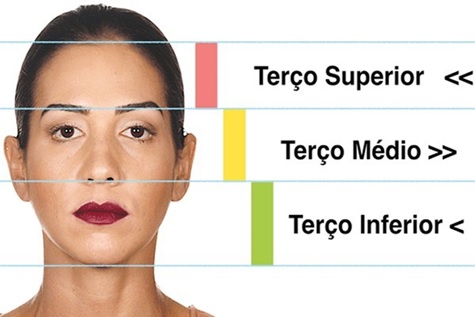
The source then illustrates the lower facial third. It presents approximate one-third and two-thirds divisions as a teaching aid. Real faces vary by sex, age, ethnic background, dentition, genetics, and preference, so these proportions should guide observation rather than dictate an injection pattern. Treating someone to resemble a diagram risks producing an inappropriate result.

Mouth width, commissures, and expression
The oral commissures are the lateral corners where the upper and lower lips meet. Their position influences apparent mouth width and contributes to the way a smile rests on the face. Commissures also change with muscle function and age. A lip that looks downturned may reflect changes to tissue support, facial expression, adjacent marionette lines, dental relationships, or several factors at once.
Lip filler can sometimes improve the impression of support at the mouth corners, but it cannot correct every muscle, skin, skeletal, or dental problem. Overfilling the lateral lips in an attempt to widen the mouth may instead create heavy or unnatural corners. For many people, preserving some taper as the lip approaches the commissure is essential for a natural finish.

2. Lip anatomy: the foundation of every filling technique
The most important lesson in the uploaded material is anatomical: the skin, vermilion, mucosa, lip muscle, vessels, and surrounding tissues are different structures with different functional roles. Understanding those distinctions explains why a technique designed for border definition may not provide meaningful volume, and why treatment intended to increase projection may alter the lip in profile without making its outline dramatically wider.
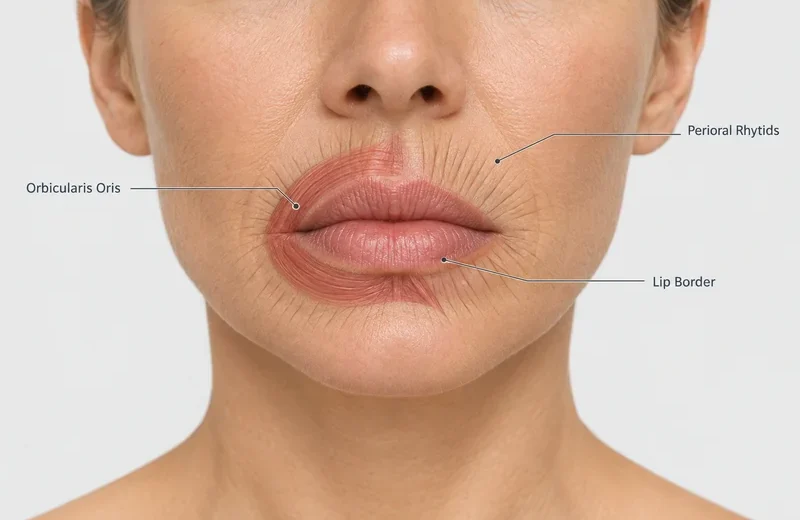
The cutaneous lip is the skin between the nose and the vermilion border above, and between the vermilion and chin below. The vermilion is the visible pink-to-red portion of the lip. It has distinct epithelial and vascular characteristics and is more delicate than ordinary facial skin. The wet mucosa lies farther inside the mouth, and the wet-dry junction marks a transition within the inner lip surface. The orbicularis oris and its interacting muscles make the lip dynamic rather than a passive cushion.
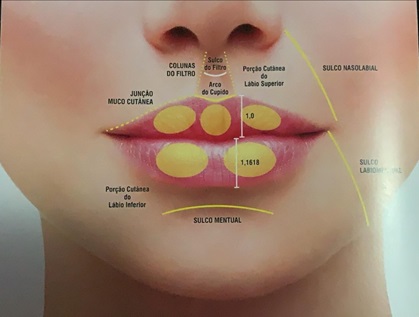
The vermilion-cutaneous border provides part of the outline of the lips; the adjacent white-roll reflection is a subtle optical and anatomical feature rather than a line that always needs strong augmentation. In the upper lip, the Cupid’s bow creates characteristic central contours while the philtral columns connect the upper lip to the base of the nose. The natural pattern differs among individuals, and deliberately emphasizing every landmark can look artificial.
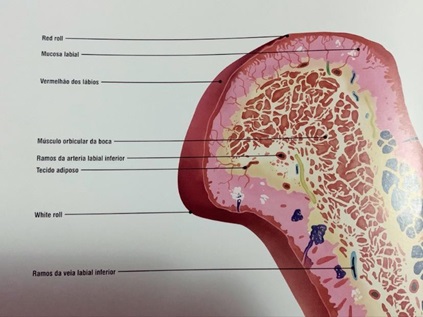
The lip is a three-dimensional structure, not a flat outline
Modern lip assessment benefits from separating several aesthetic dimensions. Shape describes the visible outline and central contour. Volume is overall tissue fullness. Projection is how far the lip comes forward in side view. Eversion refers to how much the vermilion rolls outward and becomes visible. Definition describes the clarity of boundaries such as the Cupid’s bow or selected portions of the white roll. Symmetry asks whether right and left sides are harmonious—not whether they are mathematically identical.
These dimensions are related but not interchangeable. A patient seeking more visible upper-lip vermilion may not need the same plan as a patient seeking greater forward projection. A younger person requesting a mild change may benefit from selective enhancement; an older patient with marked perioral lines may need discussion of resurfacing, muscle-related treatments, or surgical alternatives rather than simply adding more lip filler.
Movement is a treatment outcome
The mouth must smile, speak, drink, articulate words, and close comfortably. An attractive resting photograph is not sufficient evidence of a good result if the lip becomes stiff, exaggerated, asymmetrical during speech, or uncomfortable. This is one reason filler behavior—flexibility, cohesion, and response to muscle forces—matters alongside the amount injected. The best assessment compares the mouth at rest, during a gentle smile, and during a natural animated expression.
3. The muscles responsible for lip shape and smile dynamics
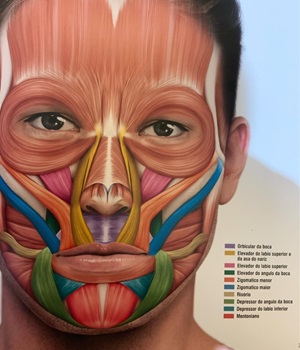
The orbicularis oris forms a functional muscular complex around the mouth. Neighboring muscles include the levator labii superioris, levator labii superioris alaeque nasi, zygomaticus major and minor, levator anguli oris, depressor anguli oris, depressor labii inferioris, risorius, buccinator, and mentalis. They influence elevation, depression, compression, lateral movement, and shape of the lips and surrounding skin. The source deck lists these muscles to emphasize that static filler placement cannot be considered independently of movement.
A clinician may notice that one side of the smile elevates more strongly, that the mentalis creates chin dimpling, or that the mouth corners rest at slightly different heights. These findings should be documented rather than assumed to be filler deficiencies. In some situations, discussion of other treatments is more appropriate; in others, no intervention is indicated.
Filler versus neuromodulator around the mouth
Hyaluronic acid filler is primarily a structural treatment: it changes contours, volume, and support. Botulinum toxin works by temporarily reducing selected muscle activity. A “lip flip” may subtly increase the visible portion of the upper lip in appropriate patients, but it does not replace the structural volume added by filler. Near the mouth, neuromodulator dosing demands particular care because excessive weakening can affect speech, eating, drinking, or facial expression. The source slides do not offer a trial comparing these options; this distinction comes from wider clinical practice and the mechanism of each treatment.
Patients sometimes ask whether combining treatments always creates a better result. It does not. Combination treatment is useful only when distinct problems have been identified and the benefit justifies the added cost, downtime, and risk. For example, fine lines caused largely by photoaging may not be solved by increasing the size of the lips, and a short lip may not be an appropriate target for large filler volumes.
4. Blood supply: why lip filler safety must come first
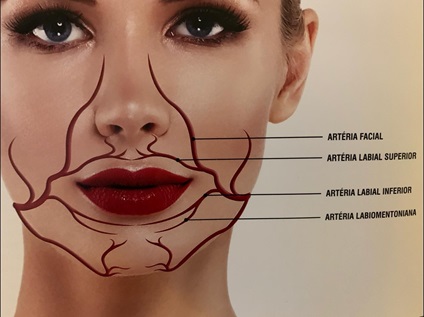
The upper and lower lips receive major arterial branches from the facial artery, including the superior and inferior labial arteries. Smaller arteries and interconnections supply the philtrum, commissures, and adjacent tissues. The course, branching, and depth of these vessels vary substantially between patients and across different parts of the same lip. No named technique, diagram, or supposedly safe injection plane eliminates the risk of vascular injury.
The source schematic demonstrates the main arterial network around the mouth. It is helpful for orientation, but it is stylized and cannot identify the location of an individual patient’s vessels. An ultrasound study may provide additional insight when anatomy, previous filler, complications, or clinical circumstances warrant it. Ultrasound is an adjunct to expertise—not a guarantee.
The philtrum and central lip are not vessel-free
The source’s “lip filter” label is best understood as a mistranslation of philtrum, the central groove and neighboring columns of the upper lip. Small arterial branches traverse this region. A plan that focuses on the Cupid’s bow and philtral columns must therefore respect local vascular anatomy and the possibility of unexpected branching. The presence of an attractive landmark does not make its area automatically safe for injection.

Recognizing urgent warning signs
After filler, mild tenderness, ordinary swelling, and small bruises are common and often resolve as healing progresses. Severe or escalating pain, blanching or unusual dusky discoloration, mottled skin, delayed capillary refill, or visual symptoms are not routine recovery signs. A patient with suspicious symptoms needs immediate assessment by an appropriately trained clinician; sudden visual change is a medical emergency. Hyaluronidase may be used by trained professionals when HA-associated vascular compromise is suspected, within an established emergency protocol. Self-treatment or delayed reassurance is unsafe.
The US Food and Drug Administration warns that unintended filler placement into a blood vessel can cause tissue necrosis, blindness, or stroke. Complications in this category are uncommon but consequential. The correct message is neither to frighten every patient nor to call the procedure risk-free: patients deserve clear consent and access to prompt medical help should warning signs appear. Recent guidance emphasizes the importance of recognizing ischemia early and understanding the limits of prevention methods.
5. Innervation: sensation and comfortable treatment planning
The upper lip receives much of its sensory supply through infraorbital nerve branches, while the lower lip is supplied primarily through the mental nerve. The buccal nerve contributes sensation in the cheek and nearby tissues; the anatomy of the oral commissure and lip corners is more complex than assigning an entire corner to one nerve. Motor control of facial-expression muscles is primarily through branches of the facial nerve, which is distinct from trigeminal sensory innervation.
This separation matters clinically because discomfort may come from the puncture, tissue expansion, sensitivity of the mucocutaneous junction, or anesthetic administration. Comfort measures may include appropriately selected topical anesthetics, cold application, and—when indicated—regional anesthesia. The risks of allergies, altered landmarks after local injection, and prolonged numbness should be discussed before treatment.

6. Lip topography, landmarks, and the danger of rigid beauty ratios
The source presentation includes a diagram of lip tubercles, the philtral columns, nasolabial folds, and an approximate upper-to-lower lip relationship sometimes expressed through the golden ratio. This is useful for showing that the lip has multiple contours and peaks, not one uniform surface. However, 1:1.618 is a historical and artistic reference, not an evidence-based requirement for every patient. Preferences vary by cultural background, natural facial anatomy, age, and personal goals.
A good lip consultation should compare the upper and lower vermilion, evaluate central and lateral fullness, and assess projection alongside the nose and chin. In a patient with a pronounced lower lip, enlarging the upper lip to a mathematical target may be counterproductive; in another, preserving a slightly smaller upper lip may maintain their defining appearance. The aim is individual harmony, not numerical conformity.
The importance of frontal, oblique, and lateral views
A frontal image reveals width, vermilion show, Cupid’s bow, and right-left balance. An oblique view helps show transitions between central tubercles and lateral segments. A profile view highlights projection relative to the nasal tip, chin, and dental support. Photographs should use similar expressions, angles, lighting, and camera distance so apparent improvement is not created by photographic differences alone.
Dynamic assessment may reveal that an apparently thin lip simply rolls inward during smiling, or that a small imbalance at rest becomes prominent during speech. These findings can alter the choice between subtle filler, alternate procedures, or observation. Pre-existing asymmetries should be documented and discussed before treatment to avoid unrealistic promises of perfection.
7. How lips age: more than loss of volume
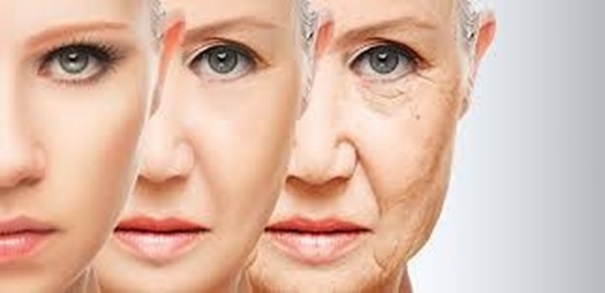
Perioral aging reflects several interacting processes: collagen and elastin changes, skin dehydration and photodamage, repetitive muscle activity, dental and skeletal changes, soft-tissue redistribution, and individual habits such as smoking. The source deck lists gravity, sunlight, muscle use, reduced skin elasticity, and smoking-related effects. An aging upper lip may lengthen while visible vermilion decreases; vertical lines may appear and the oral commissures may turn down. The surrounding skin may become thinner or show uneven pigmentation.
Aging therefore cannot always be reversed by volume alone. Adding too much filler to an elongated upper lip can make it protrude rather than lift it in an aesthetically useful way. Deep perioral lines may need a separate discussion about skin resurfacing or skin-directed treatment. In a suitable candidate, selective restoration of lip volume can be helpful, but the goal is to support an age-appropriate appearance, not to erase every sign of age.
Thin lips from genetics versus thin lips from aging
Genetically thin lips can have strong contour definition and healthy skin despite low volume. Age-related thinning is more likely to coexist with vertical rhytids, diminished white roll, changes in the philtrum, and volume loss around the mouth. The aesthetic plan should reflect this difference. A young person with a defined border may need only a small change in fullness; an older person may prioritize softness of the perioral transition, hydration, texture, and natural facial expression.
Smoking is only one contributing factor; vertical perioral lines occur in nonsmokers too. Promising that stopping smoking or adding filler alone will remove established etched wrinkles would misrepresent a multifactorial problem. Accurate expectations are especially important when a patient has considerable sun damage or significant skin laxity.
8. Choosing hyaluronic acid filler: properties before branding
Hyaluronic acid is the most commonly used material for routine lip augmentation because it can provide temporary volume and has an established body of clinical experience. It is not one uniform product. Formulations differ in HA concentration, cross-linking, cohesivity, elasticity (often discussed as G-prime), viscosity, swelling characteristics, and integration with tissue. The ideal lip filler must be appropriate for a highly mobile, visible, and sensitive anatomical region.
The source slides name low viscosity, high cohesivity, plasticity, and cross-linking as desirable characteristics, and they mention “single-phase” material. Those statements need nuance. No single rheological number or manufacturing category guarantees a superior or natural lip outcome. The practical question is how a particular gel performs in a particular tissue: does it spread appropriately, hold needed contour without becoming stiff, and allow normal movement? Product selection must also consider contraindications, regulatory status, prior reactions, injection plane, and the clinical goal.
Restylane Kysse: an example of a lip-oriented product
The source displays Restylane Kysse as an example. It is a hyaluronic acid filler with product-specific characteristics; according to US FDA labeling, it is indicated for lip augmentation and correction of upper perioral rhytids in patients over 21 years in the United States. That approval statement is specific to the US and does not automatically establish indications or local availability in Abu Dhabi. A clinician should review the exact UAE-registered formulation, authentic packaging, and current manufacturer instructions.
Juvéderm VOLIFT: another formulation discussed in the source
The uploaded presentation also shows Juvéderm VOLIFT. This HA formulation may be used for appropriately selected facial and lip indications subject to local regulatory labeling and clinician assessment. Like other fillers, a brand name does not itself settle suitability. One patient may require soft integration and minimal projection, whereas another requires structural contour support. Product availability, local labeling, medical history, and injector experience should be verified at the treatment visit.
Renova Fill and other products
Renova Fill is the third brand pictured in the supplied deck. The presentation does not provide robust product-specific safety, regulatory, formulation, or clinical outcome data. Accordingly, the brand should be treated as an example of what appeared in the slides, not as a recommended equivalent to products with established indications. The proper questions are whether the exact product is authorized in the treatment location, whether it is genuine, what its labeling specifies, and whether sufficient quality and safety information is available.
Understanding G-prime, viscosity, cohesivity, and swelling
A gel with higher elastic resistance can be useful when maintaining a projected contour is important, but an overly firm gel may be less forgiving in thin, mobile tissues. A softer gel may blend more seamlessly in selected superficial areas while offering less lifting power. Cohesivity reflects how the product holds together under mechanical stress; viscosity and elasticity describe related but different aspects of flow and deformation. Degree of cross-linking affects product behavior and duration, but longevity also depends on the patient and treated region.
A useful consultation therefore moves beyond asking, “Which brand is best?” to asking, “What is the specific goal, why is this formulation suitable, what result is realistic, and what alternatives exist?” Asymmetrical lips or previous filler require additional examination because the first intervention may be to evaluate or modify existing material rather than add more.
9. Lip sculpture: definition, projection, eversion, and volumization
The source divides “lip sculpture” into several objectives: enhancing philtral columns, defining the contour or white roll, increasing the visible vermilion, changing projection, and creating more volume. This framework is valuable because patients often use one word—“fuller”—to mean several different things. Instead of discussing how many syringes to use before establishing the target, the clinician should identify which aspect of the shape needs changing, if any.
Philtral columns are the two vertical elevations that frame the central groove below the nose. They can flatten with aging, but exaggerated reconstruction may look unnatural. The Cupid’s bow creates the central architecture of the upper lip and may be well defined in people with otherwise thin lips. The white roll supplies a delicate border reflection and may be softened rather than intensified depending on the desired appearance. The central lip tubercles influence the natural three-dimensional transitions along the vermilion.
Projection is most apparent from the side, whereas vermilion show describes the amount of pink lip visible from the front. Filling the lip does not necessarily increase these in the same proportion. Over-treatment may shift the aesthetic balance from subtle enhancement to pronounced protrusion. Patient-specific plans are designed around the tissue that exists and the movement that must remain.
What is meant by “natural lip filler”?
Naturalness is a clinical and aesthetic endpoint rather than a particular injection slogan. It typically means the mouth remains proportionate to surrounding features, central fullness tapers laterally, the upper and lower lips remain in harmony, dynamic expression looks appropriate, and the filler does not create persistent lumps or unnatural migration. Not every person wants an ultra-subtle outcome, but even a deliberate fuller look benefits from attention to facial integration.
A conservative approach can help prevent immediate overcorrection and provides an opportunity to reassess swelling before deciding whether a refinement is useful. Importantly, “natural” should not be defined so narrowly that patient preferences are dismissed. The clinician’s responsibility is to explain tradeoffs, limitations, and risks, then pursue a medically reasonable shared plan.
10. The five named styles in the teaching slides: what they do—and do not—mean
The final clinical section of the source names Natural, Flower, Strong, Harmony, and Egypt lips. It offers brief descriptions but no peer-reviewed trials, validated definitions, standardized outcome measures, sample sizes, or comparative safety data for these exact labels. They should therefore be treated as informal descriptive styles from the supplied presentation, rather than internationally standardized medical techniques.
Natural lips technique: subtle outline without obvious enlargement
The slides describe the Natural style as suitable for patients who have not previously received filler and want gentle contour refinement. In a consultation, this usually translates into prioritizing facial balance and maintaining the lip’s existing identity. A patient may want mild improvement in asymmetry or vermilion definition while avoiding conspicuous projection. Whether such a result is possible depends on anatomy and medical suitability; there is no universally safe “first-timer” injection pattern.
Flower lips technique: the concept of eversion
The Flower label is associated in the slides with outward presentation of the vermilion and a “meatier” appearance. Eversion should not be confused with simply depositing more filler. The degree to which pink lip is visible can be affected by tissue support, intrinsic lip shape, muscle activity, dental structure, and treatment choice. A patient seeking more visible lip may need assessment of all these dimensions, and the term Flower by itself offers no evidence of superior results.
Strong lips technique: prioritizing increased volume
The source characterizes Strong lips as a fuller aesthetic. The challenge is to distinguish a patient-desired prominent look from overfilling. More volume can increase swelling, projection, and the likelihood of a result that looks unnatural if poorly matched to the face. A “strong” lip outcome is not automatically appropriate for naturally small lips, thin tissues, or a face with limited structural support. Decisions about quantity should never be made from the label alone.
Harmony lips technique: considering long upper lips and proportion
In the teaching slides, Harmony refers to managing the visual effect of long lips by considering eversion and projection. Here the clinician must be particularly careful: increasing projection is not equivalent to physically shortening an elongated cutaneous upper lip. If an upper lip is long because of age-related changes or skeletal and dental relationships, filler may have limited ability to achieve the desired result. Patients may benefit from discussion of nonsurgical alternatives, no treatment, or surgical assessment where appropriate.
Egypt lips technique: a stylized combination of volume and eversion
The slide describes Egypt lips using subjective aesthetic language about fullness and sensuality. This is not a medical endpoint, a registered universal protocol, or a validated anatomic classification. The responsible approach is to translate the desired look into observable goals such as central fullness, lateral taper, projection, or outline—and evaluate whether these goals fit the patient’s own features. Cultural or historical labels should never imply that one aesthetic is preferable for a whole ethnic group.
Summary: turning a trend name into a medical plan
| Source label | Described intent in uploaded slides | Evidence-aware interpretation |
|---|---|---|
| Natural | Soft contour, often for first-time patients | Conservative enhancement concept; no single protocol established |
| Flower | Eversion and a fuller-looking vermilion | Focus on vermilion show, not simply added volume |
| Strong | Greater lip volume | Aesthetic goal must be bounded by anatomy and risk |
| Harmony | Long-lip appearance, eversion and projection | Structural causes may limit what filler can achieve |
| Egypt | Eversion and volume | Informal style label, not a validated technique |
11. How common published techniques compare with style labels
Some readers may know Four-Point, No-Touch, Phi, or Multi-Vector lip techniques from published papers. Those publications describe more specific strategies than the informal five-style list in the source deck. A Four-Point study reported outcomes from a small retrospective cohort; the No-Touch concept emphasizes anatomical subunits and an approach that avoids directly traversing oral mucosa; Phi-based proposals use proportional landmarks with a gradual plan; and the Multi-Vector model maps different lip compartments to various aesthetic objectives. Each method has its own proposed logic and evidence limitations.
None of these papers establishes that one branded technique is safest or best for all lips. Many are retrospective, noncomparative, or performed by selected experienced injectors; they cannot remove the underlying risk of vascular compromise. An anatomy-based assessment is more transferable than a trademark or fashionable label. The value of a technique lies in whether it produces predictable, patient-appropriate results within a safe clinical practice.
Needle or cannula: which is better?
A needle can offer precise localized placement, while a blunt cannula can facilitate treatment of a broader zone through fewer skin entry points. Some research suggests cannulas may be associated with less bruising and lower rates of certain complications in some settings, but neither instrument is risk-free. Instrument choice must take account of anatomical region, tissue depth, filler properties, clinical objective, training, and patient history. Ultrasound may be a useful adjunct for selected cases.
12. Consultation checklist for patients seeking lip filler in Abu Dhabi
A thorough consultation should begin with what bothers the patient, not with the available product. Is the concern thinness, asymmetry, a poorly defined border, lipstick lines, downturned corners, or a desire for a fuller trend-inspired style? Photographs at rest and smiling help clarify the baseline. Prior fillers and any history of hyaluronidase, complications, cold sores, allergies, dental procedures, medications, bleeding tendencies, or inflammatory conditions also deserve discussion.
Treatment should be deferred or reassessed when the examination identifies a contraindication, active infection, an unrealistic objective, or another concern that increases risk. For people who are pregnant or breastfeeding, elective filler is generally postponed because adequate safety data are lacking. Individuals with prior reactions or persistent nodules may need diagnostic evaluation before another procedure. The precise decision is individualized and should align with locally applicable clinical and regulatory requirements.
Before deciding, patients should know the product name and manufacturer, expected benefits and limits, possible downtime, alternatives, follow-up plan, and the clinic’s process for urgent complications. Choosing based only on the lowest price or a social-media photograph can conceal important differences in medical quality and supervision.
Why a first assessment should not be rushed
Aesthetic consultations are more useful when patients have time to describe what they dislike and what they want preserved. Some may worry that filler will always create an artificial look; others may underestimate how much their mouth’s movement contributes to its appearance. Reviewing likely outcomes with standardized examples and explaining that some changes cannot be achieved nonsurgically can prevent dissatisfaction and unnecessary treatment.
Where there is substantial asymmetry, previous filler migration, or unexplained lumps, additional imaging or specialist review may be needed. A clinical practitioner should also be willing to advise against injection when the expected improvement is small compared with the risk or when the patient’s anatomical goal is incompatible with filler alone.
13. What happens after lip filler? Recovery and realistic timelines
Immediately after treatment, lips may appear fuller than the eventual result because HA volume and local swelling are present together. Small bruises, tenderness, and temporary unevenness can occur. The severity and duration vary according to the individual, product, extent of treatment, and injection technique. It is usually more informative to review the result after early swelling settles rather than judging it within minutes of treatment.
Patients should follow their treating clinician’s individualized aftercare instructions. Common practical advice includes avoiding unnecessary pressure or manipulation, maintaining reasonable hygiene, and discussing activities that could worsen swelling or discomfort immediately after the procedure. If a patient is concerned about a lump or uneven appearance, they should not attempt vigorous self-massage or home filler dissolution. Clinical reassessment helps distinguish expected recovery from a problem requiring intervention.
A follow-up is particularly useful when baseline asymmetry was present, when there was prior filler, or when the treatment goal involved subtle contour rather than large volume. A visible effect is often immediate, but a stable cosmetic assessment requires adequate healing. Duration is variable: cross-linked HA lip filler may provide a noticeable effect for months and sometimes longer, but there is no guaranteed lifespan for every patient, product, or facial region.
14. Complications: common, uncommon, and urgent
Expected short-term effects may include temporary edema, redness, tenderness, and bruising. Less common problems include persistent nodules, inflammatory reactions, infection, asymmetry, undesirable projection, and movement of filler beyond the intended area. Previous filler, biofilm-associated problems, and inflammatory conditions can complicate evaluation. Managing every palpable nodule as if it were identical is inappropriate: the timing, material, clinical signs, and ultrasound appearance may change treatment.
The presence of high satisfaction rates in published case series does not mean rare harms cannot happen. Case reports and safety advisories emphasize that good practice requires skill in risk recognition, informed consent, appropriate documentation, and an emergency plan. Patients should feel comfortable asking how complications are identified and handled before agreeing to a cosmetic injection.
Can filler be dissolved?
HA-based filler can often be reduced or dissolved with hyaluronidase, although results depend on filler type, location, amount, time since treatment, and the specific problem. It may take reassessment or more than one intervention. Hyaluronidase itself can cause reactions, and its use should follow appropriate clinical judgment. Materials other than HA generally cannot be reversed in the same way; permanent products may be especially difficult to remove.
15. When lip filler is not the whole answer
If the main concern is vertical perioral wrinkles, skin texture, photoaging, or marked upper-lip elongation, adding volume may only address part of the problem. Laser resurfacing, appropriate skin-directed technologies, selected neuromodulator approaches, or surgical discussion may sometimes be considered depending on anatomy and expectations. These procedures have distinct indications, benefits, and risks. A physician should explain why an alternative might be more effective than using additional filler to compensate for a non-volume problem.
For example, a fine etched line in the upper cutaneous lip differs from a deep crease caused by insufficient skeletal or soft-tissue support. Similarly, a downturned mouth corner may reflect a combination of gravity, tissue descent, and muscle action. Improving one element cannot guarantee complete correction of the overall expression. Choosing not to treat is a valid medical recommendation when expected benefit is uncertain.
16. Choosing a lip filler clinician in Abu Dhabi
The quality of the consultation, the clinical setting, and the management of complications matter more than online labels such as “best,” “Russian,” or “designer lips.” A responsible clinician assesses facial anatomy, discusses realistic alternatives, identifies contraindications, uses genuine products suitable for the indication, provides appropriate consent, and offers clear follow-up. Individualized enhancement should be compatible with the patient’s everyday expressions, not only with a posed photograph.
Dr. Erfan Rahmani’s website offers information about lip filler and broader dermal-filler services in Abu Dhabi. This educational article is intended to complement the primary treatment pages, not replace the consultation or compete with the service pages for identical search intent. Readers can learn about treatment planning here, then review the dedicated Lip Filler service and Dermal Filler in Abu Dhabi pages for additional information.
17. Frequently asked questions about lip filling techniques
1. Which lip filler technique gives the most natural result?
There is no universal winner. A natural-looking result depends on selecting an appropriate objective, respecting facial proportions, and preserving lip movement. An anatomy-led plan matters more than a branded style.
2. What is the difference between lip filling and lip contouring?
Filling often refers to increasing or restoring volume. Contouring focuses more on visible borders, central tubercles, and definition. A single treatment may include both, but the terms should not be confused.
3. Are fuller lips always more attractive?
No. Preferences vary by individual and culture. Fullness should harmonize with the face rather than conform to one aesthetic template.
4. Is the golden ratio necessary for lip filler?
No. It can be a visual reference but is not an obligatory or universally valid target for lip anatomy or beauty.
5. Can lip filler change the Cupid’s bow?
An appropriately selected HA filler can sometimes enhance the definition of the central upper lip. The goal and limitations depend on existing anatomy and tissue characteristics.
6. What is the white roll?
It is a subtle anatomical and optical reflection at the lip border. It can influence contour and should not automatically be overemphasized.
7. What is the wet-dry junction?
It is the transition between the visible/drier vermilion and the wetter inner lip mucosa. It is one of several clinically important landmarks, not a universally safe injection line.
8. Why do my lips look thinner when I smile?
Lip movement, muscle function, natural eversion, and dental relationships change the amount of vermilion visible during smiling. A dynamic assessment is needed.
9. What is lip eversion?
Eversion means increasing the outward display of the vermilion. It differs from simply making the lip larger or more projected.
10. What is the difference between projection and volume?
Projection is forward prominence in profile; volume is overall tissue fullness. Increasing one does not automatically increase the other proportionately.
11. What is Natural lips technique?
In the source slides, it is a label for gentle, contour-focused enhancement. It is not a scientifically standardized injection protocol.
12. What does Flower lips mean?
The source describes it as an eversion-focused aesthetic. The name alone does not determine suitability, safety, or outcome.
13. What are Strong lips?
The slides use this label for fuller results. The clinical priority remains avoiding an amount inappropriate to a patient’s anatomy.
14. What is Harmony lips?
It is an informal source label for treating the visual balance of lips, including longer lips. It does not guarantee correction of an elongated cutaneous upper lip.
15. What is Egypt lips?
It is a styling label in the supplied educational presentation, not a universally validated method.
16. Is a cannula safer than a needle?
Some research suggests fewer bruises or vascular events in certain uses, but neither is risk-free. Instrument choice depends on anatomy, goals, and operator skill.
17. Does a blunt cannula eliminate arterial injury?
No. Vascular injury remains possible even with a blunt cannula, which is why anatomical knowledge and careful clinical technique remain essential.
18. What is the best HA brand for lips?
No single brand is best for every patient. Suitable rheology, product authenticity, regulatory labeling, prior history, and desired effect are more important than a brand name alone.
19. Is Restylane Kysse intended for lips?
Yes, the US FDA has approved Restylane Kysse for specific lip and perioral indications in adults over 21 in the US. Local UAE labeling should be checked separately.
20. Is Juvéderm VOLIFT always a good lip filler?
Not automatically. Its suitability depends on the exact approved product, clinical goal, tissue characteristics, and clinician assessment.
21. What is Renova Fill?
It is one of the products named in the supplied slides. The deck alone does not establish its current UAE authorization, indications, or equivalence to other brands.
22. Are all lip fillers reversible?
No. HA fillers may often be dissolved using hyaluronidase by a professional, but other materials can be much harder or impossible to reverse fully.
23. Can filler correct naturally asymmetrical lips?
It may improve some asymmetries, but perfect symmetry is neither guaranteed nor always desirable. Differences related to teeth, muscle function, or bone may persist.
24. Can lip filler improve aging lips?
It can restore selected areas of volume and definition. Skin texture, wrinkles, and a long upper lip may require different or additional approaches.
25. Do I need filler for marionette lines?
Not necessarily. Those lines may reflect several changes beyond lip volume. A lower-face assessment is appropriate before treating them.
26. Can filler treat smoker’s lines?
Selected fine lines may benefit from appropriate treatment, but established perioral wrinkles often require skin-directed strategies. Smoking is not the only cause.
27. Is lip filler painful?
Discomfort varies. Clinicians may use appropriate topical anesthesia and other pain-control methods, while considering allergies and other risks.
28. How long does swelling last?
It varies. Mild swelling is common early after injection and usually improves over days, but significant, progressive, painful, or discolored swelling needs prompt review.
29. When can I judge the final result?
A more reliable cosmetic assessment is made after early swelling subsides. Your clinician can determine the appropriate review interval based on your treatment.
30. Can the lips look uneven immediately after treatment?
Yes. Swelling can be asymmetric. However, urgent signs such as severe pain, pallor, dusky discoloration, or visual changes must not be dismissed as ordinary swelling.
31. What are signs of vascular occlusion?
Concerning findings include unusual intense pain, blanching, mottling, dusky discoloration, and impaired skin perfusion. These demand immediate professional evaluation.
32. What if my vision changes after facial filler?
Treat any sudden visual change as a medical emergency and seek immediate emergency assessment.
33. Is hyaluronidase available for HA complications?
Qualified clinicians use hyaluronidase in appropriate HA-related problems, including suspected vascular compromise. It must be administered in accordance with medical protocols.
34. Can ultrasound help with lip filler?
Yes, ultrasound may identify vessels, previous filler, and relevant anatomy or support assessment of complications. Availability and suitability vary by clinic and case.
35. Do lip fillers last forever?
No. Most HA lip fillers are temporary, although persistence and visible effect vary. A precise duration cannot be guaranteed for every person.
36. Can I have lip filler while pregnant or breastfeeding?
Elective treatment is generally deferred because safety evidence is insufficient. Discuss personal circumstances with your treating physician.
37. What if I have had filler before?
Previous product, timing, migration, nodules, and any past complications should be reviewed. More filler is not always the right first step.
38. How many syringes are needed?
There is no universal number. The clinician should determine whether treatment is appropriate and then tailor quantity to the objective and anatomy without promising specific volume in advance.
39. Does a higher price guarantee a better result?
No. Pricing alone does not prove clinical quality. Genuine product, appropriate setting, medical expertise, informed consent, and emergency readiness matter.
40. Can a doctor refuse a requested lip shape?
Yes. Declining or modifying a plan is appropriate when the aesthetic goal is unrealistic, medically unsuitable, or poses disproportionate risk.
41. Can lip filler make my smile unnatural?
Excessive or poorly targeted filler can alter the appearance of movement. Preserving normal function is a key consideration during planning.
42. Does filler correct a long upper lip?
It may change appearance in selected cases, but filler does not literally shorten skin. Other options may be more appropriate when structural elongation is the main concern.
43. Are permanent fillers recommended for lips?
They are generally approached with substantial caution because long-lasting nodules, migration, and difficult removal can occur. Product and regulatory status are essential considerations.
44. What should I ask during a lip-filler consultation in Abu Dhabi?
Ask about your goal, product labeling, risks, alternatives, clinician training, realistic recovery, follow-up, and how urgent complications are handled.
Medical disclaimer: This article is for general education only and is not medical advice or a DIY injection protocol. Lip filler should be performed only by a qualified clinician after an individual consultation.