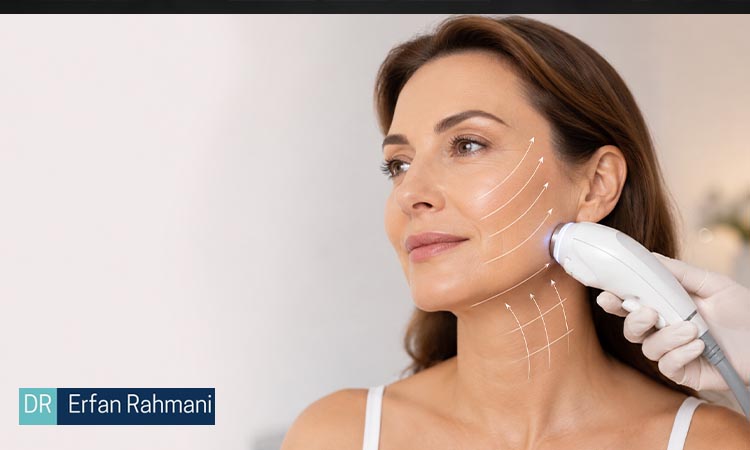
Facial aging rarely has a single cause. A softer jawline may result from loose skin, while hollow cheeks can reflect volume loss. Forehead lines are often caused by repeated muscle movement, whereas rough texture and uneven pigmentation usually involve changes closer to the skin’s surface. This is why searching for one “best” facelift alternative can be misleading: different treatments solve different problems.
Modern
non-surgical face lift options can improve wrinkles, replace lost volume, tighten mildly lax skin, refine facial contours, and enhance skin texture without the incisions and extended recovery associated with surgery. However, they do not all create a true lifting effect, and none can completely reproduce what a surgical facelift achieves for significant jowling or excess skin.
The right approach begins by identifying what has changed in your face, how much improvement you expect, how much downtime you can accept, and whether you are prepared for ongoing maintenance. This guide explains the most established alternatives to facelift surgery, their benefits, limitations, risks, costs, and ideal uses.
Medical note: Cosmetic procedures can cause complications and should be selected after an in-person assessment by a properly licensed and appropriately trained healthcare professional.
What Is a Non-Surgical Facelift?
A non-surgical facelift is not one standardized procedure. It is a broad term for non-invasive or minimally invasive treatments used to temporarily refresh, firm, contour, or add volume to the face.
A treatment plan may include one procedure or a carefully staged combination of:
- Dermal fillers to restore volume
- Botulinum toxin injections to soften expression lines
- Ultrasound or radiofrequency treatments for mild skin laxity
- Thread lifts for limited mechanical repositioning
- Lasers, chemical peels, or microneedling to improve skin quality
- Fat-reduction procedures to refine the chin or jawline
Unlike facelift surgery, these treatments generally do not require large incisions, general anesthesia, or an overnight hospital stay. Results are usually subtler, temporary, and dependent on maintenance.
Non-Invasive vs. Minimally Invasive Treatments
Non-invasive treatments deliver energy through the skin without needles or surgical incisions. Examples include certain ultrasound, radiofrequency, and laser procedures.
Minimally invasive procedures enter or pass through the skin but do not involve traditional surgery. Fillers, neuromodulators, microneedling, radiofrequency microneedling, and thread lifts fall into this category.
The word “non-surgical” should not be confused with “risk-free.” A procedure may involve little downtime while still requiring detailed knowledge of facial anatomy, sterile technique, energy settings, injection depth, and complication management.
Who Is a Good Candidate for Non-Surgical Face Lift Options?
The strongest candidates generally have mild-to-moderate signs of aging and realistic expectations. They may notice early jowling, mild skin looseness, flattened cheeks, expression lines, uneven texture, or a less defined jawline but do not yet need substantial skin removal.
These treatments may be suitable when you:
- Want gradual or subtle improvement
- Prefer limited downtime
- Are not ready for surgery
- Have one or two specific concerns
- Understand that maintenance will be necessary
- Accept that results will be less dramatic than surgery
A non-surgical plan may be less effective for very deep wrinkles, extremely loose skin, severe scarring, or pronounced tissue descent. Cleveland Clinic specifically notes that these treatments may not adequately correct extremely loose or sagging skin.
When Surgery May Be the Better Option
A surgical facelift addresses deeper facial structures, repositions tissue, redrapes skin, and removes excess skin. Minimally invasive treatments cannot achieve the same degree of correction, although they may delay surgery or complement surgical results.
Consider a surgical consultation when:
- Loose skin hangs visibly from the jawline or neck
- Jowls remain pronounced despite previous treatments
- You want a substantial, long-lasting structural change
- Repeated maintenance treatments are becoming expensive
- Skin laxity, rather than texture or volume loss, is the dominant concern
The most logical decision is not always the least invasive one. Spending repeatedly on small treatments that cannot solve advanced laxity may cost more over time without producing the desired result.
Best Non-Surgical Face Lift Options
Dermal fillers replace volume in areas that have become hollow, flattened, or less structurally supported. Depending on the product and injection plan, fillers may be used in the cheeks, temples, chin, jawline, lips, or deeper facial folds.
Rather than directly tightening loose skin, well-placed filler can support tissue and improve facial proportions. For example, restoring controlled volume to the lateral cheek may improve facial balance more naturally than injecting every visible crease.
Fillers are most useful for:
- Hollow cheeks or temples
- Reduced chin projection
- Mild jawline irregularity
- Deep folds associated with volume loss
- Facial asymmetry
- Age-related loss of structural support
The result may be visible immediately, although swelling can temporarily distort the final appearance. Longevity varies by product, treatment area, metabolism, and injection technique. Some fillers last several months, while others may persist much longer.
Fillers require particular caution because accidental injection into a blood vessel can cause tissue death, stroke, or blindness. Although these complications are uncommon, they can be serious and permanent. The FDA advises choosing a licensed healthcare provider experienced in dermatology or plastic surgery who uses appropriately labeled and sealed products.
Botox and Other Neuromodulators for Expression Lines
Botulinum toxin products reduce selected muscle activity. They are best suited to dynamic wrinkles—lines created or intensified by facial movement.
Common treatment areas include:
- Frown lines between the eyebrows
- Forehead lines
- Crow’s feet
- Selected lower-face or neck muscles
Neuromodulators do not replace lost volume or remove excess skin. Their “lifting” effect is indirect and limited. For example, carefully relaxing muscles that pull the eyebrows downward may create a subtle brow-opening effect, but it is not equivalent to a surgical brow lift.
Results commonly begin appearing within several days and often last approximately three to four months, although individual responses vary.
Incorrect placement or dosing can cause temporary asymmetry, eyelid or eyebrow drooping, altered expression, or functional problems. FDA-approved botulinum toxin products also carry warnings about the possible distant spread of toxin effects, which can cause serious swallowing, muscle, or breathing symptoms.
Ultrasound Skin Tightening
Microfocused ultrasound treatments deliver controlled energy below the skin’s surface to create thermal treatment zones and stimulate tissue remodeling. They are commonly promoted for the brow, lower face, jawline, and upper neck.
Ultrasound treatment may suit people with mild-to-moderate laxity who want gradual improvement without visible skin injury. A systematic review found support for microfocused ultrasound in tightening mildly to moderately lax facial skin, while also noting the need for stronger objective outcome research.
Results do not appear instantly. Collagen remodeling develops over time, so changes may become more noticeable over several weeks or months.
Key limitations include:
- Results are generally modest
- Response varies substantially
- Treatment can be uncomfortable
- It cannot remove excess skin
- Not every device or treatment protocol is equivalent
Radiofrequency Skin Tightening
Radiofrequency devices create controlled heat in targeted tissue. Depending on the technology, treatment may be delivered through the skin, through microneedles, or through minimally invasive probes.
Non-invasive radiofrequency may improve firmness in people with early laxity. Multiple sessions may be recommended, depending on the device and treatment plan. The improvement is generally gradual rather than an immediate mechanical lift.
Radiofrequency is often considered for:
- Mild lower-face laxity
- Early jawline softening
- Fine wrinkles
- Neck skin that has begun to lose firmness
- Patients who prefer limited downtime
The provider must select settings based on tissue thickness, treatment depth, device characteristics, and facial anatomy. Excessive or poorly controlled energy can cause burns, unwanted fat loss, nerve injury, contour irregularity, or scarring.
Radiofrequency Microneedling
Radiofrequency microneedling combines needle penetration with heat delivered below the skin’s surface. It is often used for a mixture of concerns, including fine wrinkles, enlarged pores, acne scars, uneven texture, and mild laxity.
Evidence reviews have reported improvement in facial rejuvenation outcomes, but the technology should not be treated as a simple beauty service.
In October 2025, the FDA issued a safety communication after receiving reports of serious complications associated with certain uses of RF microneedling. Reported problems included burns, scarring, fat loss, disfigurement, nerve damage, and injuries requiring medical or surgical treatment. The FDA describes RF microneedling as a medical procedure and advises against using these devices at home.
Ask the provider:
- Which device will be used?
- Is it authorized for the proposed use?
- How deep will the needles penetrate?
- How will settings be adjusted for your face and skin?
- What is the plan if fat loss, burns, or nerve symptoms occur?
Thread Lift
A thread lift uses absorbable, barbed sutures inserted beneath the skin. The threads can mechanically reposition limited amounts of tissue and may also trigger collagen production around the treated area.
Thread lifts are most appropriate for carefully selected patients with mild tissue descent who want a temporary, modest change. They are not substitutes for surgical lifting in advanced facial laxity.
Potential treatment areas include:
- Cheeks
- Jawline
- Brows
- Upper neck
Immediate improvement may be visible, but swelling and tissue tension can influence the early result. The effect is temporary and may last up to approximately 18 months in some patients.
A systematic review of thread-lift complications found that swelling was the most frequently reported problem, followed by dimpling, altered sensation, visible or palpable threads, infection, and thread extrusion.
Thread lifts require careful consideration if you may want facelift surgery later. Repeated thread procedures can potentially create fibrosis or distorted tissue planes, which may complicate subsequent surgery.
Laser Skin Resurfacing
Laser resurfacing improves the skin’s surface and, depending on the device, can stimulate collagen remodeling. It is more effective for texture, pigmentation, fine lines, and sun damage than for lifting substantially descended tissue.
Ablative lasers remove controlled layers of skin and generally produce a more intensive result with longer recovery. Non-ablative lasers work beneath the surface with less downtime but often require multiple sessions.
Laser treatment may improve:
- Fine wrinkles
- Uneven pigmentation
- Rough texture
- Sun damage
- Selected acne scars
- Mild loss of firmness
Possible complications include prolonged redness, burns, blisters, pigmentation changes, infection, and scarring. Risks and treatment settings may differ considerably across skin tones. The AAD recommends receiving laser treatment from a physician with relevant experience to reduce preventable complications.
Chemical Peels
Chemical peels remove controlled layers of damaged skin to improve tone and texture. Superficial, medium-depth, and deeper peels differ substantially in strength, recovery, risk, and expected result.
Peels can help reduce:
- Fine lines
- Uneven pigmentation
- Dullness
- Rough texture
- Certain types of acne
- Superficial sun damage
They do not reposition deep tissue or remove loose skin. Therefore, describing a peel as a complete “facelift alternative” can create unrealistic expectations.
Aftercare is important. Picking, rubbing, or scratching healing skin can contribute to infection or poor healing, while inadequate sun protection can worsen pigmentation problems.
Microneedling
Traditional microneedling creates controlled micro-injuries that stimulate a wound-healing response. It is primarily a skin-quality treatment rather than a strong lifting procedure.
It may help with:
- Fine lines
- Mild textural irregularities
- Enlarged pores
- Selected scars
- Early loss of elasticity
Results develop gradually and usually require a series of treatments. Cleveland Clinic notes that full improvement may take several months to appear.
At-home rollers should not be confused with professional medical microneedling. Poor sterilization, excessive pressure, or improper technique can increase the risk of infection, irritation, and scarring.
Injectable Collagen Stimulators
Biostimulatory injectables are designed to encourage gradual collagen production rather than simply filling a space with gel. They may improve facial support, skin thickness, or diffuse volume loss over time.
These treatments are generally better for gradual structural improvement than for patients seeking an immediate transformation. Treatment often requires more than one session, and results depend heavily on dilution, placement, anatomy, and product selection.
Possible complications include prolonged swelling, asymmetry, lumps, nodules, or an unnatural result if too much product is used.
Jawline and Double-Chin Contouring
A poorly defined jawline can result from several different problems:
- Excess fat beneath the chin
- Weak chin projection
- Enlarged jaw muscles
- Loose skin
- Descended facial tissue
- A combination of these factors
The correct treatment depends on the cause. Fat-reduction injections or devices may reduce localized fullness, fillers may improve chin or jawline structure, neuromodulators may reduce selected muscle bulk, and energy-based procedures may address mild laxity.
Removing fat without evaluating skin elasticity can backfire. If the skin cannot contract adequately, reducing volume may make looseness more visible.
How to Choose the Best Non-Surgical Facelift Treatment
The safest and most effective plan starts with the problem, not the product.
| Primary concern |
Treatments commonly considered |
| Expression lines |
Botulinum toxin products |
| Hollow cheeks or temples |
Dermal fillers or collagen stimulators |
| Mild skin laxity |
Ultrasound or radiofrequency |
| Texture and fine lines |
Lasers, peels, or microneedling |
| Mild tissue descent |
Selected thread-lift procedures |
| Weak chin or jawline |
Structural filler or other contouring options |
| Significant loose skin |
Surgical facelift or neck-lift assessment |
A common real-world mistake is treating every visible line with filler. Imagine a patient with sun damage, active forehead movement, mild cheek deflation, and neck laxity. Adding filler to each crease would not correct muscle-driven wrinkles, surface damage, or loose neck skin. A more rational plan might combine conservative volume restoration, selective neuromodulation, skin resurfacing, and an honest discussion about the limits of non-surgical tightening.
Consider the Total Maintenance Cost
Non-surgical treatments usually have a lower initial cost than surgery, but many require repeat sessions. Compare costs over three to five years rather than looking only at the first appointment.
Include:
- Initial consultation
- Product or device fees
- Number of sessions
- Maintenance frequency
- Follow-up visits
- Time away from work
- Cost of managing complications
- Possibility of later surgery
The cheapest clinic is not necessarily the least expensive choice. Correcting an avoidable complication can be medically difficult and financially significant.
Combination Treatments: When More Than One Procedure Makes Sense
Facial aging occurs across multiple anatomical layers, so one treatment may not address every concern. A combination plan can be effective when each procedure has a defined purpose.
For example:
- Neuromodulators may soften movement-related lines
- Fillers may restore structural volume
- Lasers may improve pigmentation and texture
- Ultrasound or radiofrequency may provide modest tightening
However, “treatment stacking” should not become indiscriminate overtreatment. Procedures need to be sequenced according to swelling, wound healing, infection risk, energy depth, injectable placement, and the ability to assess results clearly.
A staged plan is often safer because it allows both the patient and clinician to evaluate what has improved before adding another intervention.
Non-Surgical Facelift vs. Surgical Facelift
| Factor |
Non-surgical treatments |
Surgical facelift |
| Degree of correction |
Mild to moderate |
Moderate to substantial |
| Excess-skin removal |
No |
Yes |
| Anesthesia |
Often none or local |
Sedation or general anesthesia may be used |
| Downtime |
Usually limited, but varies |
Usually several weeks |
| Scarring |
Minimal or none |
Surgical incisions |
| Result duration |
Temporary |
Longer-lasting |
| Maintenance |
Commonly required |
Less frequent |
| Best suited to |
Early aging or specific concerns |
Advanced laxity and tissue descent |
A surgical facelift improves visible aging by repositioning deeper tissue and redraping and trimming excess skin. Non-surgical procedures may improve skin quality, volume, or early laxity, but they cannot provide the same structural result.
Neither option automatically looks more natural. Natural results depend on patient selection, conservative planning, anatomical understanding, technical skill, and realistic expectations.
Benefits and Limitations of Non-Surgical Treatments
The main advantages include:
- Shorter recovery than surgery
- No large incisions
- Customizable treatment plans
- Gradual, subtle changes
- Ability to treat individual concerns
- Lower initial financial commitment
- Possibility of delaying surgery
The limitations are equally important:
- Results are usually temporary
- Maintenance may become expensive
- Significant excess skin cannot be removed
- Outcomes vary between patients
- Multiple sessions may be required
- Complications can still be serious
- Combining too many treatments can create an overfilled or unnatural appearance
A good consultation should explain both sides. Be cautious when a clinic discusses benefits extensively but avoids limitations, alternatives, or complication management.
Risks, Side Effects, and Warning Signs
Common short-term effects vary by procedure but may include redness, swelling, bruising, tenderness, peeling, temporary numbness, and mild asymmetry.
More serious complications may include:
- Infection
- Burns
- Scarring
- Pigment changes
- Nerve damage
- Persistent nodules
- Tissue loss
- Vascular occlusion
- Vision changes
- Facial weakness
- Unwanted fat loss
Seek prompt medical attention for severe or worsening pain, white or dusky skin discoloration after filler, visual symptoms, facial weakness, breathing or swallowing difficulty, fever, spreading redness, pus, severe swelling, or progressive numbness. Cleveland Clinic advises contacting a healthcare provider for severe swelling, persistent or worsening pain, infection, numbness, or loss of facial movement.
How to Choose a Qualified Provider
Provider skill is one of the most important variables in cosmetic treatment outcomes. The American Academy of Dermatology emphasizes that results depend largely on the knowledge and skill of the person performing the treatment.
During your consultation, ask:
- What is causing the concern I see?
- Which treatment addresses that cause?
- What improvement is realistic?
- Which product or device will you use?
- Is this an approved or authorized use?
- How many similar treatments have you performed?
- What are the serious complications?
- How do you manage vascular occlusion, burns, infection, or nerve injury?
- Are the before-and-after images from your own patients?
- What will the complete maintenance plan cost?
Warning signs include pressure to book immediately, guarantees of surgical-level results, unusually low pricing, unclear product packaging, no medical history review, or no emergency plan.
Conclusion: Choosing the Right Non-Surgical Face Lift Option
The best
non-surgical face lift options are not determined by trends, celebrity endorsements, or the newest device. The correct choice depends on whether your main concern is muscle-driven wrinkles, volume loss, skin texture, localized fat, mild laxity, or significant excess skin.
Fillers can restore structure, neuromodulators can soften dynamic wrinkles, ultrasound and radiofrequency may improve mild laxity, and lasers or peels can enhance skin quality. Thread lifts may provide temporary repositioning in selected patients. None of these treatments, however, can fully replace surgery when advanced jowling or substantial loose skin is present.
Before paying for a treatment, schedule a personalized consultation with a qualified medical professional who can assess your anatomy, explain realistic results, compare non-surgical and surgical alternatives, disclose risks, and provide a complete maintenance-cost estimate.
Frequently Asked Questions
What is the most effective non-surgical facelift?
There is no single most effective option for everyone. Fillers are generally more appropriate for volume loss, neuromodulators for expression lines, energy-based procedures for mild laxity, and lasers or peels for texture and pigmentation. Treatment must match the cause of the concern.
Can loose facial skin be tightened without surgery?
Mild-to-moderate laxity may improve with ultrasound, radiofrequency, or selected minimally invasive procedures. Significant hanging or excess skin generally requires surgery for a substantial correction.
How long does a non-surgical facelift last?
Duration varies widely. Neuromodulator effects often last several months, fillers can last from months to several years depending on the product, and energy-based results develop gradually and may require maintenance.
Is a thread lift better than fillers?
They perform different functions. Threads mechanically reposition limited tissue, while fillers restore volume and structure. Neither is automatically better, and combining them is not appropriate for every patient.
What is the safest non-surgical facelift treatment?
No treatment is universally safest. Safety depends on medical history, anatomy, product or device selection, practitioner training, technique, and the ability to recognize and manage complications.
Is RF microneedling safe?
RF microneedling can produce useful results when appropriately performed, but serious complications have been reported. The FDA advises treating it as a medical procedure performed by a trained, licensed healthcare provider and warns against at-home use.
At what age should someone consider facial rejuvenation?
There is no correct age. Treatment decisions should be based on visible changes, anatomy, skin condition, expectations, and overall health—not a birthday or social-media trend.
Can non-surgical treatments delay a facelift?
They may delay surgery for some people by addressing early volume loss, wrinkles, texture changes, or mild laxity. They cannot permanently stop aging or remove substantial excess skin.
Are non-surgical facelifts cheaper than surgery?
They generally cost less initially. However, repeated treatments over several years can equal or exceed the cost of surgery. Compare long-term maintenance costs rather than the price of one session.
Can several treatments be performed together?
Yes, but combining procedures requires careful planning. Treatment depth, inflammation, swelling, healing time, and complication risk must be considered. A staged plan is often safer and easier to evaluate.