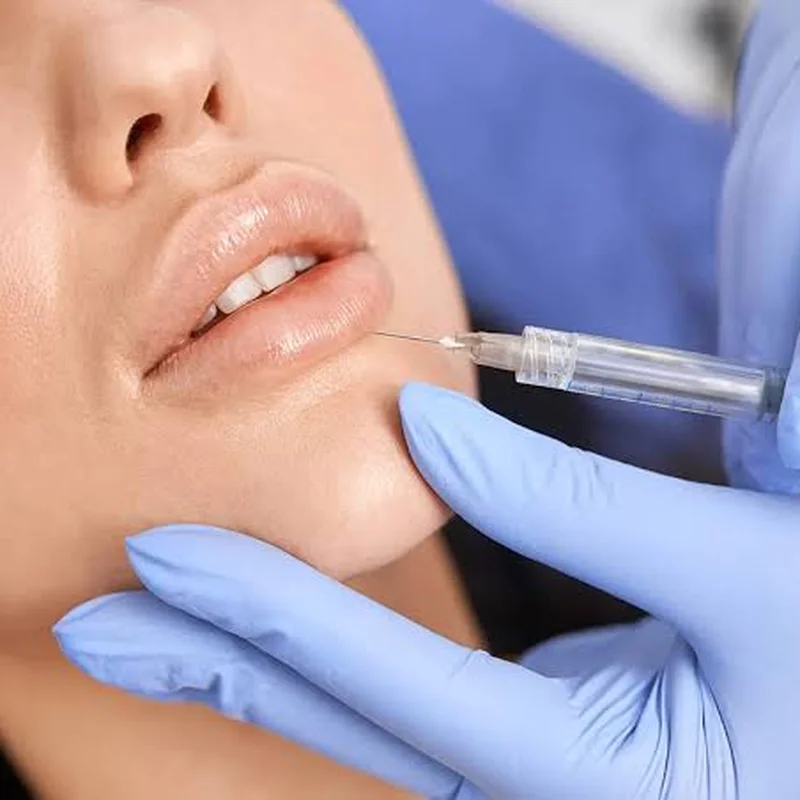
Quick answer: what should a patient know about lip fillers?
Hyaluronic acid (HA) lip filler is an injectable medical treatment that can improve lip volume, border definition, contour, symmetry and age-related deflation. A good result is not simply a larger lip: it is one that suits the person’s face, preserves normal expression and feels proportionate in frontal and profile views. Most patients can return to many routine activities promptly, although swelling, tenderness and bruising may persist for days. HA filler effects are temporary; a commonly discussed range is approximately 6–12 months for many lip products, with some formulations and patients maintaining visible improvement longer. No clinician can guarantee an exact duration or a particular aesthetic outcome. The key safety requirement is a qualified medical injector with anatomical training, authentic product, informed consent and immediate access to an emergency plan. [1–5]
This guide explains what the source slides say, what they leave out, and what current professional guidance adds. It is written for a patient searching for lip filler in Abu Dhabi, but the information is educational; the actual treatment plan, product choice and suitability must be established during an individual medical assessment.
1. Fuller lips are a preference, not a medical requirement
Some patients have always preferred fuller lips; others simply want to restore the definition they had before age-related soft-tissue changes. Neither preference should be framed as an insecurity that must be corrected. The uploaded presentation opens by asking whether the viewer wants fuller lips and notes the growing popularity of injectable fillers. Those observations explain patient interest, not medical necessity and not a universal standard of beauty.
A strong consultation begins with a different question: What exactly would you like to change, and what would you like to keep? One person wants a subtly more visible upper lip on smiling. Another wants slightly greater central projection. A third wants to soften upper-lip vertical lines, improve the Cupid’s bow or correct asymmetry from earlier treatment. The desired change can be small even when the lips themselves are naturally thin.
The lips also communicate emotion. A technically fuller result may still be unsatisfactory if it disrupts smile dynamics, hides the Cupid’s bow or makes the mouth disproportionate to the nose and chin. For this reason, photographs at rest and during expression, alongside clear expectation setting, are often more valuable than choosing a named style before assessment.
2. What does a natural lip filler result look like?
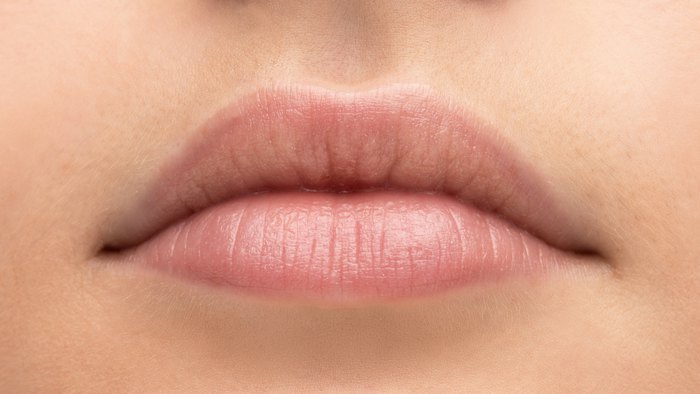
Natural does not mean invisible to everyone. It means that the visible improvement has coherent borders, a believable transition from skin to vermilion, balanced upper and lower lips, and no obvious distortion when the mouth moves. An intentional enhancement can be noticeable while still remaining elegant and proportionate. The patient’s baseline anatomy and personal aesthetic preference should guide the endpoint rather than a single standard ratio.
A natural result commonly respects the relationship between the upper and lower lip, avoids an overly elevated continuous white roll, preserves tapering toward the corners and does not excessively project the area above the upper lip. The desired appearance is often a gentle improvement in shape and hydration-like smoothness, not an isolated increase in milliliters. Overcorrection may produce a shelf-like upper lip, filler migration or a disproportionate profile, especially after repeated sessions without reassessing what remains in the tissue.
The example photographs in the source slide illustrate a change in apparent lip fullness. They are third-party examples with visible external branding, not before-and-after cases performed by Dr. Erfan Rahmani. Their photographic conditions, treatment details and consent for redistribution cannot be independently verified from the deck.
3. What exactly is injected into the lips?
Lip fillers are soft-tissue implants injected by a trained clinician into selected areas of lip tissue. The most familiar contemporary category for routine lip enhancement is cross-linked hyaluronic acid. HA is a glycosaminoglycan naturally present in human tissue; the manufactured gel is stabilized to persist longer than unmodified HA. Different products have different gel structure, firmness, elasticity, water affinity and cohesivity, which influence how they integrate into mobile lip tissue. [1,3,6]
The presentation names Juvéderm and Restylane as examples. These are families of products, not two single interchangeable syringes. Each formulation has its own intended applications, contraindications, labeling and recommended placement. A product appropriate for deep cheek augmentation cannot automatically be assumed appropriate for the mobile, sensitive body of the lips.
HA is favored in part because, if clinically necessary, it may be reduced or dissolved with hyaluronidase. This reversibility offers an important management option but does not erase the risks of injection, nor does it mean every uneven or overfilled appearance requires immediate dissolving. Permanent materials and materials designed for structural support in other facial regions are different and may be inappropriate for direct lip placement.
4. Lip anatomy: definition, shape, projection and movement
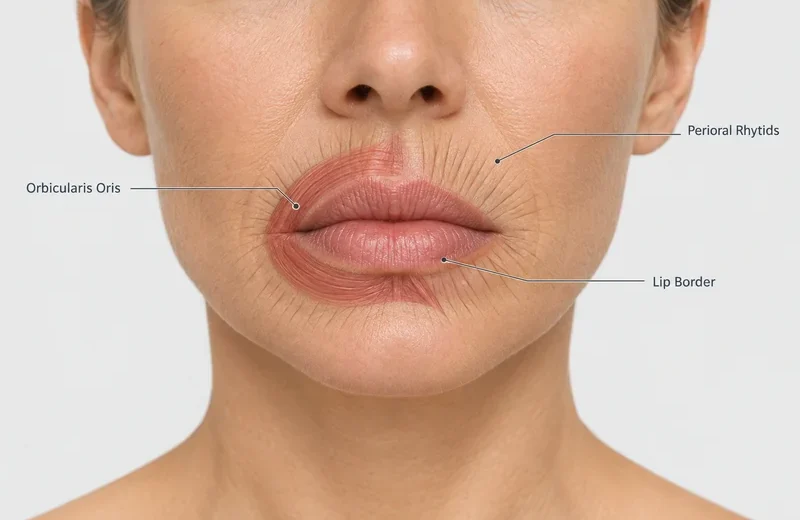
Several anatomical features influence treatment planning. The vermilion is the visible red portion of the lip; the vermilion border marks its transition to surrounding skin. The Cupid’s bow is the characteristic double curve of the upper-lip outline, while the philtral columns are the paired ridges above it. The oral commissures are the corners of the mouth, and the orbicularis oris muscle helps create speech, smiling, pursing and other movements. The wet-dry junction, internal mucosa and vascular network have further relevance for both technique and risk.
A patient asking for more definition may benefit from a different distribution of filler from someone asking for projection. Someone with age-related lip thinning may require cautious restoration rather than aggressive augmentation. A person with already strong border definition may look less natural if filler is repeatedly added to the rim. The goal is to change the tissue that needs change, not to use every possible injection site.
The superior and inferior labial arteries follow variable courses. They may lie at different depths and locations, so neither a familiar diagram nor an assumed ‘safe plane’ can substitute for anatomical expertise. Vascular occlusion is uncommon but potentially serious; a physician must be prepared to recognize it quickly. [1,6]
5. The consultation: a deliberate plan before any injection
An individual lip assessment should cover the person’s goals, baseline asymmetries, lip movement, skin and mucosal condition, prior filler history and the relationship of the mouth to the rest of the face. Standardized frontal, three-quarter and profile images help document the starting point. Images while smiling may reveal dynamic differences that are not visible when the face is still. Photography should be obtained only with appropriate consent and handled in accordance with clinic privacy policies.
The clinician should also review medical history: prior filler or dissolving procedures, cold sores, active infections, allergies including lidocaine sensitivity, significant bleeding or bruising history, relevant medication use, previous adverse reactions and other conditions that affect suitability. Pregnancy and breastfeeding warrant postponement of elective cosmetic filler treatment because safety data are insufficient. A history of recurrent herpes labialis deserves discussion of individualized prophylaxis. Do not stop prescribed anticoagulants or other medicines on your own merely to prepare for cosmetic injections.
A realistic discussion includes possible swelling, repeat treatments, the absence of permanent guaranteed results, the limitations of correcting substantial structural problems with filler alone and the clinic’s response if unexpected pain, discoloration or visual symptoms occur. The decision to proceed should remain voluntary after alternatives—including no treatment—are explained.
6. How a typical medical lip filler appointment works
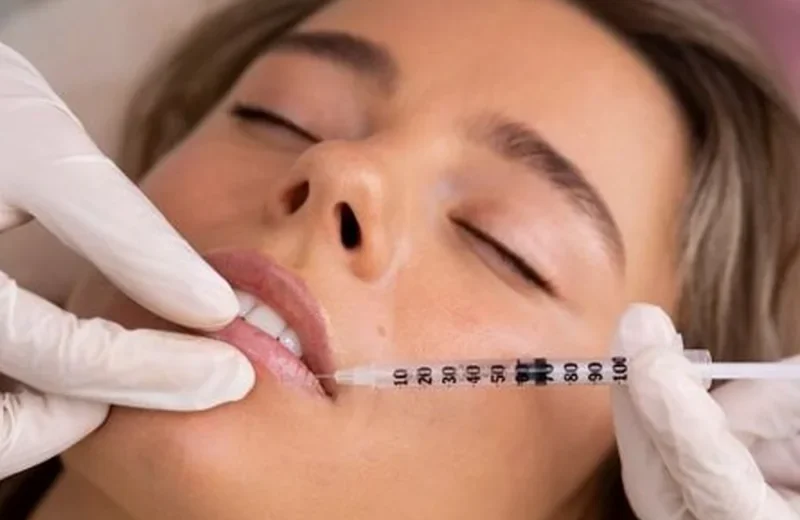
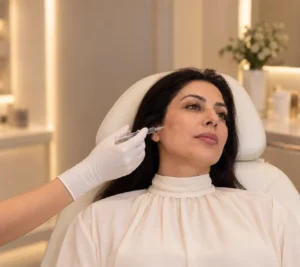
In a routine appointment, the clinician assesses the lips, reviews consent, documents pretreatment photographs and confirms the exact product. The skin is cleansed, and topical anesthetic, local anesthetic or an appropriate nerve block may be considered depending on sensitivity and the product used. Some HA gels contain lidocaine to reduce injection discomfort. A sterile needle or blunt cannula is selected according to the anatomy and intended endpoint. Both tools require skill and neither removes vascular risk. [2,3]
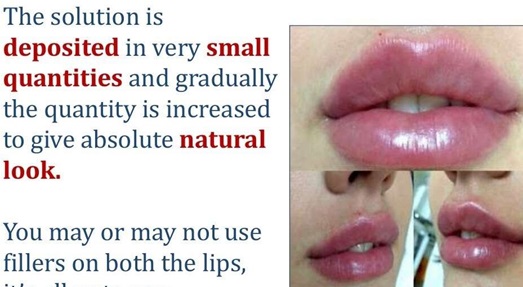
The injector may treat selected areas in small, controlled amounts, continuously observing symmetry, tissue response and the patient’s comfort. A natural result often requires patience: swelling during the session can exaggerate the apparent fullness and make additional filler seem necessary when it is not. Many practitioners favor conservative initial correction, followed by review once edema has settled. The clinician should avoid automatic repetition of a fixed pattern for every patient.
The source presentation describes a small-quantity, gradual approach; this concept is broadly consistent with conservative aesthetic planning. The slide itself, however, does not establish any universally safe amount, needle depth or clinical superiority. Those details should not be inferred from a promotional slide or copied into patient instructions without independent evidence and professional judgment.
7. How much time does a lip filler session take?
A simple injection component may be relatively brief, but the overall appointment includes consultation, consent, anesthetic time, photographs, injection, observation and instructions. For many uncomplicated patients, a practical office visit may be around 20–60 minutes depending on treatment complexity and clinic workflow. The American Academy of Dermatology notes that many filler procedures require one visit and that timing varies by the site and material. [3]
There is no virtue in finishing as quickly as possible. First-time patients, patients with prior filler, significant asymmetry, anxiety or a complex correction may need longer assessment. Efficient care should not mean skipping risk disclosure, checking the exact product or documenting the baseline. A clinician may advise deferring injection if the patient’s goals are unrealistic or a relevant medical issue needs to be addressed first.
Planning also matters when there is an upcoming wedding, important event, travel or professional photography. The injection appointment may be short, but visible swelling or bruising can outlast the visit, so sufficient buffer time is sensible.
8. How long do lip fillers last?
The presentation gives a broad 4–12 month estimate for hyaluronic acid fillers and elsewhere suggests that some Juvéderm outcomes may last longer. These are not necessarily contradictory: duration depends on the precise formulation, treatment site, amount used, local tissue dynamics and patient variation. A broad counseling range of approximately 6–12 months is commonly used for lip fillers, while some product-specific studies support improvement up to a year or beyond in selected cases. [1,3,7]
A filler has no single expiration date. Some improvement can gradually diminish; some HA material may remain detectable after the patient no longer perceives the desired aesthetic effect. Movement, previous treatment volume, gel characteristics, ongoing remodeling and individual biology all affect what can be seen. It is therefore misleading to promise that a syringe will disappear exactly at a chosen month or that an aesthetic result will remain identical for a fixed duration.
Follow-up does not need to be a fixed calendar-based refill. The better question is whether there is a genuine change the patient wants corrected, and whether remaining filler is already providing sufficient support. Unnecessary topping up can accumulate volume and contribute to an overfilled appearance. Maintenance should follow the tissue, not a marketing schedule.
9. Understanding before-and-after photographs
Photos are useful only when they are interpreted carefully. Ideally, lighting, camera distance, angle, facial expression, lip relaxation and the elapsed time after injection should be comparable. A photograph taken immediately after injection may show postprocedure swelling in addition to filler effect, while one taken weeks later is usually more useful for judging a settled result.
The source’s three-stage photograph shows ‘before’, ‘after’ and a later interval and is helpful as a teaching prompt, but it does not give enough independently verifiable patient-level detail to substantiate a general result guarantee. A selection of especially attractive examples may not represent the range of typical outcomes. Clinicians should include realistic expected improvements, possible asymmetry and the possibility that no further filler is the best choice.
10. Swelling, bruising and recovery: a realistic timeline
Most lip filler patients can return to many ordinary activities on the same day, but that statement should never be confused with ‘no recovery effects’. Swelling, tenderness, minor redness, small injection marks and bruising are expected possibilities, particularly because the lips are highly vascular and sensitive. The final contour may look different from the initial mirror image. The AAD notes that minor side effects often improve within 7–14 days, frequently sooner. [3]
- First 24 hours: puffiness and local tenderness may be most noticeable; avoid judging symmetry at this stage.
- Days 2–3: swelling may continue or fluctuate, while any bruising can become more obvious.
- Days 4–7: many patients see substantial improvement in temporary effects.
- Around two weeks: the result is often easier to evaluate, although individual healing varies. A scheduled follow-up may be appropriate when a staged or asymmetry-sensitive plan was used.
Patients should seek prompt assessment if symptoms are atypical rather than simply assuming every change is normal swelling. Severe or increasing pain, pale or dusky areas, a persistent net-like discoloration, visual changes or stroke-like symptoms are warning signs—not routine downtime. [1,2]
11. Why booking before an important event requires planning
A practical recommendation is to schedule an elective new lip filler treatment roughly two weeks or more before an important event. This is not a universal biological deadline; it is a buffer intended to accommodate bruising, swelling and potential reassessment. A patient prone to significant bruising or planning a large change may prefer an even longer interval. Conversely, someone who has already been treated uneventfully might recover more quickly, but that cannot be guaranteed.
Do not schedule initial lip filler immediately before a flight, wedding, major photo session or event where visible swelling would be especially stressful. If a later review or minor adjustment might be needed, leave space for it. It is also wise to avoid unnecessary layering of unrelated procedures just before a deadline; the clinician should decide the safest and most informative sequence if several treatments are being considered.
The uploaded slide describes planning at least two weeks before social occasions. This is a sensible communication message, but its exact timing is not derived from a controlled study within the slide deck.
12. Juvéderm lip fillers: brand family, not one universal syringe
The source presentation devotes several slides to Juvéderm. The important distinction is between brand recognition and product suitability. Juvéderm includes multiple HA formulations designed for different anatomical targets. For example, US product information lists Juvéderm Ultra XC and Volbella XC for certain lip and perioral indications, while other formulations are intended for treatment of deeper facial folds, cheeks, chin or jawline. Indications vary by country, formulation and regulatory approval; a UAE clinic must follow locally applicable product labeling and institutional policies. [8]
Product selection involves more than choosing a famous name. The clinician considers tissue thickness, desired projection versus subtle line correction, gel firmness, cohesivity, water attraction, injection plane and previous filler. A product that gives effective structural cheek volume may be undesirable for direct lip-body placement. Conversely, a very soft gel selected for tiny superficial changes may not provide the projected look sought by a patient who wants meaningful central augmentation.
Discuss the precise product name and batch or lot details with the treating facility. Ensure packaging is authentic and sealed. Do not assume that a promotional collage listing several products means each one is approved or suitable for every location pictured.
13. Juvéderm versus Restylane: what truly matters?
Both are established families of hyaluronic-acid fillers. The question is not which logo is universally ‘best’, but which individual gel formulation is appropriate for the patient’s anatomy and aim. A clinician may prefer a particular formulation for subtle border refinement, another for softness and integration into moving tissue, and another for volume support. The same brand can offer gels with substantially different characteristics.
| Consideration | Juvéderm family | Restylane family | Patient takeaway |
|---|---|---|---|
| Main material | Multiple HA gels | Multiple HA gels | Both have distinct product formulations. |
| Lip-specific examples | Ultra XC / Volbella XC in selected markets | Kysse and other lip-labeled products depending on market | Verify the exact local label. |
| Longevity | Depends on product and patient | Depends on product and patient; Kysse data support up to about 1 year | Never interpret a maximum as a guarantee. |
| Feel and movement | Varies by gel and placement | Varies by gel and placement | Skill and anatomy matter as much as brand. |
| Complication management | HA may be amenable to hyaluronidase | HA may be amenable to hyaluronidase | Reversibility does not make injection risk-free. |
For reference, the manufacturer’s US FAQ states that Restylane Kysse lip results have been shown to last up to one year. This product-specific statement should not be generalized to every HA formulation or patient. [7]
14. Matching treatment to the correct facial region
One slide maps products and aesthetic treatments across the entire face. This can teach an important lesson: the lips are only one component of facial harmony. Patients sometimes perceive a small upper lip because the chin is relatively prominent, the upper jaw is less projecting, the nasolabial transition is deep or age-related surrounding tissue loss changes the balance. Adding lip filler alone will not necessarily correct those factors.
A face-wide consultation may review cheeks, jawline, chin, smile lines and skin quality, but it should not turn into an automatic recommendation to inject every area. The treatment indication, benefit, risk and patient preference must be assessed separately. Some products depicted in marketing illustrations are not labeled for certain areas in a particular jurisdiction. A map is not a substitute for local regulatory labeling.
The emphasis should remain on natural structure and proportional correction, with the fewest necessary interventions. For some people, the best treatment plan is simply a small amount of lip filler; for others, a different treatment or no injection is more appropriate.
15. Clinical outcomes: do not confuse advertising with evidence
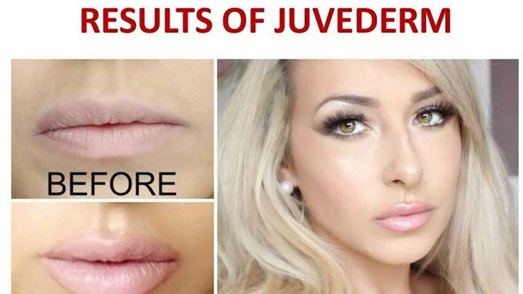
A slide titled ‘Results of Juvéderm’ illustrates a before-and-after appearance. The image alone does not tell us the exact product, total volume, injection technique, patient selection, clinical assessment scale or long-term durability. These missing details matter when a photograph is used to support a claim about treatment efficacy or product superiority.
In medical writing, stronger evidence comes from prospective trials, comparative studies, systematic reviews, validated lip-fullness scales and meaningful follow-up, not only promotional images. Marketing examples can explain what people hope to achieve; clinical evidence helps assess how reliably the technique or product achieves that result and what adverse events occur. Photographs should be labeled as illustrative, with the source and follow-up interval where known, without suggesting the exact same appearance is guaranteed.
This guide deliberately separates three categories: what appears in the uploaded slide deck; what current professional guidance supports; and what can only be established during a consultation. That distinction improves medical accuracy and strengthens the trustworthiness of a health-related webpage.
16. Are lip fillers safe? An evidence-based answer
Modern HA lip fillers have a substantial clinical experience base, and many treatments proceed without major problems when performed appropriately. However, any injectable facial filler is a medical procedure with potential complications. Common risks include bruising, redness, swelling, tenderness, pain and itching. Less common problems include persistent nodules, asymmetry, infection, inflammatory reactions, product migration and allergic reactions. Rare but serious complications can occur when filler compromises blood flow. [1,2]
Accidental intravascular injection or vascular compression may impair tissue perfusion. Prompt clinical recognition is essential because delayed treatment may worsen injury. The FDA identifies skin necrosis, vision abnormalities including blindness and stroke among the rare but potentially permanent outcomes of filler-related vascular events. The fact that a technique is called ‘gentle’, ‘natural’, ‘no-touch’ or ‘microinjection’ does not eliminate these possibilities.
Safety planning includes informed consent, accurate anatomical assessment, authentic product, a clinician trained to manage complications and clear instructions about urgent warning signs. A clinic should have an established response and referral protocol rather than improvising after symptoms appear. Patients should not be reassured to wait at home if there is severe unexpected pain or progressive color change.
17. Different Juvéderm products do different jobs
The slide deck lists Voluma, Vollure, Ultra, Volbella and related products. These names reflect distinct formulations and intended indications. Voluma, for example, is known primarily for structural volume indications such as the cheeks in FDA labeling; it should not be presented as a default lip filler. Ultra XC and Volbella XC have lip-related indications in US labeling, while the named European and UAE marketed products and their local indications may differ. [8]
This is a particularly important issue for a website audience in Abu Dhabi. The US Food and Drug Administration is a useful source for safety principles, but FDA approval is not the same thing as authorization in the UAE. The physician and facility must verify the product’s local market status, labeling and appropriate technique. The patient’s decision should be grounded in the exact proposed product, not in a mixture of US and European brand names from an older slide.
A product discussion can also consider how the HA gel behaves with expression, how easily a border becomes conspicuous, and whether more volume is needed at all. When the lips already contain filler, reviewing prior material, migration and asymmetry may be more important than choosing an entirely new brand.
18. The broader Juvéderm treatment map: why it is not a prescription
Promotional facial diagrams sometimes combine sites and durations into a single attractive graphic. These should be read with caution. Results at the cheeks are not equivalent to results at the lips, and an ‘up to’ duration cannot be assumed for every patient. Different facial regions have different movements, vascular anatomy, tissue thickness and approved uses.
For this article’s focus, the relevant question is narrower: Which HA gel, if any, best supports the patient’s lip-specific goal? A patient seeking subtle Cupid’s bow definition may not need whole-face volumization. Someone with deeper static perioral lines may be better served by a tailored combination of skin-focused treatment and minimal filler rather than escalating the volume in the lips themselves.
Do not copy the older product indications or timing claims from an infographic directly into booking pages without checking current manufacturer labeling and UAE permissions.
19. Common side effects versus warning signs
Temporary fullness, mild unevenness, bruising, local redness and tenderness are relatively common after lip injection. They usually settle as inflammation resolves. Minor palpable areas early on do not always represent a persistent filler nodule; edema or localized bruising can mimic irregularity. Conversely, not every unusual change should be dismissed as a normal reaction. The pattern, timing, pain level and skin color are important. [1–3]
| Finding | Often part of expected recovery | Action |
|---|---|---|
| Mild swelling and tenderness after the appointment | Yes | Follow clinic instructions; reassess once the area settles. |
| Limited bruising without severe pain | Often | Monitor and contact the injector if worsening. |
| Early cosmetic asymmetry from uneven edema | Possible | Avoid unnecessary immediate top-up; schedule review. |
| Persistent or increasing severe pain | No | Urgent medical assessment. |
| White, grey, blue, mottled or dusky skin | No | Immediate assessment for vascular compromise. |
| New visual disturbance, weakness or speech difficulty | No | Seek emergency medical care immediately. |
| Warm, expanding redness with fever or discharge | No | Prompt medical assessment for infection. |
Do not attempt to massage, heat, puncture or dissolve a suspicious lip area on your own. Management should be directed by a clinician who can distinguish expected effects from complications.
20. Vascular occlusion and vision complications: what patients must understand
Unusual immediate pain, blanching or progressive discoloration during or after filler can indicate impaired blood supply. The appearance can evolve, and symptoms may emerge after the patient has left the clinic. Urgent evaluation is critical; a medical injector may use specific interventions for an HA-associated complication and arrange emergency specialist care when required. Emergency treatment protocols change with emerging evidence, so a public blog should explain warning signs and the need for rapid clinical action rather than publish an improvised at-home treatment recipe.
Vision loss or any stroke-like sign after filler must be treated as a medical emergency. Even though these events are rare, a history of many routine successful treatments does not eliminate the possibility of a severe complication. The FDA specifically advises immediate attention for unusual pain, altered skin color, visual symptoms or neurological symptoms occurring during or shortly after dermal filler treatment. [1,2]
This safety information is not intended to frighten patients away from thoughtful care; it is part of genuine informed consent. A responsible practitioner is willing to discuss rare complications clearly, including the limitations of available treatments.
21. Aftercare: what to do in the first two days
Follow the instructions supplied by the treating clinic because product selection and clinical context affect the plan. Many patients are advised to avoid vigorous physical activity for approximately 24–48 hours to reduce additional bruising and swelling. Intense heat exposure, saunas and unnecessary pressure on the lips may be worth avoiding in the immediate period. Gentle external cooling through a clean barrier can improve comfort if the treating clinician agrees. [4,5]
Do not massage the lips routinely unless the injector specifically instructs you to do so; some filler placements are sensitive to manipulation. Keep the treated area clean, avoid unsterile home interventions and do not use aggressive cosmetics on disrupted skin immediately after injection. If a patient has active cold sores, infection or unexpected symptoms, the care plan must be modified clinically. Mild swelling alone does not mean the filler should be dissolved or ‘pushed into place’.
Maintain adequate hydration and ordinary nutrition, but recognize that lifestyle changes do not guarantee a fixed filler lifespan. Patients taking prescribed medicines should follow their usual medical advice unless their prescribing clinician explicitly changes it. If any symptom falls outside the expected recovery pattern, contact the clinic promptly.
22. Can you predict whether the result will last six months or two years?
No clinician can accurately promise a particular person’s filler longevity before treatment. The slide deck provides a wide possible range and assigns differences to product and patient factors. This is broadly plausible, but the upper end of an advertising range should not be converted into a guarantee. A product may have evidence of visible correction at a specified follow-up, yet that is different from proving it always lasts that long for every patient.
The lips are mobile, and the patient’s perception of residual effect can differ from actual HA persistence in the tissue. In addition, an individual might seek a new treatment before the original material has completely disappeared. The safest maintenance plan begins with an examination for remaining volume and contour rather than automatic refilling every six or nine months.
For many patients, the most valuable outcome is not maximum duration at any cost, but proportionate appearance, comfortable movement, medical safety and the ability to adjust conservatively as preferences and anatomy change.
23. When should existing lip filler be corrected or dissolved?
A dissatisfied patient may have normal swelling, transient asymmetry, superficial product, an overfilled upper-lip profile, migration, delayed nodules or a problem unrelated to filler. Each has a different assessment pathway. Early after a routine treatment, swelling should usually be allowed to settle before cosmetic conclusions are made. When concerning pain or ischemic signs are present, immediate medical evaluation takes priority over aesthetic waiting.
Hyaluronidase is an enzyme that can reduce or dissolve HA filler, and it may be appropriate for selected unwanted HA deposits or complications. It is not a universal reversal method for every implant. The decision depends on the filler type, anatomy, timing, symptom pattern and clinical urgency. The patient should know that dissolving itself can have adverse effects and should not be viewed as a harmless beauty shortcut. [1]
An experienced assessment may include reviewing product records and imaging where clinically appropriate, particularly when the original filler is unknown, longstanding or associated with persistent symptoms. New filler should not automatically be injected into an unresolved problem simply to mask it.
24. What if you already have filler or want a larger change?
The most common planning error in repeat lip augmentation is assuming that every new visit should include another full syringe. Cosmetic fullness can accumulate, and areas that appear deflated in one expression may still contain substantial gel in another. Careful comparison of standardized photographs and the profile view helps clarify whether the patient needs refinement, correction, dissolving or no further treatment.
For naturally thin lips, a dramatic one-session transformation may distort the upper lip or overwhelm the existing facial proportions. A staged approach can allow discussion of swelling and aesthetic preferences before further treatment. However, the number of sessions and total volume should not be prescribed from a blog because they depend on the patient’s baseline tissue, previous treatments and final goal.
Patients who want clearly dramatic lips can still have a respectful, nonjudgmental consultation. The clinician’s responsibility is to explain anatomical constraints, the possible consequences of overfilling and what is realistically achievable without compromising safety.
25. First-time lip filler: a practical decision checklist
Before booking, ask the clinician which precise product is planned, whether it is appropriate and authorized for use in the intended region, what natural changes are realistic and how swelling will affect early photographs. Ask whether the doctor has experience managing filler complications and what steps the facility uses to respond to urgent symptoms. Confirm that the total price, follow-up arrangement and possible need for further sessions are transparent.
If you have a history of cold sores, significant allergic reactions, autoimmune illness, repeated filler migration or an adverse event, discuss this before choosing an appointment date. If you are pregnant or breastfeeding, elective treatment is generally deferred. If medication affects bleeding, seek guidance from the prescriber before changing anything. If you have a wedding or major event, schedule treatment with a buffer rather than just a few days in advance.
Finally, ensure that your request is specific: ‘more definition, not more size’, ‘slightly fuller upper lip’, ‘restoration of age-related deflation’ or ‘correction of unevenness’. Such language gives the physician a meaningful clinical goal; a generic instruction to ‘use 1 mL’ does not.
26. Lip filler price in Abu Dhabi: what determines cost?
A responsible price discussion should be based on the exact authenticated product, total clinical work, facility, injector expertise and follow-up policy. A cheaper quote is not necessarily good value if it relies on an inappropriate gel, unexplained product sourcing or a rushed treatment plan. Conversely, an expensive syringe does not automatically guarantee better results. Volume should be chosen for aesthetic need, not to exhaust a pre-purchased amount.
Prices vary over time and between providers. The uploaded slide deck does not contain verified Abu Dhabi pricing, and this article does not invent a current fee. Patients should request a written quotation directly from their treating facility, including whether VAT, reviews or corrective work are included. A consultation can sometimes reveal that a smaller correction or no treatment is better than the package initially requested.
27. Building an individual treatment plan in Abu Dhabi
Dr. Erfan Rahmani’s editorial approach for this site is to communicate the importance of natural facial balance and informed decisions. A lip consultation should consider facial proportions, rest and smile views, existing filler, product choice, expected recovery and safety. This paragraph describes an editorial framework, not a claim that any particular technique or clinical outcome is guaranteed, nor that a specific clinic currently stocks a named brand.
Patients in Abu Dhabi can learn about related aesthetic treatments at www.drerfanrahmani.com and use the official consultation channels listed there. For a site visitor, the most helpful next step is an assessment that establishes the desired level of enhancement and whether lip filler is appropriate at all.
Useful links:
28. Frequently asked questions about lip fillers in Abu Dhabi
1. What are lip fillers made of?
Most conventional nonsurgical lip augmentation today uses stabilized hyaluronic-acid gels. The exact product varies and should be chosen for the patient’s anatomy and the desired contour.
2. Are lip fillers the same as Botox?
No. HA filler adds or restores soft-tissue volume and shape. Botulinum toxin changes muscular activity and is used for different indications, including selected perioral concerns.
3. Do lip fillers look natural?
They can. Naturalness depends on baseline anatomy, the amount and location of product, the chosen gel, the injector’s planning and the patient’s preference. It cannot be guaranteed from a photograph.
4. Is a full syringe necessary for every patient?
No. A specific volume is not automatically required. A clinician should treat the anatomical goal rather than use a predetermined amount simply because the syringe contains it.
5. How long does the appointment take?
Many visits can be completed within roughly 20–60 minutes, but assessment, anesthesia, injection, observation and complexity all influence the appointment length.
6. Does lip filler hurt?
Patients may experience pressure or stinging despite topical anesthetic or lidocaine-containing filler. Comfort measures are tailored to the individual and the treatment plan.
7. Will my lips look bigger right away?
There is usually an immediate visible change, but early swelling contributes to that appearance. The settled result is better judged after recovery.
8. How long will swelling last?
Swelling often improves over several days, although some people have visible changes for a week or longer. Persistent or worsening unusual swelling warrants review.
9. Is bruising normal after lip filler?
Limited bruising can occur because the lips are vascular. Severe pain, discoloration or rapidly worsening symptoms are not routine bruising and need urgent evaluation.
10. Can I return to work on the same day?
Many patients can resume ordinary work, but appearance-related swelling and bruising may make an immediate return less convenient, especially for public-facing roles.
11. Can I exercise after lip filler?
Many clinicians recommend avoiding intense exercise for about 24–48 hours to minimize swelling and bruising. Follow individualized instructions.
12. Can I wear lipstick immediately after the procedure?
Avoid applying cosmetics to disrupted or sensitive injection sites immediately after treatment; ask the injector when it is appropriate to resume your normal routine.
13. Can I kiss after lip filler?
Avoid excessive pressure while the lips are sore or swollen, and follow specific aftercare advice from the treating clinician.
14. Can I have lip filler before a wedding?
Yes, but allow enough time for recovery and possible reassessment. Booking at least a couple of weeks in advance is a reasonable planning principle, not a guaranteed recovery deadline.
15. How long does HA filler last in the lips?
Many lip products are discussed in a broad six-to-twelve-month range, and some have product-specific data supporting a longer visible benefit. Results vary considerably by person and formulation.
16. Is Juvéderm better than Restylane?
Neither entire product family is universally superior. Selection should be based on the exact gel’s properties, indication, availability and the patient’s goal.
17. Is Restylane Kysse made for lips?
It is a lip-focused HA filler in the manufacturer’s product family; always verify the precise product’s current local labeling before treatment.
18. Is Juvéderm Voluma a lip filler?
It is primarily used for deeper structural facial volume indications in relevant labeling, and should not be treated as a default direct-lip augmentation product.
19. Are cheap or online-purchased lip fillers safe?
Patients should avoid self-injection and unverified products. Only properly sourced and appropriately authorized injectables administered by trained licensed professionals should be considered. [1]
20. Are needle-free lip filler pens safe?
The FDA warns against needle-free devices for dermal filler injection; these can cause serious injuries because placement cannot be controlled adequately. [2]
21. Can lip filler migrate?
Migration or an unwanted contour change can occur. It needs clinical assessment rather than automatic additional filler.
22. Can a lip filler be dissolved?
HA filler can sometimes be reduced with hyaluronidase. The indication, timing and risk of dissolving should be discussed with a clinician.
23. Does dissolving hurt or carry risks?
Dissolving may involve discomfort and adverse reactions; it is a medical intervention, not a completely risk-free cosmetic reset.
24. What is lip filler vascular occlusion?
It is impaired blood flow related to filler entering or affecting a vessel. Severe or increasing pain, blanching and unusual color changes require urgent medical assessment.
25. Can filler cause blindness?
Vision loss is a rare but serious recognized complication of facial fillers. Any visual symptom after injection warrants emergency medical care. [1]
26. Will every patient get asymmetrical lips?
No. Mild initial asymmetry can reflect normal anatomy or temporary edema. Persistent differences need individualized assessment.
27. Can lip filler fix very thin lips?
It can often increase visible fullness, but the degree of change should respect tissue constraints and facial proportions. Large transformations may be better approached in stages.
28. Can lip filler correct the Cupid’s bow?
Selected HA treatment may refine upper-lip contours, but exaggerated border enhancement can look artificial; an assessment is needed.
29. Can I choose a Russian-lips look?
You can describe an aesthetic preference, but technique names should never override anatomical suitability, vascular safety or realistic expectations.
30. Can fillers correct age-related lip thinning?
They may restore some lost shape and volume. Mature lip rejuvenation may also involve skin quality, perioral lines and the relationship to the rest of the face.
31. What if I have a history of cold sores?
Tell the clinician. Injection can be associated with recurrence in susceptible people, and individualized antiviral planning may be discussed.
32. Can lip filler be done during pregnancy?
Elective filler treatment is generally postponed during pregnancy because safety evidence is insufficient.
33. What if I am breastfeeding?
The safety evidence for elective aesthetic filler in breastfeeding is limited; deferral is generally the prudent approach.
34. Should I stop blood thinners before filler?
Not without advice from the prescribing clinician. The risk of changing essential medication can be much greater than the risk of a bruise.
35. Is one brand’s filler guaranteed to last a year?
No. ‘Up to’ durations from clinical studies describe observed populations and products, not an individual guarantee.
36. Can I get filler when I already have filler in my lips?
Possibly, but the clinician should assess existing volume, contour and any migration or nodules before deciding whether further material is appropriate.
37. What if the lips seem too big the next morning?
Early swelling can be substantial. If there are no danger signs, contact the treating clinic for guidance rather than assuming the filler itself is excessive. Severe pain or abnormal discoloration requires urgent assessment.
38. Is it normal to feel small bumps?
Temporary small irregularities can be noticed during healing, but persistent or symptomatic nodules should be evaluated to distinguish swelling, product placement and inflammatory or infective causes.
39. Can I get filler and Botox on the same day?
Combination treatment can be appropriate for selected patients, but sequencing and suitability depend on the areas, goals and the clinician’s judgment.
40. Can lip filler change my smile?
Lip shape and projection can change the appearance of a smile. Excessive treatment may interfere with natural proportions, which is why smile assessment matters.
41. Do all patients need an upper-to-lower lip ratio of 1:1.6?
No. Suggested ratios are aesthetic references rather than universal rules. Facial anatomy, cultural preferences and the person’s own goals matter.
42. Why do you need photos before injecting filler?
Standardized images help document baseline asymmetry, proportions and results, and are useful for making measured decisions about future treatment.
43. What determines lip filler cost in Abu Dhabi?
The exact product, injector’s professional service, facility, treatment complexity and follow-up policy all affect price. Request a verified current quote rather than relying on outdated advertisements.
44. When is a touch-up appropriate?
Usually after swelling has settled and the clinician identifies a real remaining concern. A routine automatic top-up is not required for every patient.
45. Can I avoid the ‘duck lip’ look?
A conservative, anatomy-based plan, careful attention to profile and avoiding repeated unnecessary filler can reduce the likelihood of an overprojected appearance.
46. What if I dislike the proposed treatment plan?
You can decline. Elective cosmetic treatment should proceed only when the clinician’s recommendation, the expected benefit and your preferences are aligned.
47. What symptoms mean I should seek emergency help?
Sudden visual change, speech difficulty, weakness, severe unusual pain or white/grey/blue skin changes during or shortly after filler require immediate medical attention. [1,2]
48. Where can I read more about lip fillers in Abu Dhabi?
For further locally oriented information and consultation details, visit Dr. Erfan Rahmani’s verified lip filler service page and contact page at www.drerfanrahmani.com.