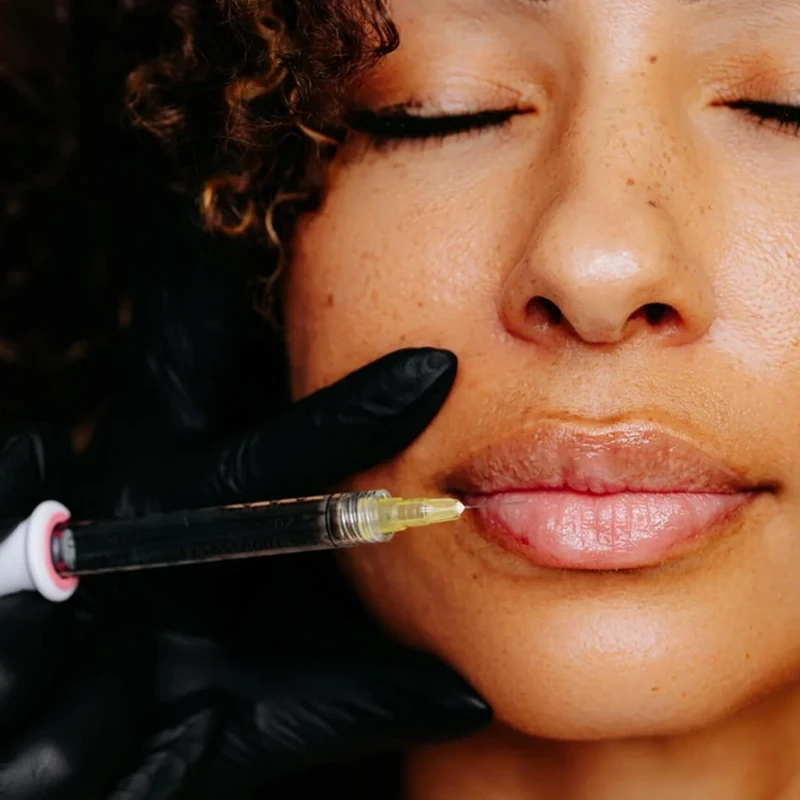
Lip fillers are injectable soft-tissue gels used to restore or enhance lip volume, improve definition, support symmetry, and soften selected lines around the mouth. Modern treatments most commonly use hyaluronic acid (HA), a water-binding substance already present in human tissues. The best result is not necessarily the largest lip: it is the shape, movement, projection, and proportion that fit the individual face. Results appear quickly, but early swelling is not the final result; a personalised medical assessment and a qualified injector are essential. [1–4] Lips do not exist in isolation. Their appearance depends on the relationship among the nose, teeth, chin, surrounding skin, jawline, smile dynamics and facial proportions. Two people who receive an identical volume of HA filler may have very different results because their lip tissue, baseline projection, dental support, asymmetry and facial expressions are different. An assessment should ask what is missing before asking how much product to use. Some patients have adequate volume but would benefit from clearer borders; others have reduced vermilion display, small asymmetries, downturned corners or age-associated thinning. A balanced plan separates structural support, contour and volume. This principle sits at the centre of the original anatomical discussion by Luthra and remains relevant when choosing a conservative, personalised approach. [1] A natural-looking result should also look appropriate while speaking, smiling and at rest—not only in a carefully posed photograph. Fullness viewed from the front is only one dimension; forward projection seen in profile can transform the apparent shape. The aim is to improve the lips without making them visually disconnected from the rest of the face. The vermilion is the visible pink or red portion of the lip. Its junction with facial skin forms the vermilion border, sometimes described as the white roll. The Cupid’s bow is the double-curved contour at the centre of the upper lip, while the philtrum consists of the vertical groove and ridges between the nose and upper lip. The oral commissures are the mouth corners. Each landmark contributes to perceived definition, expression and balance. The upper and lower lips are mobile structures composed of skin, mucosa, connective tissue, muscle, vessels and nerves. Their surface texture and apparent fullness change with age, sun exposure, habits, genetics and the supporting dental and skeletal anatomy. The soft-tissue shape is therefore not simply a skin problem or a volume problem. [1] Anatomical balance is especially important when an individual already has a prominent upper lip, strong natural projection or an elevated smile line. Enhancing one area without examining adjacent structures may exaggerate imbalance. Conversely, subtle treatment may make a considerable aesthetic difference when the starting proportions are already close to the desired result. Lip filler can support several distinct treatment goals. A consultation should specify the outcome in precise language rather than using “bigger lips” as a universal target. The most common indications include naturally thin lips, age-related loss of lip body, less distinct borders, uneven fullness between sides, mild changes in the oral commissures, and requests for greater upper- or lower-lip projection. [1–3] Congenitally thin lips and lips that have become thinner with age may benefit from carefully chosen HA filler. The plan should consider the capacity of the surrounding tissue and the difference between vertical height and forward projection. Gradual treatment may be preferable when a dramatic one-session change would create excessive pressure on the tissue or a visibly artificial contour. A patient with reasonable lip volume may want crisp definition rather than increased size. The Cupid’s bow, central tubercles and vermilion border can influence how the lipstick line, smile and resting mouth appear. An overemphasised border, however, may be conspicuous or unnatural, especially if the lip body itself is not proportionately supported. Perfect symmetry is uncommon, and one side of the lip may naturally differ during rest or animation. Mild asymmetry can sometimes be reduced with treatment. Before injecting, the physician should distinguish tissue-volume asymmetry from differences caused by the teeth, jaw, previous filler, scarring, muscle movement or facial nerve function. Not every asymmetry is correctable with filler alone. Ageing can affect the corners of the mouth, fine vertical lip lines and the relationship between the lips and nearby facial folds. The original paper discusses the oral commissures and perioral rejuvenation as part of a broader treatment plan. Depending on the cause, a combination approach or a different modality may be more appropriate than filling the lips heavily. [1] HA filler cannot consistently correct skeletal disharmony, replace orthodontic treatment, remove all dynamic lines or provide a permanent surgical lip lift. It also cannot guarantee a certain celebrity appearance because anatomy, tissue response, and movement differ. A medical consultation should leave space for the answer that no filler—or less filler—is the best choice. No universal “ideal lip ratio” fits every face or cultural preference. An injector should assess the frontal view, oblique angles, profile, smiling view and the face at rest. Some patients want a softer central pout; others value lower-lip support, preserved oral width or minimal alteration of their natural shape. The patient’s preference matters, but a safe and proportionate result also depends on what the anatomy can reasonably accommodate. In men who prefer to maintain traditionally masculine contours, a restrained emphasis on border and natural proportion can help avoid an unwanted change in lip character. Others may request more projection. Likewise, women do not all want the same amount or style. These considerations should be guided by individual goals, not by rigid assumptions based on gender or ethnicity. The 2015 source highlighted average sex-related differences in projection; modern personalised care places the patient’s stated aesthetic target at the centre of planning. [1] “Natural lip filler” describes the aesthetic goal rather than a specific product or mandatory injection pattern. It usually means maintaining recognisable lip proportions, avoiding harsh edges, preserving dynamic movement and using a conservative amount of appropriately selected filler. “Russian lips” is a marketing term commonly associated with a more vertically accentuated, defined upper lip. The label does not itself guarantee a result, a particular safety profile or a standardised medical technique. The important clinical question is whether a requested shape fits the person’s existing lip anatomy. A treatment style that looks appropriate on a naturally broad lip may not fit a narrow lip with limited tissue height, or a lip already altered by previous filler. The doctor should explain the probable benefits and limitations before treatment. For a separate style comparison, see the existing site page on Russian lip filler Related reading: Russian Lip Filler in Abu Dhabi Not all HA fillers behave identically. Different gel technologies, cohesivity, elasticity, cross-linking characteristics and water affinity influence how a product supports a lip and how it feels during movement. Selection depends on whether the goal is subtle softness, definition, structural shape or moderate fullness. Brand recognition alone does not determine suitability; product authenticity and appropriate professional use are essential. HA is commonly chosen for lip augmentation because it is temporary, can create visible change without surgery and, in many circumstances, may be reduced with hyaluronidase. “Dissolvable” does not mean every complication is easily reversible or that it is acceptable to take risks. Delayed recognition of a vascular event can still cause serious harm. Permanent or non-HA products can present different long-term management challenges. [1,2] The source article lists several historical HA products and contrasts them with materials that raised concerns about granulomas. Its brand list reflects the time of publication (2015), not a current stock recommendation or proof of product approval in the UAE. Patients should ask which specific product will be used, why it was selected, and whether its origin, expiry and relevant local authorisation can be verified. [1] Patients frequently ask whether 0.5 mL is sufficient or whether 1 mL will look natural. These are useful conversation starters, not prescriptions. A small volume may improve border definition or a mild asymmetry, whereas a full syringe may suit a different face and target. The same nominal volume may appear subtle in one person and excessive in another. A staged plan can allow tissues to settle before deciding whether further adjustment is desirable. The physician should evaluate the baseline lip tissue, existing filler, tendency to swelling, desired profile and whether there are features that would make expansion undesirable. Patients should not feel pressured to use a full syringe simply because it is available or to undergo immediate top-ups before early swelling resolves. The original publication shows pre- and post-treatment views following 1 mL of HA. Those figures illustrate a clinical example, not a promise that everyone receiving 1 mL will look similar. The images below are from the 2015 source and are not presented as treatment photographs of Dr. Erfan Rahmani’s patients. [1] Needles and blunt-tipped cannulas are different tools used in injectable aesthetic medicine. Each has advantages, constraints and a learning curve. A cannula can be associated with fewer entry points or less bruising in some situations, but neither instrument eliminates the possibility of vascular injury or other complications. The safest approach cannot be reduced to a blanket statement that “cannula is risk-free” or “needle is always better.” The 2015 article reviews serial puncture, linear threading and cannula techniques as ways to meet different aesthetic goals. That discussion belongs in the professional assessment of anatomy, product and clinician competence; a patient’s priority should be the injector’s training, informed consent and complication-readiness, rather than one advertised instrument. [1,2] A responsible consultation starts with the person rather than with a syringe. The clinician should ask about the desired change, previous filler or dissolving treatment, surgeries, scars, allergies, infections, medication use and the timing of upcoming social events. A history of cold sores (herpes labialis) is particularly relevant because trauma around the lips can trigger recurrence; selected patients may need a preventive plan. [1,3] Assessment usually includes the face at rest and while smiling, the outline of the lips, oral commissures, tooth display, asymmetry and existing projection. Patients should be told what is realistically possible, which limitations remain, expected bruising or swelling, product choice, total cost and potential complications. The original paper specifically emphasised synchronising physician and patient expectations rather than treating the requested shape as automatically achievable. [1] Medical indications, contraindications and product availability must be confirmed with the treating clinician under the applicable UAE/Abu Dhabi regulatory framework; this educational page does not claim that any named product is locally approved. After informed consent and baseline photographs where appropriate, the treatment area is assessed and cleaned, the planned contour is discussed, and pain management may be offered. Common approaches include a topical anaesthetic or a suitable local anaesthetic technique, with awareness that some forms of local anaesthesia can temporarily distort lip shape. HA products may also contain lidocaine. The injector selects the approach according to individual anatomy and clinical judgement. [1] Treatment itself is usually a brief outpatient appointment, followed by an assessment of the appearance and immediate tissue response. A degree of swelling, tenderness or small injection-site marks can be expected. Patients should leave knowing which symptoms are ordinary, which symptoms are not, and exactly how to contact a qualified medical professional if something changes. One of the most common mistakes is judging the cosmetic outcome before the early inflammatory response has settled. Immediately after filler, the lips can look larger or less symmetrical than intended because of oedema. Bruising and discomfort vary substantially between individuals. The original source described a broad recovery window; newer patient education likewise recommends allowing time before treating the day-one result as definitive. [1,3,4] Mild to moderate swelling, tenderness, redness, small puncture marks or bruising can occur. Follow the individual aftercare instructions provided by the treating clinic. Avoid unnecessary touching, squeezing or self-massage. Cool compresses may be appropriate if recommended; excessive pressure or unverified home remedies should be avoided. New intense pain, a patch of unusually pale or dark skin, altered vision, or rapidly progressive symptoms are not routine swelling. Swelling may be more noticeable early in recovery, including on the following morning. Bruising may become easier to see before it fades. The apparent contour and symmetry can change during this period. A single photograph taken during these days is an unreliable representation of the eventual aesthetic outcome. Many people notice substantial improvement over the first week, although residual swelling or tenderness can last longer. Daily routines often resume quickly, but very strenuous exercise is frequently deferred for the first 24–48 hours to reduce swelling and bruising. Individual medical advice takes precedence. [3] By roughly the two-week mark, the result is often more settled and can be evaluated more fairly. This is a useful time for an arranged clinical review, especially when treatment was intentionally conservative or a patient has questions about small asymmetries. Persistent or worsening pain, warmth, redness, expanding nodules or other unusual changes require an earlier medical assessment. [4] Mild bruising and swelling are not the same as a complication. At the same time, reassurance should never delay assessment of severe pain, colour change, visual symptoms or possible infection. A clear escalation pathway is part of safe medical practice. Most commonly reported effects are temporary swelling, bruising, redness, tenderness, itching or a brief sense of firmness. Possible less common problems include asymmetry, uneven texture, a palpable nodule, product movement, prolonged inflammation, infection, allergic reaction or herpes reactivation. Some complications occur late, and a patient should still mention the history of filler when being assessed for a new unexplained lip problem. [1,2] The most significant medical risk is inadvertent injection into or compression of a blood vessel, potentially disrupting blood supply to tissue. While rare, vascular occlusion may cause skin injury or necrosis. Vision-threatening and neurological events have also been reported with dermal fillers and demand emergency assessment. Neither lip vascularity nor use of a particular device should be used to imply zero risk. [2,5] If a vascular complication is suspected, it requires immediate assessment and management by a qualified clinician using an appropriate current protocol. Urgent hyaluronidase management can be relevant to HA-related vascular compromise, but dosing and technique are clinical decisions—not home-care instructions. [2,5] The 2015 source includes older management suggestions, including measures that have since been refined by newer evidence. For a current patient-facing webpage, it is better to stress recognition, urgent escalation, and the clinician’s preparedness than to reproduce historical emergency treatment details without context. [1,5] Hyaluronidase is an enzyme that may be used in selected circumstances to break down HA filler. It may help address an unwanted aesthetic result or form part of emergency care for vascular compromise. The decision depends on examination, the filler material, medical context and the reason for treatment; it is not a universal “reset button.” Non-HA or permanent fillers may be difficult to remove, and removal procedures themselves can have risks. [2] Patients concerned about filler migration or a persistently uneven result should arrange a clinician assessment rather than attempt to massage or dissolve filler independently. Where available and clinically appropriate, imaging such as high-frequency ultrasound can sometimes help identify previous filler or support assessment of a complication. A 2025 international expert consensus describes expanding clinical roles for ultrasound while emphasizing proper equipment and operator training. [6] A visible “shelf” above the upper lip, an unnatural border, unwanted projection or persistent irregularity can result from several causes, including anatomy, technique, product behaviour or previous treatments. Not every apparent ridge means actual filler migration: swelling, muscle activity and natural tissue folds can imitate it. Examination and history matter more than a diagnosis made from social-media photographs. Overcorrection can be hard to conceal because the lips are central to facial expression and are constantly moving. The medical goal should be an aesthetically satisfactory result using the minimum appropriate intervention, not the largest possible volume. Waiting for healing and considering staged refinement helps avoid decisions made while tissue is swollen. [1] Hyaluronic acid lip fillers are temporary, but the duration is not fixed. The product used, treatment volume, tissue characteristics, movement, metabolism and prior treatment history all influence how long a visible result remains. Different reputable patient resources describe ranges from approximately six months to 12–18 months, reflecting different products and contexts. A practical expectation is several months to around a year or longer, with considerable individual variation. [3,4] The disappearance of a visible cosmetic effect is not proof that every trace of HA has disappeared from the tissue. Equally, a patient should not expect the original shape to remain unchanged for a specific guaranteed period. Follow-up treatments should be based on the current appearance and patient goals, not an automatic calendar deadline. A lip flip and HA lip filler address different concerns. A Botox lip flip uses a neuromodulator to influence the movement of selected muscles around the upper lip, which can subtly alter how the upper lip appears; it does not add HA gel volume. Filler can change contour, body or projection. A surgical lip lift changes the relationship between the upper lip and nose and has different indications, recovery and permanence. The right choice depends on the true anatomical cause of the concern. For someone mainly bothered by dehydration or texture, a lip-care plan may be more appropriate than injection. For someone seeking a major permanent structural change, filler may not be the most predictable solution. An ethical consultation explains alternatives and the option of deferring treatment. If you are comparing lip filler options in Abu Dhabi, start with medical suitability rather than promotional volume discounts. Ask who will evaluate and perform the treatment; verify the clinician’s current professional authorisation and relevant scope of practice; and ask how complications are recognised and managed. Clinical quality is demonstrated by appropriate selection, patient education, documentation and aftercare—not by a promise of zero downtime or a guaranteed “perfect” shape. A useful local consultation should include an explanation of the proposed product, whether the requested contour is realistic, likely recovery time, the total quoted cost, and how to seek prompt help after hours. Patients travelling from elsewhere in the UAE should plan enough time to accommodate early swelling and a sensible follow-up arrangement. Clinic location, appointments and product availability can change; confirm these details directly before travelling. The final fee depends on the filler product, amount used, consultation and clinical plan. A lower advertised price alone does not establish product authenticity, provider skill, aftercare access or overall value. Patients should request a clear quotation and understand whether reviews or any necessary follow-up assessment are included. Because prices and promotions change, this educational article deliberately avoids presenting a fixed, unverified fee. It means the change fits the entire face, not merely the lips in isolation. Natural-looking lip augmentation preserves facial identity, the ability to communicate expressions comfortably and a plausible relationship among the upper lip, lower lip, chin and nose. In some patients a small improvement in border definition is enough. In others, careful restoration of lost volume can noticeably rejuvenate the mouth without drawing attention to the treatment itself. The 2015 anatomical review reached a conclusion still useful today: successful lip shaping depends on understanding lip structure and function, choosing appropriate techniques and tailoring treatment to the individual. Added to that traditional message are modern expectations of explicit safety counselling, authentic products and readiness to respond to uncommon but serious complications. [1,2,5] HA lip fillers have a well-established medical use, but no injection is risk-free. Temporary bruising and swelling are common; infection, nodules and rare vascular complications are important reasons to choose a qualified practitioner and understand emergency symptoms. They can. Natural-looking results rely on balanced proportions, the right product, individual tissue capacity and conservative planning. An exaggerated effect is not an inevitable result of filler. For some lips, a small amount can improve shape or mild asymmetry. For others, the change may be subtle or insufficient. Volume alone cannot predict the aesthetic outcome. Not necessarily, but it can be excessive for particular lips or goals. The right amount depends on baseline anatomy, prior filler and desired change; staged treatment may be preferable. A change is visible soon after treatment, but early swelling can exaggerate the apparent volume. The more meaningful assessment is after the tissue settles, often around two weeks. Swelling is commonly most noticeable during the early days and frequently improves substantially within a week, though individual recovery can be longer. Unexpectedly severe pain or colour change should never be treated as routine swelling. Many patients experience visible benefit for several months to about a year or longer. Some medical resources describe ranges up to 12–18 months; the actual duration varies with product and individual factors. HA filler can often be reduced using hyaluronidase where clinically appropriate, but that process has risks and limitations. Other filler materials may be much harder to remove. Unwanted changes in contour can occur, but not every ridge or upper-lip fullness is true migration. A clinician should assess the area before recommending removal or correction. A history of herpes labialis should be disclosed. Active lesions may require postponing treatment, and patients with recurrent episodes may need a clinician-directed preventive plan. Because robust safety information is limited for these elective treatments, they are generally deferred and discussed with the treating healthcare professional. A lip flip changes muscle activity using a neuromodulator; HA filler adds or redistributes volume and changes lip contour. The right option depends on anatomy and goals. Both are legitimate medical instruments with different advantages. Neither eliminates vascular risk; operator competence and complication readiness are essential. Yes, selected patients seek small adjustments to symmetry or age-related volume. The treatment should be tailored to each person’s preferred appearance, not a predetermined shape. Seek urgent assessment for severe or increasing pain, blanching or mottling, sudden visual change, neurological symptoms, blistering, or rapidly worsening skin colour. Visual or neurological symptoms require emergency care. Many aftercare recommendations advise avoiding strenuous exercise for roughly 24–48 hours to reduce swelling and bruising, but the treating clinician should give instructions based on your case. There is no single best brand for every lip. Authenticity, product characteristics, suitability, regulatory status and the physician’s clinical judgement matter more than brand popularity. You can review the related lip filler service information and request an individual medical consultation through Dr. Erfan Rahmani’s official website, www.drerfanrahmani.com.The short answer: What are lip fillers?
Key facts at a glance
Why lip shaping matters more than simple lip enlargement
Understanding the anatomy of beautiful, functional lips
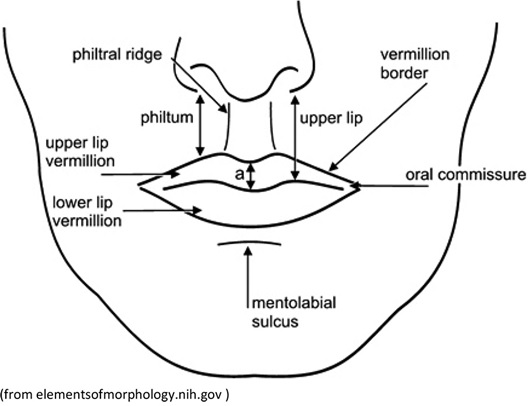

What lip fillers can improve—and what they cannot
1. Thin or volume-depleted lips
2. Defining the Cupid’s bow and vermilion border
3. Asymmetry and uneven projection
4. Downturned corners and the ageing perioral region
5. The limits of lip filler
How lip aesthetics differ among individual faces
Natural lip filler, Russian-style lips and other requested looks
Choosing hyaluronic acid filler: why product selection matters
How much lip filler is needed: 0.5 mL versus 1 mL
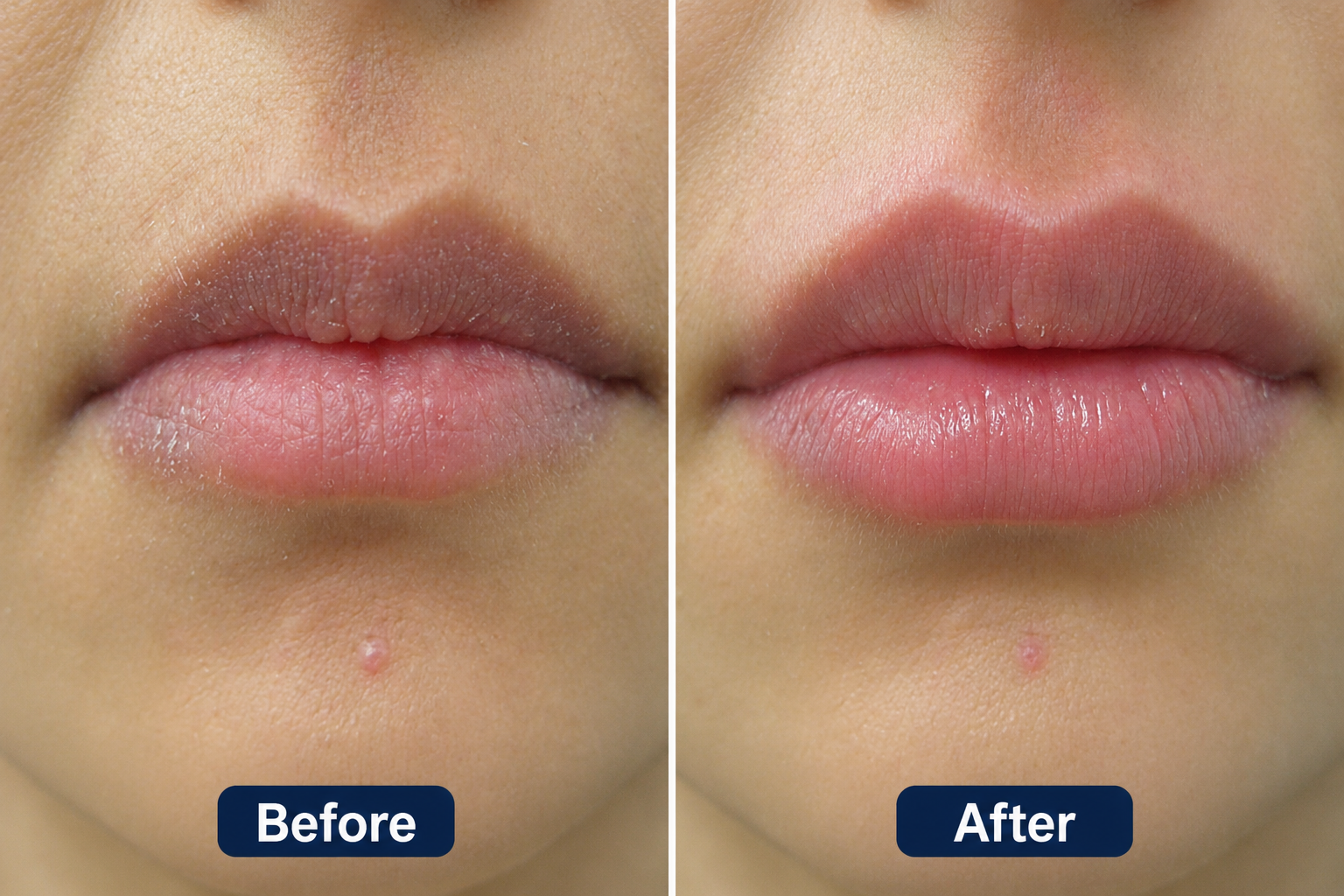
Needle or cannula: is one automatically safer?
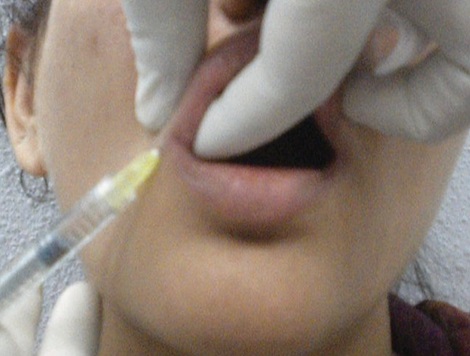
What happens at a proper lip filler consultation in Abu Dhabi?
Medical questions worth discussing before injections
What the appointment and procedure generally involve
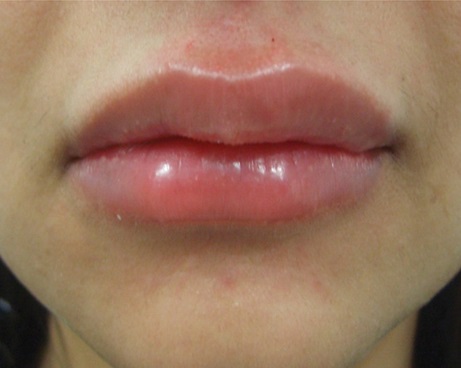
Lip filler recovery: day-by-day expectations
The first 24 hours
Days 2–3
Days 4–7
Around two weeks
Lip filler aftercare: practical, realistic advice
Lip filler safety: common side effects and rare serious complications
Warning signs that should never be dismissed
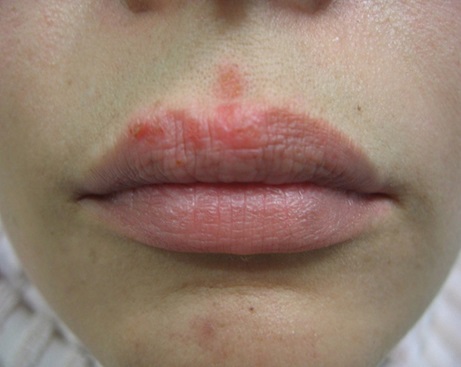
Can lip fillers be dissolved?
Lip filler migration, lumps and overfilling: what patients should know
How long do lip fillers last?
Lip filler versus a Botox lip flip, lip lift or no treatment
Lip fillers in Abu Dhabi: how to evaluate a provider
How much does lip filler cost in Abu Dhabi?
What does a truly natural-looking result mean?
Frequently asked questions about lip fillers in Abu Dhabi
Are lip fillers safe?
Do lip fillers look natural?
Can 0.5 mL of lip filler make a difference?
Is 1 mL of lip filler too much?
How soon will I see results?
How long does swelling last after lip filler?
How long do lip fillers last?
Are lip fillers reversible?
Can lip filler migrate above the lip?
Can I get lip filler if I have cold sores?
Is filler suitable during pregnancy or breastfeeding?
What is the difference between a lip flip and lip filler?
Are needle and cannula treatments equally safe?
Can men have lip filler without changing the masculine character of the lips?
When should I seek urgent medical help after lip fillers?
Can I exercise after lip fillers?
Which lip filler brand is the best?
Where can I read about lip filler treatment in Abu Dhabi?
keep reading
Related articles
 Lip Filler
Lip Augmentation Materials, Results & Complications: What Systematic Reviews Actually Show
Read more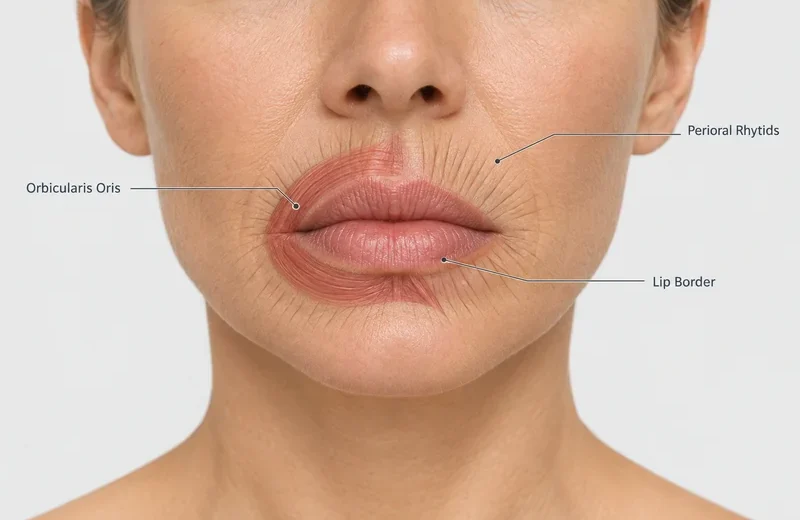 Lip Filler
Vertical Lip Lines and Perioral Wrinkles in Abu Dhabi: RHA Redensity, Evidence, Safety and Treatment Choices
Read more Lip Filler