
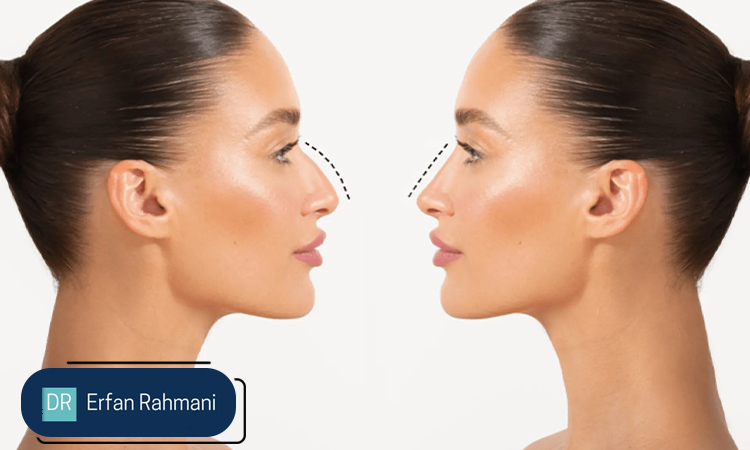
Over the past decade, non-surgical cosmetic procedures have seen a dramatic rise in popularity. Among these, nose filler — also known as non-surgical rhinoplasty — has emerged as a compelling alternative to traditional nose surgery. But how do you know which approach is right for you?
This article offers a comprehensive, honest comparison of nose filler and rhinoplasty across the most important factors: longevity, results, cost, recovery, and risk. Whether you are exploring your options for the first time or trying to make a final decision, this guide will help you make an informed choice based on your individual needs.
What Is Nose Filler?
Nose filler, also referred to as non-surgical rhinoplasty or liquid rhinoplasty, is a minimally invasive cosmetic procedure that uses injectable dermal fillers to reshape and refine the appearance of the nose — without any surgery.How Nose Filler Works
The procedure involves injecting a gel-based substance, most commonly hyaluronic acid (HA), into specific areas of the nose. Hyaluronic acid is a naturally occurring substance in the body, making it well-tolerated and reversible in most cases. The entire treatment typically takes between 15 and 30 minutes and can be performed in a clinic setting with minimal discomfort.What Changes Are Possible with Nose Filler?
Nose filler is a highly versatile treatment within its scope. It can address a range of cosmetic concerns, including:- Smoothing out mild to moderate bumps or dorsal humps on the nose bridge
- Creating a straighter, more refined nasal profile
- Lifting or projecting the nasal tip for a more defined appearance
- Correcting minor asymmetries or irregularities
- Improving overall nose symmetry and balance with facial features
Limitations of Nose Filler
While nose filler offers impressive results for the right candidates, it has clear limitations:- It cannot reduce the size of the nose — filler adds volume rather than removing it
- Results are temporary and will gradually dissolve over time
- It is not suitable for significant structural issues such as severe deviation of the nasal septum or major reshaping goals
- Repeated treatments are required to maintain results
What Is Rhinoplasty (Surgical Nose Job)?
Rhinoplasty, commonly referred to as a nose job, is a surgical procedure performed by a plastic or maxillofacial surgeon to permanently alter the shape, size, or structure of the nose. It is one of the most commonly performed cosmetic surgeries worldwide.How Rhinoplasty Is Performed
Rhinoplasty involves making incisions either inside the nostrils (closed rhinoplasty) or across the tissue between the nostrils (open rhinoplasty). The surgeon then restructures the underlying bone and cartilage to achieve the desired shape. The procedure is performed under general anaesthesia and typically takes one to three hours.What Changes Are Possible with Rhinoplasty?
Rhinoplasty allows for comprehensive structural changes to the nose, including:- Reducing or increasing the overall size of the nose
- Removing a prominent dorsal hump completely
- Refining, lifting, or repositioning the nasal tip
- Correcting a deviated septum, which can also improve breathing function
- Narrowing wide nostrils or reshaping the nasal base
- Correcting congenital deformities or post-trauma damage
Advantages and Limitations of Rhinoplasty
The primary advantage of rhinoplasty is permanence — the results last a lifetime. However, this comes with trade-offs:- A recovery period of several weeks is required
- Swelling and bruising are expected during healing
- There are inherent surgical risks, including anaesthesia complications and infection
- Final results may not be fully visible for up to 12 months as swelling subsides
- Revision surgery may occasionally be needed
Nose Filler vs Rhinoplasty: Key Differences
Surgical vs Non-Surgical Approach
The most fundamental difference is that rhinoplasty is a surgical procedure requiring anaesthesia, incisions, and a recovery period, while nose filler is a non-surgical, injectable treatment with no downtime. This distinction alone makes nose filler the preferred option for individuals who wish to avoid the risks and commitment associated with surgery.Longevity of Results
Nose filler results typically last between 6 and 18 months, depending on the type of filler used, the individual's metabolism, and the area treated. After this period, the filler naturally dissolves and the nose returns to its original appearance — unless the treatment is repeated. Rhinoplasty, on the other hand, delivers permanent results. Once fully healed, the changes made during surgery are lasting and do not require maintenance treatments.Degree of Change Possible
Nose filler is best suited for subtle, targeted refinements. It excels at improving symmetry, softening bumps, and enhancing the nasal profile — but cannot reduce the size of the nose or make dramatic structural alterations. Rhinoplasty offers transformative, structural changes. It is the appropriate choice for patients seeking significant reshaping, reduction, or functional correction of the nose.Recovery and Downtime
One of the greatest advantages of nose filler is the absence of meaningful recovery time. Most patients return to their normal activities immediately or within 24 to 48 hours. Minor swelling or bruising at the injection site may occur but typically resolves quickly. Following rhinoplasty, patients can expect visible bruising and swelling for one to two weeks. Strenuous activity must be avoided for several weeks, and the nose will continue to change as it heals over several months.Risk Profile
Nose filler carries a low overall risk profile. The most significant potential complication is vascular occlusion — a rare but serious event in which filler is inadvertently injected into or compresses a blood vessel. When performed by a qualified and experienced injector, this risk is significantly minimised. In most cases, hyaluronic acid fillers can be dissolved immediately using hyaluronidase if a complication occurs. Rhinoplasty carries the standard risks associated with surgical procedures, including anaesthetic reactions, infection, poor wound healing, and the possibility of unsatisfactory results requiring revision.Pros and Cons of Nose Filler
Advantages
- No surgery or general anaesthesia required
- Quick procedure — typically completed in under 30 minutes
- Minimal to no downtime
- Results are immediate and visible
- Reversible in most cases with hyaluronidase
- Lower cost compared to surgical rhinoplasty
- Allows patients to preview changes before committing to surgery
Disadvantages
- Results are temporary and require repeat treatments
- Cannot reduce the size of the nose
- Not suitable for structural or functional corrections
- Ongoing cost over time if maintained regularly
Pros and Cons of Rhinoplasty
Advantages
- Permanent, long-lasting results
- Can achieve comprehensive structural changes
- Suitable for both cosmetic and functional concerns (e.g., deviated septum)
- No need for repeat treatments or maintenance
Disadvantages
- Requires general anaesthesia and a surgical environment
- Significant recovery period and temporary downtime
- Higher upfront cost
- Surgical risks, including the possibility of needing a revision
- Final results take months to fully appear
Who Is a Good Candidate for Nose Filler?
Nose filler is an excellent option for individuals who:- Are seeking subtle refinements rather than dramatic changes
- Wish to smooth a mild to moderate nasal bump
- Want to improve the symmetry or projection of the nasal tip
- Prefer a non-surgical solution with no recovery period
- Would like to trial a new nose appearance before considering permanent surgery
- Have realistic expectations about the scope of non-surgical changes
Who Is a Good Candidate for Rhinoplasty?
Rhinoplasty is the more appropriate option for individuals who:- Have a prominent dorsal hump that they wish to remove completely and permanently
- Have a deviated nasal septum affecting breathing or appearance
- Are seeking significant reduction or reshaping of the nose
- Desire permanent results without ongoing maintenance
- Are in good overall health and prepared for a surgical procedure and recovery
Which Option Is Better for You?
The right choice depends on your personal goals, budget, and the degree of change you are hoping to achieve.Based on Your Aesthetic Goal
If you are looking for a subtle improvement — refining the profile, smoothing a small bump, or balancing asymmetry — nose filler is likely the better starting point. If you want a significant, permanent transformation, rhinoplasty is the appropriate path.Based on Your Budget
Nose filler has a lower initial cost, but because results are temporary, the cumulative cost of repeated treatments over several years can approach or exceed the cost of surgery. Rhinoplasty represents a higher one-time investment, but eliminates the need for ongoing treatments.Based on Your Tolerance for Risk and Downtime
If avoiding surgery, anaesthesia, and recovery time is a priority for you, nose filler is clearly the lower-risk, more convenient option. If you are prepared for a surgical process and want a definitive, lasting outcome, rhinoplasty offers permanence that filler cannot.Can Nose Filler Replace Surgery?
Nose filler is not a replacement for rhinoplasty. It is a complementary option that works well within a specific and defined scope of change. The two treatments serve different purposes for different patients. For patients who want to reduce the size of their nose, correct a deviated septum, or make significant structural changes, surgery remains the only viable option. Nose filler cannot achieve these outcomes, regardless of the quantity of product used or the skill of the injector. However, for the right candidate, nose filler can deliver genuinely impressive results — and in some cases, patients choose filler as a long-term alternative to surgery, never needing an operation at all.Frequently Asked Questions
Is nose filler dangerous?
When performed by a qualified medical professional with a thorough understanding of facial anatomy, nose filler is a safe procedure. The most serious risk is vascular occlusion, which is rare but can be managed effectively when identified and treated promptly. Always choose an experienced, medically qualified injector.Can nose filler cause the nose to become misshapen?
Poor technique or the use of inappropriate filler products can lead to irregular results. This is why choosing a reputable, experienced practitioner is essential. Results from hyaluronic acid fillers can be corrected or dissolved if necessary.How long does nose filler last?
Most nose fillers last between 6 and 18 months. The exact duration depends on the type of filler used, the volume injected, the specific area treated, and individual factors such as metabolism and lifestyle.Can I have nose filler after rhinoplasty?
In many cases, yes. Nose filler can be used after rhinoplasty to refine the result, address minor irregularities, or make small adjustments. It is important to wait until the nose has fully healed — typically at least 12 months — and to consult with your surgeon before proceeding.Which gives a more natural-looking result?
Both procedures, when performed skillfully, can deliver highly natural results. Nose filler is generally associated with subtle, graduated changes that integrate seamlessly with the existing nose shape. Rhinoplasty allows for more comprehensive changes, and the skill of the surgeon plays a significant role in achieving a natural, harmonious outcome.Summary
Nose filler and rhinoplasty are both effective solutions for improving the appearance of the nose — but they serve different purposes and suit different patients. Nose filler is ideal for subtle refinements, quick results, and those who prefer a non-surgical approach with no recovery time. It is temporary, reversible, and well-suited for targeted improvements. Rhinoplasty is the right choice for patients seeking permanent, structural changes — particularly those who want to reduce the size of the nose, correct functional issues, or achieve a comprehensive transformation. The most important step is to consult with a qualified aesthetic professional who can assess your individual anatomy, understand your goals, and guide you toward the treatment that will give you the best, most natural result. At Dr. Erfan Rahmani Aesthetics in Abu Dhabi, we take a personalised, detail-oriented approach to every consultation. Whether you are considering nose filler or exploring your options more broadly, we are here to help you make the right decision — safely and confidently.
Rate this post