
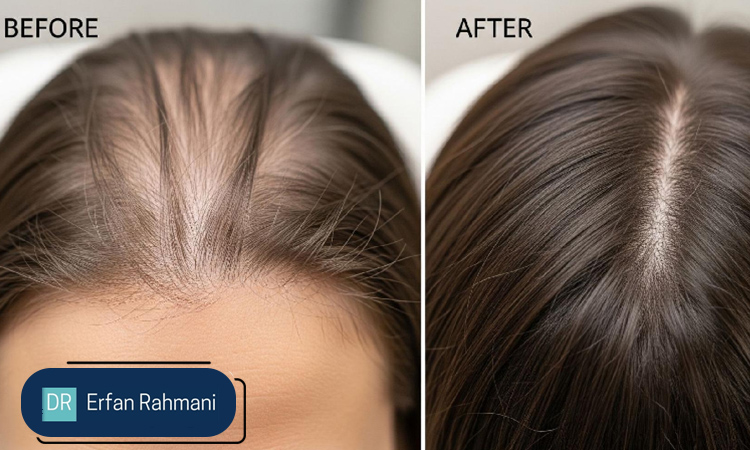
Hair loss is one of the most common aesthetic concerns affecting millions of people worldwide. Losing hair can have a profound impact on self-confidence and overall quality of life. In recent years, mesotherapy has emerged as a popular non-invasive treatment for controlling hair loss and stimulating hair growth.
But the key question remains: does mesotherapy actually work for hair loss? In this comprehensive article, we provide a clear, science-backed answer and examine every aspect of this treatment — from how it works to expected results, side effects, and how it compares to alternatives like PRP.
In some cases, combining mesotherapy and PRP can produce superior results compared to either treatment alone. The right approach depends on your specific condition and should be determined by a qualified specialist.
What Is Hair Mesotherapy?
Hair mesotherapy is a minimally invasive procedure in which a customized cocktail of nutrients, vitamins, amino acids, and growth-stimulating compounds is injected directly into the scalp. It was first introduced in the 1950s by French physician Dr. Michel Pistor and is now widely used around the world as a hair loss treatment.How Is Scalp Mesotherapy Performed?
A trained specialist uses ultra-fine needles or a specialized mesotherapy device to inject the therapeutic solution into the mesoderm — the middle layer of the scalp — at a depth of approximately 1 to 4 millimeters. This direct delivery ensures that active ingredients reach the hair follicles efficiently. Each session typically lasts 30 to 45 minutes. A topical numbing cream may be applied beforehand to minimize any discomfort during the procedure.What Is Injected During Hair Mesotherapy?
The mesotherapy cocktail is typically a blend of the following:- B-complex vitamins (especially biotin), Vitamin C, and Vitamin E
- Minerals: zinc, selenium, and silica
- Amino acids — essential for keratin and hair protein synthesis
- Coenzyme Q10 — a powerful antioxidant
- Growth factors and peptides
- Hyaluronic acid — to improve scalp hydration and elasticity
How Does Mesotherapy Stimulate Hair Follicles?
Mesotherapy works through several synergistic mechanisms: it directly nourishes dormant or weakened follicles, improves local blood circulation, reduces scalp inflammation (a key driver of hair loss), and helps restore hormonal balance at the follicle level. Together, these effects create an optimal environment for healthy hair growth.Does Mesotherapy Actually Work for Hair Loss?
The short answer: yes — mesotherapy is effective for many types of hair loss. However, results depend significantly on the underlying cause and stage of hair loss, the patient's age, the condition of their follicles, and the quality of the injectable solution used. Multiple scientific studies have demonstrated that mesotherapy can meaningfully reduce hair shedding and stimulate new hair growth. The best results are consistently seen in the early to moderate stages of hair loss, before significant follicle damage has occurred.Which Types of Hair Loss Respond Best to Mesotherapy?
Mesotherapy is most effective for:- Androgenetic alopecia (hormonal hair loss) in early stages
- Telogen effluvium — stress-related or post-illness shedding
- Postpartum hair loss
- Nutritional deficiency-related hair loss
- Thin, weak, or low-volume hair without severe shedding
When Should You Not Expect a Miracle?
Mesotherapy has real limitations. Realistic expectations are important in the following cases:- Advanced baldness where follicles have been permanently destroyed
- Hair loss caused by untreated systemic diseases
- Scarring alopecia or permanent scalp damage
Key Benefits of Mesotherapy for Hair
Reduced Hair Shedding
One of the primary benefits is a noticeable reduction in daily hair loss. The injected nutrients strengthen follicles and improve cellular metabolism, preventing premature hair shedding. Most patients report a significant decrease in hair fall within 3 to 4 sessions.Follicle Strengthening
By delivering active ingredients directly to the follicles, mesotherapy revitalizes weakened roots from within. Dormant follicles can be reactivated, leading to the production of stronger, healthier hairs.Increased Hair Thickness
Hair that grows after mesotherapy treatment tends to be thicker and more resilient. The direct nutritional support helps improve keratin structure at the hair shaft level, resulting in visibly fuller hair.Improved Scalp Blood Circulation
Mesotherapy stimulates local microcirculation, delivering more oxygen and nutrients to the scalp. This improved blood flow creates a healthier environment for hair growth even beyond the direct effects of the injected substances.Reactivation of Weakened Hair
Follicles that are weakened but not yet dead can be reactivated through mesotherapy. This makes it particularly valuable as an early intervention — a significant advantage over oral treatments that work more slowly.Who Is a Good Candidate for Mesotherapy?
Mild to Moderate Hormonal Hair Loss
People experiencing hormone-related hair thinning — due to androgens, thyroid imbalances, or similar causes — tend to respond well to mesotherapy, especially when treatment begins in the early stages.Stress-Related or Post-Diet Hair Loss
Sudden hair shedding following intense stress or restrictive dieting is an ideal case for mesotherapy. In these situations, the follicles are typically healthy and simply need nutritional support to recover.Thin or Low-Volume Hair
People with fine, limp, or low-density hair — even without severe shedding — can benefit from mesotherapy to improve overall hair quality, thickness, and vitality.Postpartum Women
Hair loss after pregnancy and childbirth is extremely common. Mesotherapy can accelerate recovery and strengthen follicles that have been weakened by hormonal shifts, helping new mothers regain thicker, healthier hair faster.Who Is NOT a Good Candidate for Mesotherapy?
Advanced or Complete Baldness
If hair loss has progressed to the point where follicles are permanently destroyed, mesotherapy cannot create new follicles. In these cases, hair transplantation is a more appropriate option.Active Scalp Conditions
Active infections, psoriasis flares, eczema, or any active scalp inflammation contraindicate mesotherapy until the condition is fully treated. Injecting into an inflamed scalp risks spreading infection or worsening the condition.Severe Allergies or Sensitivities
Individuals with known hypersensitivity to any component of the mesotherapy cocktail should not undergo the treatment. A thorough medical evaluation is essential before starting any course of injections.Pregnancy (In Certain Cases)
Mesotherapy is generally not recommended during pregnancy due to uncertainty about the effects of certain injected compounds on the fetus. This decision should always be made in consultation with a qualified physician.How Many Sessions Does Hair Mesotherapy Require?
A standard mesotherapy protocol typically follows this structure:- Initial phase: 6 to 10 sessions, spaced 1 to 2 weeks apart
- Maintenance phase: one session per month for 3 to 6 months
- Long-term upkeep: 3 to 4 sessions per year to sustain results
Potential Side Effects of Hair Mesotherapy
Temporary Redness and Inflammation
Mild redness and scalp sensitivity following each session are normal and expected. These typically resolve within 24 to 48 hours. Applying a cold compress can help soothe the area.Mild Itching or Sensitivity
Some patients experience temporary itching at injection sites. This is a natural reaction to the injected substances and is generally harmless and short-lived.Minor Pain at Injection Sites
Since ultra-fine needles are used, discomfort is usually mild. Most patients describe the sensation as minor pin pricks. Topical anesthetic cream applied before the session can reduce any discomfort significantly.Risks from Non-Specialist Clinics
The greatest risk associated with mesotherapy comes from having it performed by unqualified practitioners or in non-accredited facilities. Poor technique, contaminated solutions, or inappropriate compounds can lead to infection, scarring, or worsened hair loss. Choosing a reputable clinic with a qualified medical professional is essential.Mesotherapy vs. PRP: Which Is Better?
Both treatments are effective, but they work differently and suit different patients. The table below provides a clear comparison:| Feature | Mesotherapy | PRP | Notes |
| Injectable substance | Vitamin & nutrient cocktail | Patient's own blood plasma | PRP is 100% natural |
| Cost per session | Lower | Higher | Mesotherapy more affordable |
| Hair growth stimulation | Good | Stronger in some patients | PRP may yield deeper results |
| Number of sessions | More sessions needed | Fewer sessions needed | Mesotherapy needs more follow-up |
| Discomfort level | Mild | Mild to moderate | Both well-tolerated |
| Best suited for | Most types of hair loss | Resistant or advanced cases | Doctor decides based on case |
How to Maximize the Results of Hair Mesotherapy
Follow a Nutrient-Rich Diet
Adequate intake of protein, iron, zinc, Vitamin D, and biotin through a balanced diet significantly enhances mesotherapy outcomes. Foods such as eggs, nuts, fatty fish, and dark leafy greens are particularly beneficial for hair health.Manage Stress Effectively
Chronic stress is one of the leading triggers of hair loss. Incorporating stress-management techniques such as yoga, meditation, regular exercise, and adequate sleep can meaningfully improve treatment results.Use the Right Hair Care Products
Shampoos formulated for hair loss that contain caffeine, keratin, or biotin can complement mesotherapy. Avoid sulfate-heavy shampoos and products with harsh chemicals that may damage the scalp or strip natural oils.Combine With Supplements or PRP if Recommended
Pairing mesotherapy with appropriate oral supplements or PRP sessions — if advised by your doctor — can produce more significant and lasting results. Topical treatments such as minoxidil may also serve as a useful complement to the injectable sessions.Frequently Asked Questions
Is hair mesotherapy painful? Mesotherapy uses very fine needles, so discomfort is generally mild. Most patients describe it as a sensation of light pin pricks across the scalp. Topical numbing cream applied before the session makes the procedure comfortable for the vast majority of patients. How long do mesotherapy results last? With proper maintenance sessions, results can last for months or even years. Without any follow-up treatment, hair loss may gradually return. Most specialists recommend 3 to 4 maintenance sessions annually to preserve results long-term. Can mesotherapy regrow hair? Yes, in many cases. Mesotherapy can reactivate dormant or weakened follicles, leading to the regrowth of hair that had thinned or stopped growing. However, this is only possible when the follicles are still alive. In cases of advanced baldness where follicles have been permanently destroyed, regrowth is not realistic. What is the best age to start mesotherapy? Mesotherapy is suitable for adults over 18 years of age. The ideal time to start is during the early stages of hair loss — often in the late 20s or 30s. The earlier treatment begins, the better the results, as more follicles remain viable and responsive to the therapy. After how many sessions will I see results? A reduction in shedding is typically noticed after 3 to 4 sessions. Visible new hair growth and increased density usually become apparent after 2 to 4 months of consistent treatment. Full results are evaluated after 6 months of completing the initial treatment protocol.Conclusion
Mesotherapy is a scientifically supported and effective treatment for many types of hair loss. This non-invasive method — by delivering active nutrients directly to hair follicles — can meaningfully reduce shedding and stimulate healthier, thicker hair growth. The best results are achieved when treatment begins early, before significant follicle damage has occurred. Choosing a reputable clinic and a qualified medical professional is critical, as the quality of the injectable solution and the precision of the technique directly affect outcomes. Treatment should always be tailored to the underlying cause of hair loss. A consultation with a dermatologist or trichologist before starting any hair loss program is the essential first step toward lasting results.
Rate this post